
Antibiotics

34.00€
Aromaxyl Kalpa Pharmaceuticals: Your Ally in Sports Pharmacology Aromaxyl Kalpa Pharmaceuticals is a..

34.00€
Define Augmentin 1000 Glaxosmithkline and Explain Its General Purpose Augmentin 1000 Glaxosmithkline..


54.00€
Augmentin 375 mg Glaxosmithkline - Overview and Main Functions Augmentin 375 mg Glaxosmithkline is a..

21.00€
Augmentin 625 Glaxosmithkline: An Overview Augmentin 625 Glaxosmithkline is a prescription medicatio..


27.00€
Define Azax 250 mg Ranbaxy and Explain Its General Purpose Azax 250 mg Ranbaxy is a pharmaceutical p..

54.00€
Define Azax 500 mg Ranbaxy and explain its general purpose Azax 500 mg Ranbaxy is an antibiotic medi..


55.00€
Azee 1000 mg Cipla: Definition and General Purpose Azee 1000 mg Cipla is a pharmaceutical product p..
42.00€
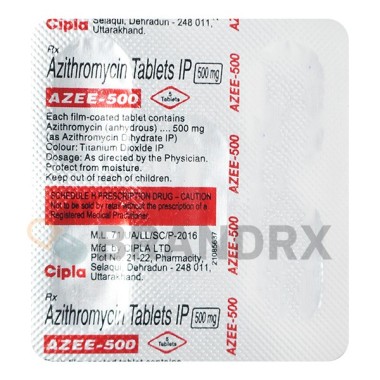
Azee 500 mg Cipla: Definition and General Purpose Azee 500 mg Cipla is an antibiotic medication prim..


15.00€
Azee DT 100 mg Cipla: Definition and General Purpose Azee DT 100 mg Cipla is a medication primarily ..

14.00€
Azeetop 1000 mg Healing Pharma: Overview and Functionality Azeetop 1000 mg Healing Pharma is a high-..

36.00€
Azeetop 250 mg Healing Pharma: Problem-Solving for Your Health Needs Azeetop 250 mg Healing Pharma i..

36.00€
Azeetop 500 mg Healing Pharma: An Overview and Purpose Azeetop 500 mg Healing Pharma is a pharmaceut..

20.00€
Azeetop DT 100 mg Healing Pharma: Defining Its Purpose Azeetop DT 100 mg Healing Pharma is a medic..


36.00€
Define Azicip 500 mg Cipla and explain its general purpose Azicip 500 mg Cipla is a pharmaceutical f..


20.00€
Define Azipro 250 mg Cipla and explain its general purpose Azipro 250 mg Cipla is an antibiotic medi..
Antibiotics: A Comprehensive Overview of Their Role and Importance
Antibiotics are a critical category of medications primarily designed to combat bacterial infections. They function by either killing bacteria or inhibiting their growth, thereby allowing the body's immune system to eliminate the pathogens. Broadly classified into several different classes, including penicillins, cephalosporins, macrolides, and tetracyclines, antibiotics play an essential role in modern medicine. They are essential for treating various infections ranging from minor ailments, like strep throat, to more severe conditions, such as pneumonia or sepsis. In addition to their application in human health, antibiotics are also utilized in veterinary medicine and certain agricultural practices.
As we continue to confront the challenges posed by bacterial resistance, the importance of understanding how antibiotics work and their appropriate usage cannot be overstated. The development of effective antibiotics has had a profound impact on public health, dramatically reducing the mortality rate associated with bacterial diseases. In this context, consumers, healthcare professionals, and researchers rely heavily on antibiotics to ensure effective treatment protocols for infections and to prevent the complications that can arise from untreated bacterial infections.
Typical Users and Contexts for Antibiotic Application
The primary users of antibiotics include healthcare practitioners, patients undergoing treatment for infections, and individuals in care facilities such as nursing homes and hospitals. Healthcare providers—doctors, pharmacists, and nurses—are pivotal in prescribing and administering these medications. Patients who present symptoms of bacterial infections typically require antibiotic treatment to prevent the escalation of their conditions.
Besides individual patients, antibiotics are also vital in healthcare settings, particularly for surgical patients and those with weakened immune systems. Hospitals often utilize antibiotics prophylactically to help prevent infections in surgical patients or to manage post-operative care. In addition, veterinary clinics use antibiotics for treating infections in animals and facilitating humane care. Some agricultural sectors may also apply antibiotics to livestock to promote growth and prevent disease, although this practice has raised concerns regarding antibiotic resistance.
Strengths and Distinguishing Characteristics of Antibiotics
Antibiotics offer distinct advantages when compared to other types of medications in the realm of infection treatment. Unlike antiviral medications, which target viruses, antibiotics are specifically designed to combat bacteria. This specificity allows for targeted treatment and often quicker recovery times, as antibiotics act directly on the pathogens responsible for disease.
One of the standout features of antibiotics is their ability to be categorized based on their mechanism of action or spectrum of activity. Some antibiotics are broad-spectrum, effective against a wide range of bacteria, while others are narrow-spectrum, targeting specific bacterial strains. This classification helps healthcare providers select the most appropriate medication based on the infection type.
Additionally, antibiotic treatment protocols can often be adjusted based on laboratory sensitivity testing. This capacity allows for more personalized treatment plans that enhance patient outcomes. However, the efficacy of antibiotics can be compromised by overuse and misuse, leading to antibiotic resistance, which presents a growing public health challenge.
Benefits of Antibiotics
Antibiotics come with a range of advantages that contribute to their critical role in healthcare. The following is a list of key benefits associated with antibiotic use:
- Effective Treatment: Antibiotics are effective in targeting and eliminating bacterial infections, often leading to significant recovery improvements.
- Reduced Morbidity and Mortality: The availability of antibiotics has significantly lowered death rates associated with bacterial diseases, enabling greater life expectancy.
- Enhanced Surgical Outcomes: Antibiotic prophylaxis has significantly improved the safety of surgical procedures, decreasing the risk of post-operative infections.
- Support in Chronic Disease Management: Patients with chronic illnesses often develop secondary bacterial infections, and antibiotics play a crucial role in managing these complications.
- Veterinary and Agricultural Applications: Beyond human health, antibiotics are vital in treating infections in animals, contributing to food safety and animal welfare.
Important Considerations Before Choosing Antibiotics
Before selecting products from the antibiotics category, it is essential to consider several critical factors, including potential contraindications. One of the primary considerations is the type of bacterial infection being treated, as not all antibiotics are effective against all bacterial strains. Healthcare providers often conduct culture and sensitivity tests to determine the most suitable antibiotic for a specific infection.
Patients should also be aware of their medical history, including any allergies to antibiotics, previous adverse reactions, or coexisting health conditions that may affect drug efficacy or safety. Additionally, potential interactions with other medications should be evaluated to prevent complications.
Another consideration is the importance of adhering to prescribed dosages and treatment durations. Irregular use of antibiotics can lead to antibiotic resistance, limiting treatment options for future infections. It is also vital to avoid self-medication and use antibiotics only when explicitly prescribed by a healthcare professional to ensure safe and effective treatment.
