
Erythropoietin
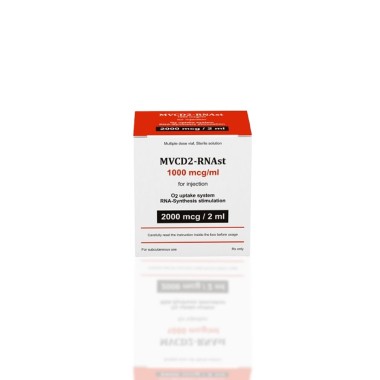
255.00€
MVCD2-RNAst 2000 mcg Omstal Pharma: An Overview MVCD2-RNAst 2000 mcg Omstal Pharma is a revolutiona..
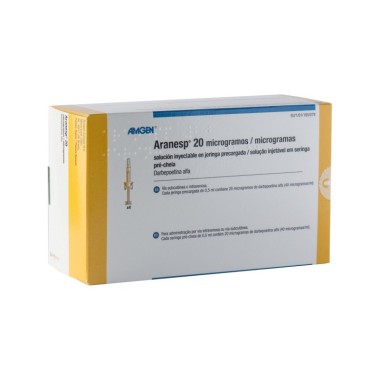
405.00€
Understanding Aranesp 20 mcg Amgen: Key Characteristics and Principles of Operation Aranesp 20 mcg A..
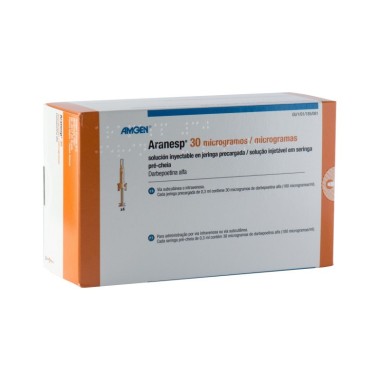
578.00€
What Defines Aranesp 30 mcg Amgen Aranesp 30 mcg Amgen is a synthetic form of erythropoietin, a horm..
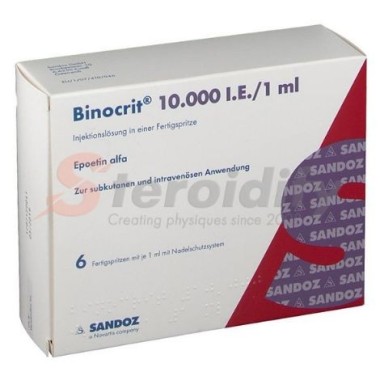
478.00€
Introducing Binocrit 10000IU Sandoz: A Key Solution for Anemia Management Binocrit 10000IU Sandoz ..
281.00€
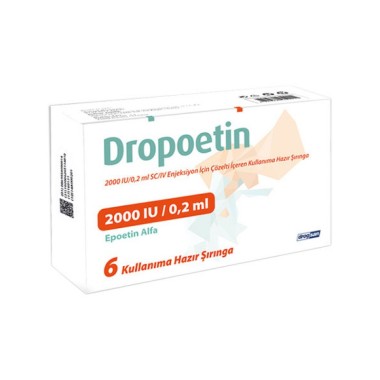
Understanding Dropoetin 2000IU DROGSAN Dropoetin 2000IU DROGSAN is a pharmaceutical product that con..
318.00€
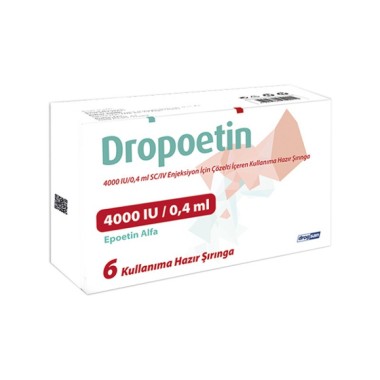
Understanding Dropoetin 4000IU DROGSAN: Principles and Characteristics Dropoetin 4000IU DROGSAN is..
132.00€
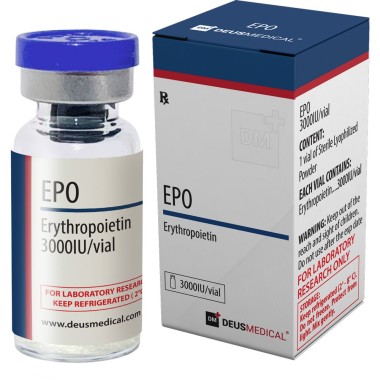
EPO (ERYTHROPOIETIN) HORMONE IN VIALS Deus Medical: Overview and Function EPO (Erythropoietin) is a ..
318.00€
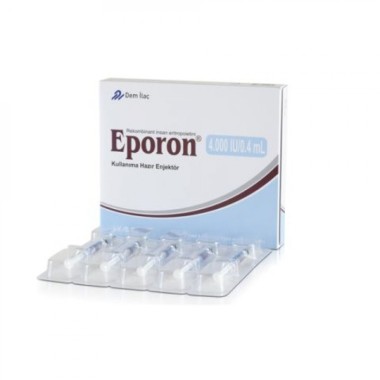
Eporon 4000 IU DEM ILAC: An Overview of Its Function and Benefits Eporon 4000 IU DEM ILAC is a pharm..
456.00€
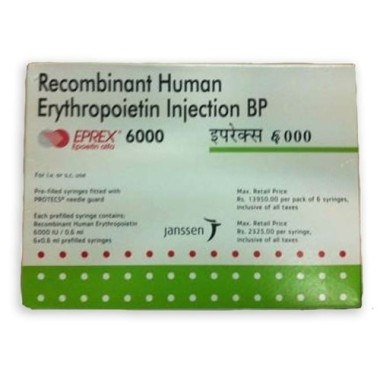
Eprex 0.3 Ml 6000 Iu Janssen-Cilag Overview Users of Eprex 0.3 Ml 6000 Iu Janssen-Cilag typically s..
420.00€
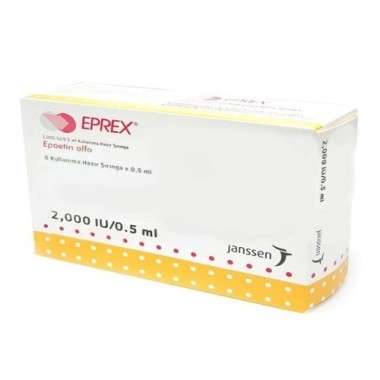
Eprex 0.5 Ml 2000 Iu Janssen-Cilag: Definition and Overview Eprex 0.5 Ml 2000 Iu Janssen-Cilag is a..
281.00€
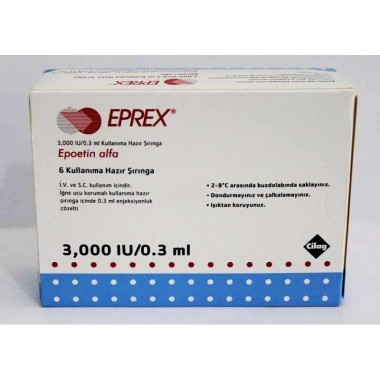
Eprex 3000IU Janssen-Cilag: An Overview Eprex 3000IU Janssen-Cilag is a biopharmaceutical product th..
264.00€
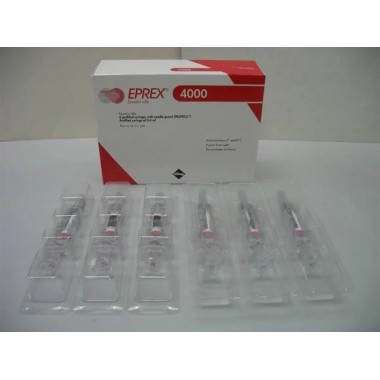
Eprex 4000IU Janssen-Cilag: Definition and Purpose Eprex 4000IU Janssen-Cilag is a medication that c..
Description of Erythropoietin and its Pharmacological Properties
Erythropoietin is a glycoprotein hormone primarily produced by the kidneys that plays a critical role in the regulation of red blood cell production, also known as erythropoiesis. It binds to erythropoietin receptors on the surface of erythroid progenitor cells in the bone marrow, stimulating their proliferation and differentiation into mature red blood cells. This process is essential for maintaining adequate oxygen levels in the bloodstream, which is necessary for overall cellular function and energy metabolism.
The pharmacological properties of Erythropoietin are grounded in its ability to enhance erythropoiesis, particularly in conditions characterized by anemia, such as chronic kidney disease, cancer, and certain inflammatory disorders. Erythropoietin products share core pharmacological characteristics, such as a similar mechanism of action, which involves mediating oxygen delivery through increased red blood cell counts. Furthermore, these products generally exhibit a consistent bioavailability and pharmacokinetic profile, allowing for subcutaneous or intravenous administration, making them versatile options for patients in need.
Another key feature uniting all products in the Erythropoietin category is their potential to improve the quality of life for individuals facing anemic conditions. Patients receiving Erythropoietin therapy often experience increased energy levels, reduced fatigue, and improved physical performance. Additionally, Erythropoietin administration can reduce the need for blood transfusions, further emphasizing its importance in clinical settings.
What to Consider When Using Products from This Category
When considering the use of Erythropoietin products, several important factors must be taken into account to ensure both effectiveness and safety. It is crucial to follow the dosage and administration guidelines provided by healthcare professionals to prevent complications. Furthermore, regular monitoring of hemoglobin levels is necessary to avoid excessive increases, which can lead to serious cardiovascular risks.
General precautions include ensuring that patients have no hypersensitivity to Erythropoietin or its formulations. Specific populations, such as individuals with uncontrolled hypertension or a history of thromboembolic events, should exercise caution when using these products. Additionally, previous treatments received, concurrent medications, and underlying medical conditions may influence the overall safety and efficacy of Erythropoietin therapy, making it essential for patients to discuss their complete health history with their healthcare providers.
Indications for the Use of Erythropoietin
Erythropoietin products are primarily indicated for the treatment of anemia due to chronic kidney disease, particularly in patients undergoing dialysis. They are also widely used among cancer patients, especially those receiving chemotherapy, as the treatment can worsen anemia. Furthermore, Erythropoietin is often considered in the context of surgical patients who may experience significant blood loss or are at risk of developing anemia post-operatively.
Patients may choose Erythropoietin therapy over other categories of treatments because of its relatively targeted mechanism of action, which directly stimulates red blood cell production, addressing the underlying cause of anemia. Moreover, the convenience of administration and the ability to personalize treatment protocols contribute to its popularity in clinical practice.
Risks and Recommendations for Safe Use
While the use of Erythropoietin is beneficial, potential risks must be acknowledged. These may include increased blood pressure, the risk of thromboembolic events, and the possibility of developing pure red cell aplasia in rare cases. Long-term considerations involve monitoring for these risks and ensuring that treatment remains both effective and safe. To maximize the potential benefits while minimizing risks, following specific guidelines and recommendations is critical.
- Consult with a healthcare professional before starting Erythropoietin to evaluate safety and necessity.
- Monitor hemoglobin levels frequently to adjust dosing and mitigate risks like hypertension.
- Be aware of contraindications, including hypersensitivity reactions and specific medical conditions that may preclude safe use.
- Engage in a thorough review of other medications taken to assess potential interactions.
- Consider the importance of lifestyle factors, such as diet and exercise, in conjunction with Erythropoietin therapy.
Certain populations, such as pregnant women, young children, and patients with specific blood disorders, may not be suitable candidates for Erythropoietin therapy. Therefore, it is vital to consult with a doctor or specialist prior to commencing treatment to develop a safe and effective therapeutic strategy.
Buy Erythropoietin in the USA from an Anabolic Store
Starting the use of Erythropoietin responsibly is crucial. Patients should discuss with their healthcare provider the appropriate starting doses and the frequency of administration based on their individual health status. It is also wise to establish a routine for monitoring responses to therapy, including scheduled follow-ups to assess hemoglobin levels and overall health outcomes.
Lastly, navigating the assortment of Erythropoietin products available requires awareness of different formulations and their intended uses. Familiarize yourself with the variations, such as biosimilars or different delivery methods, to make informed choices that align with treatment goals. By adhering to recommended guidelines and consulting medical professionals, patients can optimize the benefits of Erythropoietin therapy while minimizing potential risks.