
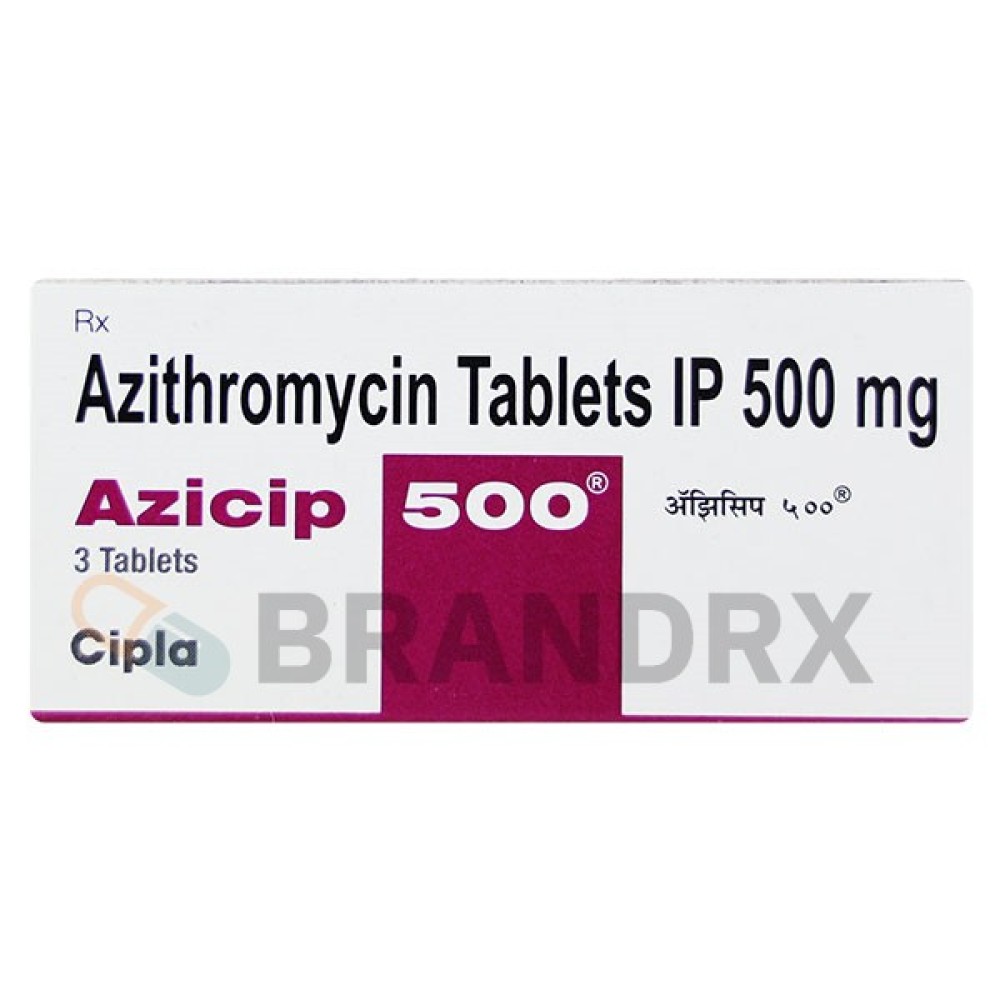
USA Azicip 500 mg Cipla
Define Azicip 500 mg Cipla and explain its general purpose
Azicip 500 mg Cipla is a pharmaceutical formulation containing azithromycin as its active ingredient. Azithromycin, a macrolide antibiotic, is predominantly utilized for its ability to combat a wide range of bacterial infections. Azicip 500 mg specifically targets various infections caused by susceptible bacteria, making it a versatile choice in clinical settings. The formulation is usually presented in a convenient oral dosage form, allowing for easy administration among patients.
One of the primary purposes of Azicip 500 mg Cipla is to treat infections such as respiratory tract infections, skin infections, and some sexually transmitted infections. This medication is particularly effective against organisms such as Streptococcus pneumoniae and Haemophilus influenzae, which are known to cause significant morbidity. The broad-spectrum nature of azithromycin allows it to be used in many contexts, from outpatient treatment of straightforward infections to more complex cases requiring an antibiotic with a favorable safety profile.
Describe how Azicip 500 mg Cipla fits into broader treatment strategies or usage approaches
Azicip 500 mg Cipla fits into a broader treatment strategy that emphasizes the importance of judicious antibiotic use. As bacterial resistance becomes an increasing concern in modern medicine, the choice of antibiotic therapy has become critical in preserving the efficacy of existing drugs. Azicip serves as a frontline treatment option due to its ability to treat infections while promoting quicker recovery rates among patients.
In treatment protocols, Azicip is often integrated within a comprehensive approach that includes proper diagnosis, consideration of patient history, and awareness of local resistance patterns. Health practitioners frequently recommend Azicip as a first-line therapy due to its favorable pharmacokinetic properties, which allow for extended tissue penetration and a longer duration of action. This can result in shorter treatment courses compared to other antibiotics, thereby increasing patient compliance and decreasing the likelihood of side effects.
Furthermore, Azicip 500 mg is often used in combination with other medications to enhance therapeutic outcomes. In cases of co-infections or when a patient is at risk for complications, healthcare providers may prescribe Azicip in conjunction with other agents. This synergistic approach optimizes treatment efficacy and minimizes the potential for treatment failure, ensuring that patients receive comprehensive care tailored to their specific needs.
Explain the advantages users typically expect from this preparation
- Broad-spectrum efficacy: Users can expect Azicip 500 mg Cipla to effectively target a wide array of pathogenic bacteria, making it suitable for various infections.
- Convenient dosing schedule: The oral formulation allows for easy administration, often requiring only a short course of treatment, which enhances patient adherence.
- Favorable safety profile: Azicip has been well-tolerated in many clinical trials, with fewer gastrointestinal side effects compared to some other antibiotics.
- Better tissue penetration: Users benefit from the antibiotic's ability to penetrate well into tissues, leading to quicker resolution of infections.
- Reduced risk of interactions: Azicip generally exhibits fewer drug-drug interactions, making it a safer choice for patients taking multiple medications.
Discuss risks, precautions, and contraindications for use of this preparation
While Azicip 500 mg Cipla provides numerous benefits, several risks and contraindications must be acknowledged to ensure safe use. One of the primary risks associated with azithromycin is the potential for developing antibiotic resistance if the medication is not used appropriately. Health professionals strongly advise against using Azicip for viral infections, as this misuse can contribute to resistance.
Precautionary measures should also be taken for patients with a history of liver disease, kidney impairment, or specific cardiac conditions, such as a prolonged QT interval. In such cases, healthcare providers may recommend closer monitoring or consideration of alternative antibiotics. Additionally, patients should disclose any other medications they are taking to their healthcare provider to avoid potential interactions.
Contraindications for Azicip include known hypersensitivity to azithromycin or any component of the formulation. In such cases, alternative treatments should be evaluated. It is crucial for users to consult healthcare professionals proactively and report any unusual symptoms or reactions while on the medication.
Conclude with guidance on how users should approach understanding and using Azicip 500 mg Cipla responsibly
Using Azicip 500 mg Cipla responsibly begins with understanding its purpose, benefits, and risks. Patients are encouraged to engage in open dialogue with healthcare providers to establish the appropriateness of Azicip for their specific conditions. Patients should also adhere strictly to prescribed dosages and treatment lengths to promote effective outcomes and reduce the risk of resistance.
Additionally, individuals should be aware that any changes in symptoms or the emergence of new symptoms during treatment warrant immediate consultation with a healthcare professional. Continued education about antibiotic stewardship and the importance of responsible antibiotic use will contribute to better health outcomes at both individual and community levels.
In conclusion, Azicip 500 mg Cipla remains a pivotal option for tackling bacterial infections across various patient populations. By acknowledging its benefits while being cognizant of risks and employing a collaborative approach with healthcare practitioners, users can make informed decisions, ensuring the safe and effective use of this important medication.
| Features | |
| Active substance | Azithromycin |
| Also known as | Zithromax |
| Blood pressure | No significant effects on blood pressure |
| Chemical name | (2R,3S,4R,5R,8R,10R,11R,12S,13S,14R)-13-[(2,6-dideoxy-3-C-methyl-3-O-methyl-О±-L-ribo-hexopyranosyl)oxy]-2-ethyl-3,4,10-trihydroxy-3,5,6,8,10,12,14-heptamethyl-11-[[3,4,6-trideoxy-3-(dimethylamino)-ОІ-D-xylo-hexopyranosyl]oxy]-1-oxa-6-azacyclopentadecan-15-one |
| Dosage (medical) | Typically 500 mg on the first day followed by 250 mg daily for 4 days or as directed by a physician |
| Dosage (sports) | Not applicable |
| Effects | Effective against a variety of bacterial infections, including respiratory infections, skin infections, ear infections, and sexually transmitted infections |
| Formula | C38H72N2O12 |
| Half-life | 68 hours |
| Hepatotoxicity | Rare, usually mild and reversible |
| Lab Test | No specific lab tests required for monitoring |
| Main action | Bacteriostatic (inhibits bacterial protein synthesis) |
| Side effects | Nausea, vomiting, diarrhea, abdominal pain, and rarely, allergic reactions |
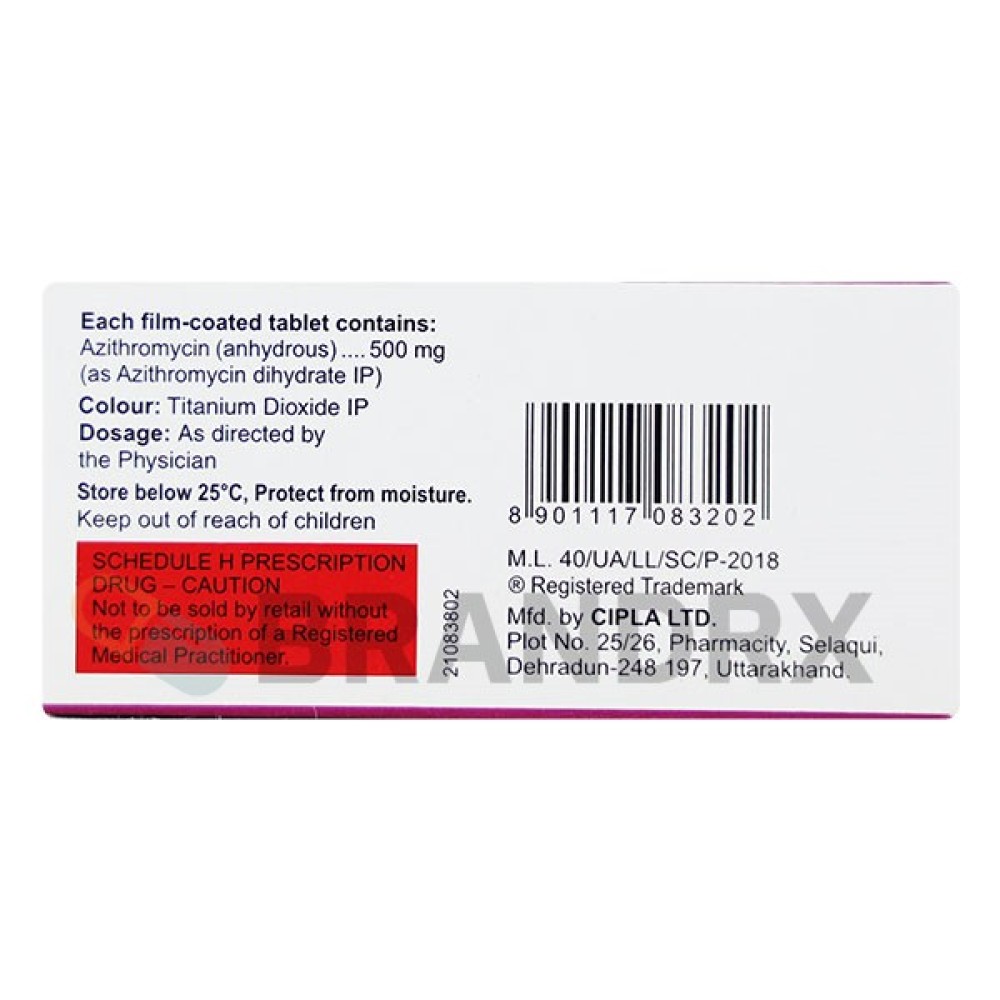
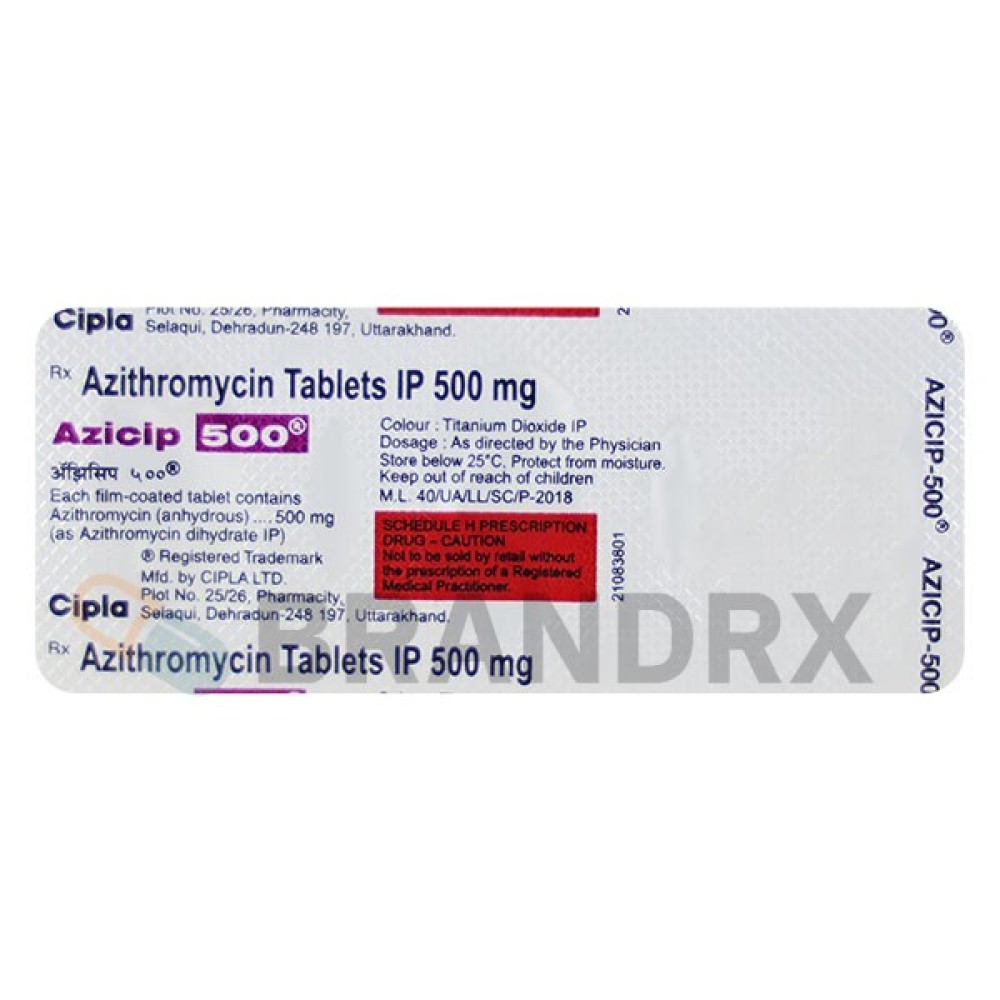
| Storage conditions | Store at room temperature away from moisture and heat |
| Strength | 500mg |
| Substance class | Macrolide antibiotic |
| Trade name | Zithromax, Azithrocin |
| Use in sports | Not typically used in sports |
| Water Retention | No significant effect on water retention |
| Manufacturer | Cipla Ltd. |
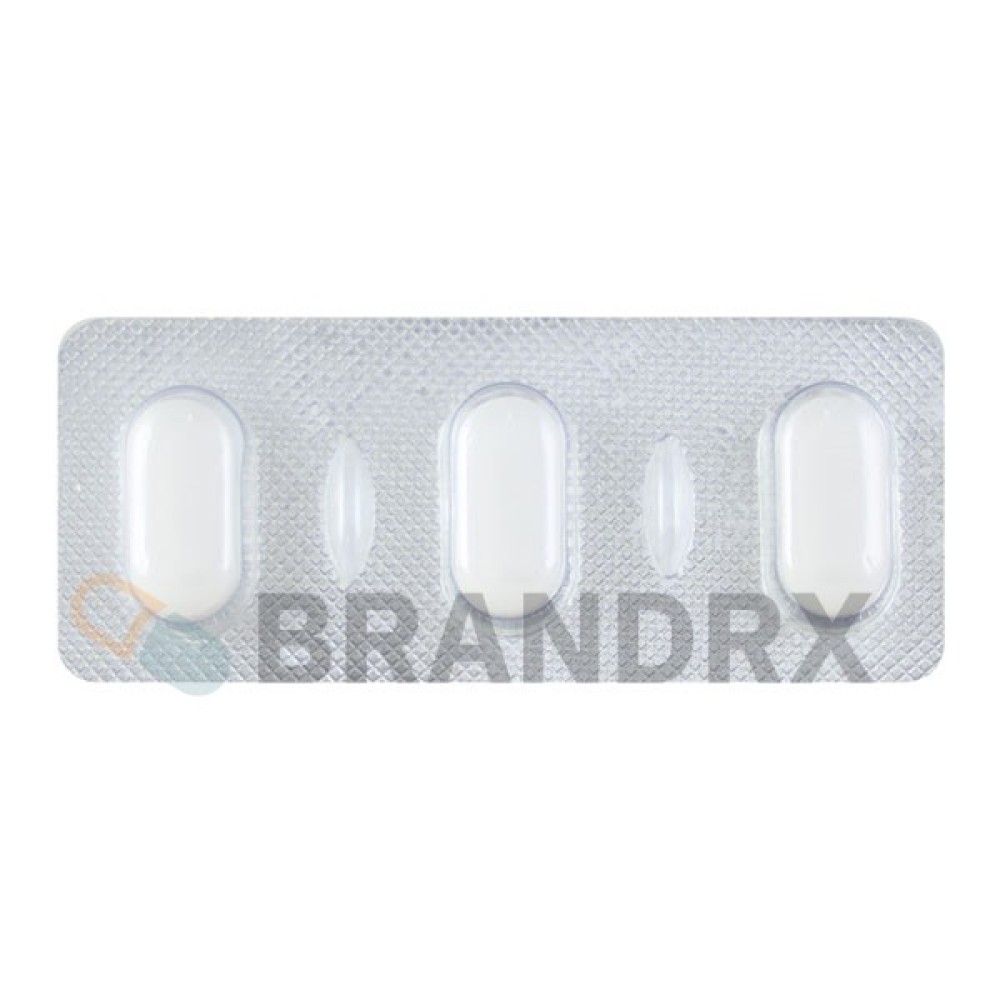
| Packing | 3 tabs/blister |