
Anti-inflammatory drugs
54.00€
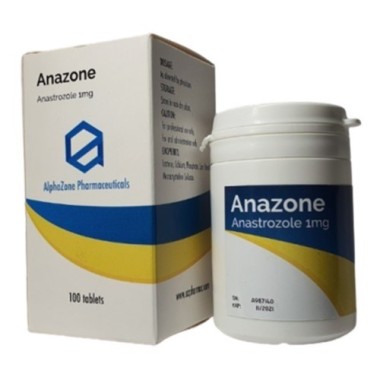
Key features of Anazone AlphaZone Pharmaceuticals and its advantages Anazone AlphaZone Pharmaceutica..
14.00€
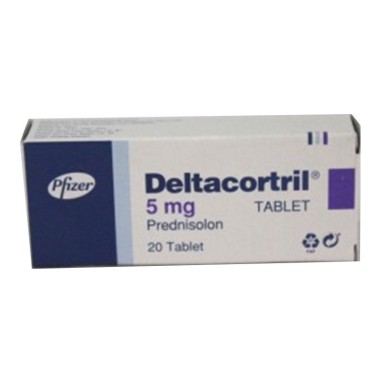
Define Deltacortril Pfizer and Explain Its General Purpose Deltacortril Pfizer is a corticosteroid m..
264.00€
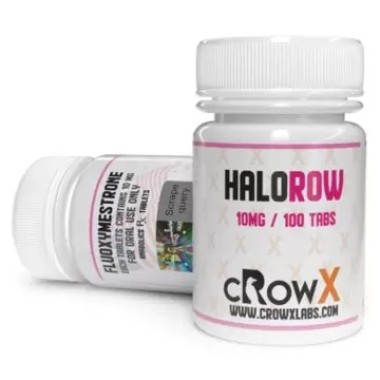
What is HALOROW cRowX Labs? HALOROW cRowX Labs is a cutting-edge supplement designed specifically ..
10.00€
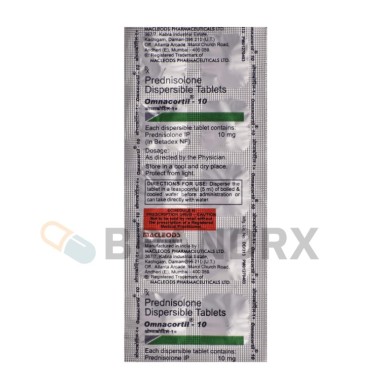
Buy Omnacortil 10 mg Macleods in the USA from an anabolic store For those looking to enhance their p..

14.00€
Buy Omnacortil 20 mg Macleods in the USA from an anabolic store For those seeking quality and effect..
20.00€
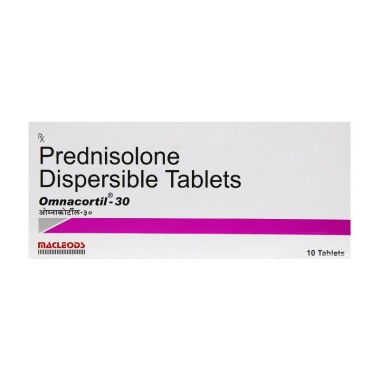
Key features of Omnacortil 30 mg Macleods and its advantages Omnacortil 30 mg Macleods is a highly ..

18.00€
Buy Omnacortil 40 mg Macleods in the USA from an anabolic store For athletes and bodybuilders seekin..
7.00€
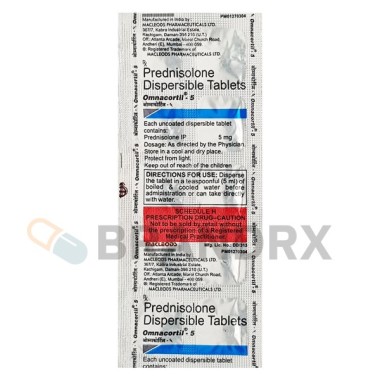
Buy Omnacortil 5 mg Macleods in the USA from an anabolic store For those seeking reliable and effect..


6.00€
Define Paracip 500 mg Cipla and Explain Its General Purpose Paracip 500 mg Cipla is a pharmaceutical..
27.00€
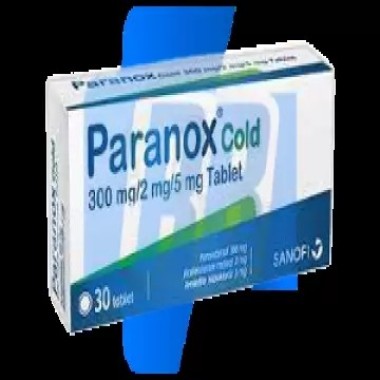
Introducing PARANOX COLD Sanofi: A Comprehensive Solution in Sports Pharmacology PARANOX COLD Sanofi..
63.00€
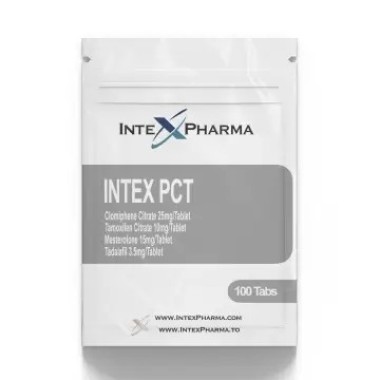
PCT INTEX PHARMA: Your Partner in Sports Pharmacology PCT INTEX PHARMA is a leading name in the fiel..

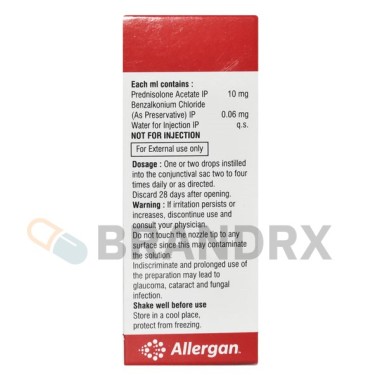
9.00€
Description of Pred Forte 1% Allergan and its main properties Pred Forte 1% Allergan is a powerful..

22.00€
TAMOL PLUS Sandoz: An Overview of Its Role in Sports Pharmacology TAMOL PLUS Sandoz is a performance..


7.00€
Characteristics of Wysolone 20 mg Pfizer and its key properties Wysolone 20 mg Pfizer is a pharmaceu..
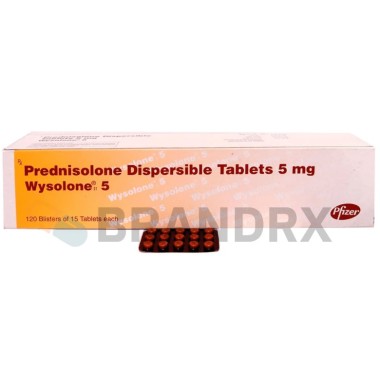
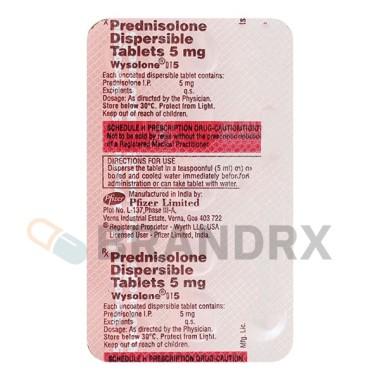
6.00€
Characteristics of Wysolone 5 mg Pfizer and its key properties Wysolone 5 mg Pfizer is a corticoster..
Understanding Anti-inflammatory Drugs
Anti-inflammatory drugs represent a significant category of medications designed primarily to reduce inflammation and alleviate pain. Inflammation is a natural response of the body to injury or infection, but when it becomes chronic, it can lead to a variety of health problems. Anti-inflammatory drugs work by inhibiting the processes that contribute to inflammation, offering relief from symptoms associated with conditions such as arthritis, asthma, and other inflammatory diseases. These medications can be categorized into several classes, including nonsteroidal anti-inflammatory drugs (NSAIDs), corticosteroids, and disease-modifying anti-rheumatic drugs (DMARDs), each serving its unique purpose in managing inflammation and pain.
Common Users and Contexts of Anti-inflammatory Drugs
The typical users of anti-inflammatory drugs range from individuals managing chronic conditions to those dealing with acute pain episodes. Patients with arthritis often rely on these medications to control joint pain and stiffness, while athletes and active individuals may use anti-inflammatory drugs to address injuries sustained during physical activities. Additionally, people undergoing surgery may be prescribed anti-inflammatory medications as part of their post-operative care regimen to manage swelling and pain. Healthcare professionals, including doctors and pharmacists, play a crucial role in recommending the appropriate anti-inflammatory drug based on the specific needs and medical history of the patient.
Distinguishing Characteristics of Anti-inflammatory Drugs
Anti-inflammatory drugs boast several strengths that differentiate them from related medication categories. Unlike opioids, which primarily act on the central nervous system to block pain, anti-inflammatory drugs directly target the inflammatory pathways in the body. This allows them to reduce inflammation at the source, providing not just pain relief but also addressing the underlying cause of discomfort. Furthermore, some anti-inflammatory drugs, such as NSAIDs, are available over the counter, making them accessible for everyday use in managing mild to moderate pain. Corticosteroids, on the other hand, may be prescribed for more severe conditions and provide powerful anti-inflammatory effects, albeit with the potential for more serious side effects when used long-term. This versatility and effectiveness make anti-inflammatory drugs a fundamental component of treatment protocols for various inflammatory conditions.
Key Advantages of Anti-inflammatory Drugs
Anti-inflammatory drugs offer a wide range of benefits that can greatly improve the quality of life for individuals suffering from inflammation-related issues. Here are some key advantages:
- Effective pain relief: Anti-inflammatory drugs are specifically designed to alleviate pain associated with inflammation, providing immediate relief for users.
- Reduction of swelling: By decreasing inflammation, these medications help reduce swelling in affected areas, promoting better mobility and comfort.
- Improvement in functionality: For those with chronic conditions like arthritis, anti-inflammatory drugs can enhance daily functioning and activity levels by managing pain and stiffness.
- Accessibility: Many anti-inflammatory options, particularly NSAIDs, are available over the counter, making them readily accessible to consumers without the need for a prescription.
- Broad applicability: These medications can be used to treat a variety of conditions ranging from acute injuries to chronic diseases, showcasing their versatility in managing health issues.
Considerations Before Choosing Anti-inflammatory Drugs
Before selecting anti-inflammatory drugs, it is crucial to consider several important aspects to ensure safety and effectiveness. First, individuals should evaluate any preexisting health conditions, such as gastrointestinal issues or kidney problems, as certain anti-inflammatory drugs may exacerbate these conditions. Consulting a healthcare provider before starting any new medication is essential to identify potential contraindications, such as allergies, previous adverse reactions, or interactions with other medications being taken. Additionally, it is important to understand the duration and dosage of anti-inflammatory use, as prolonged use can lead to side effects like gastrointestinal bleeding or increased cardiovascular risks. Balancing the benefits of pain relief against the potential risks is essential to making an informed decision about using anti-inflammatory drugs in one's treatment plan.