
Protein
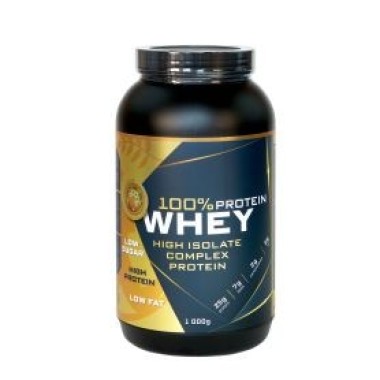
20.00€
Overview of MB Nutrition - 100% Whey 1000g MB Nutrition and its main properties MB Nutrition - 100% ..
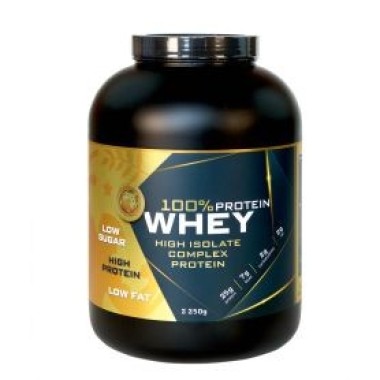
36.00€
Key features of MB Nutrition - 100% Whey 2250g MB Nutrition and its advantages MB Nutrition - 100% ..
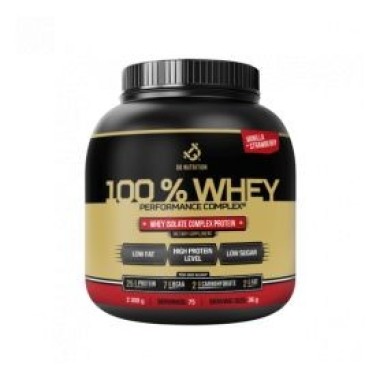
51.00€
What Defines DG Nutrition - 100% WHEY Performance Complex 2250g DG Nutrition DG Nutrition - 100% WHE..
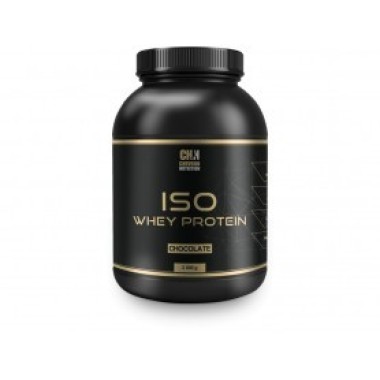
54.00€
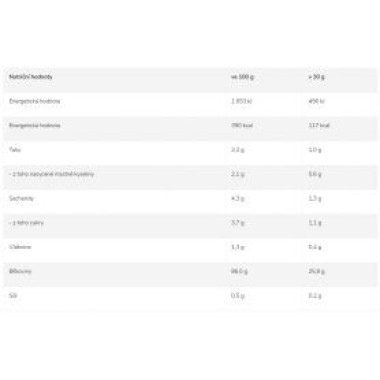
Unlocking Performance with Chevron Nutrition - Iso Whey Protein 2000 g In the demanding world of spo..
31.00€
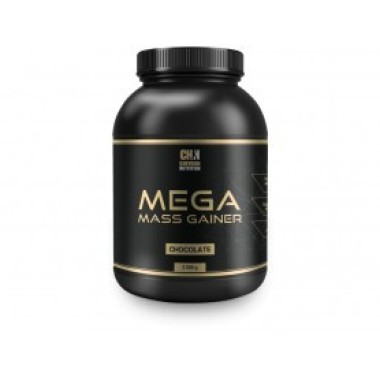
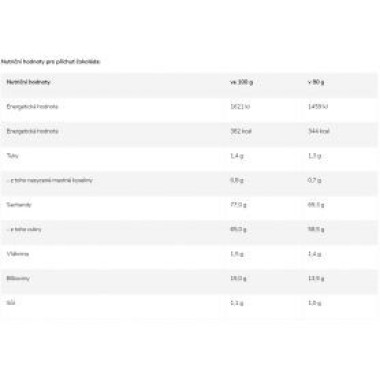
Elevate Your Performance with Chevron Nutrition - Mega Mass Gainer 2000 g In the world of athletic..
45.00€
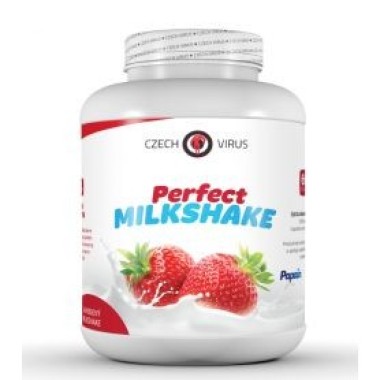
The realm of sports pharmacology encompasses a diverse array of products designed to enhance athleti..
36.00€
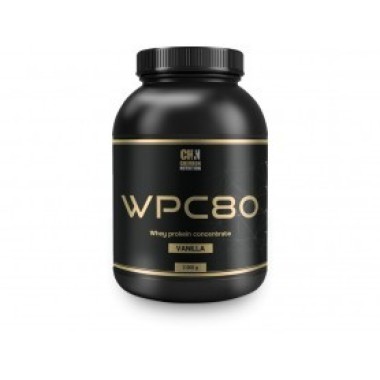
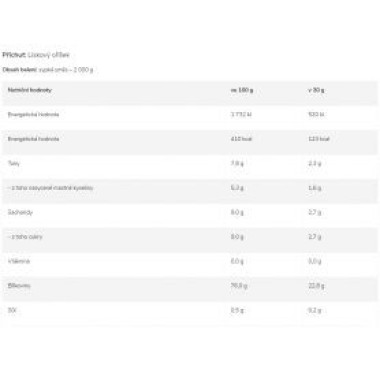
Discover the Power of Chevron Nutrition - WPC 80 2000 g In the world of sports nutrition, quality ..
89.00€
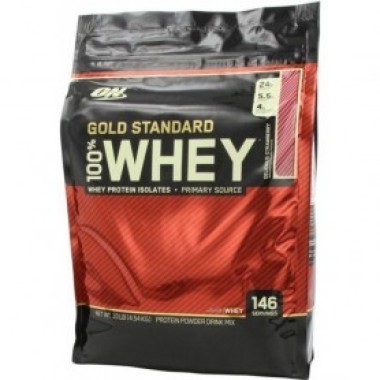
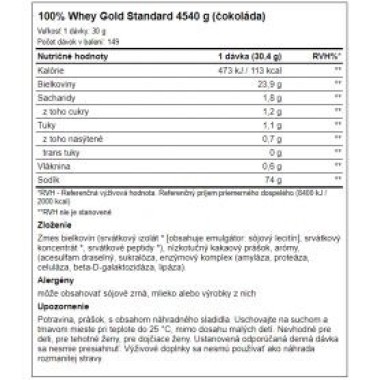
Key features of Optimum Nutrition 100 Whey Gold Standard 4540 g Optimum Nutrition and its advantages..
42.00€
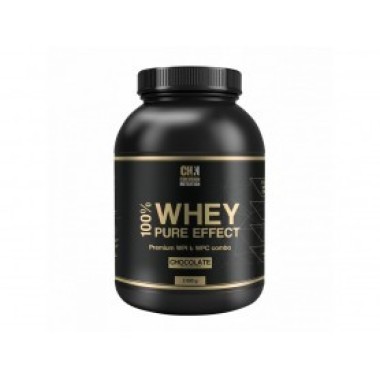
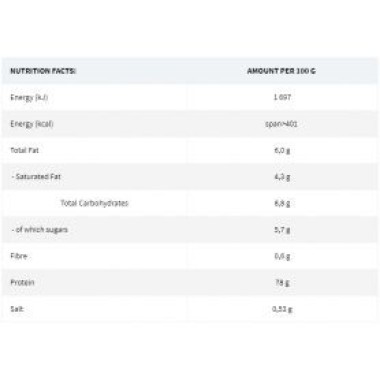
Overview of Chevron Nutrition 100% Whey Pure Effect Chevron Nutrition and its main properties Chevro..
54.00€
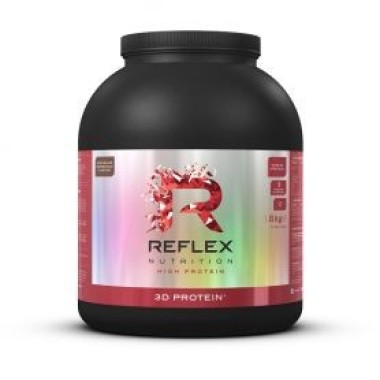
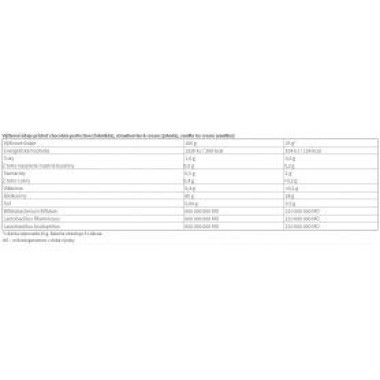
3D Protein Reflex Nutrition Reflex Nutrition: An Overview 3D Protein Reflex Nutrition Reflex Nutriti..
49.00€
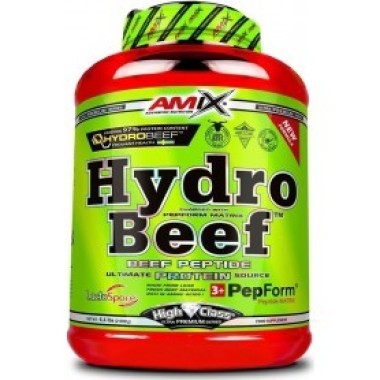
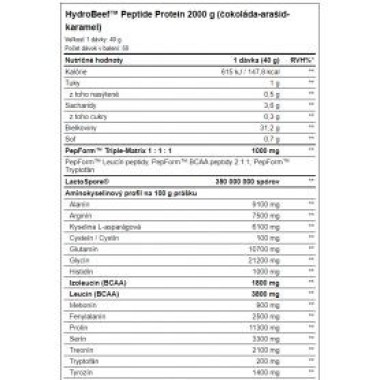
Properties of Amix - Hydro Beef 2000 g AMIX and its practical value Amix - Hydro Beef 2000 g AMIX is..
132.00€
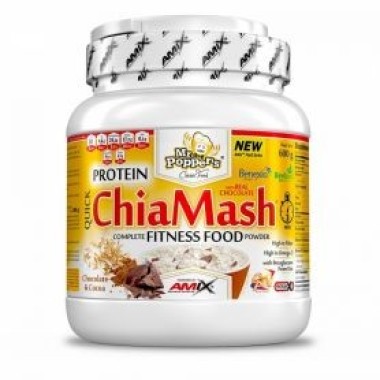
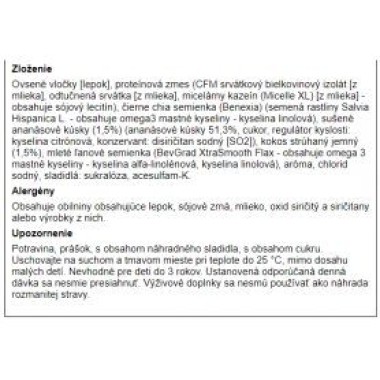
Description of Amix Mr Poppers Protein - ChiaMash 600 g AMIX and its main properties Amix Mr Poppe..
132.00€
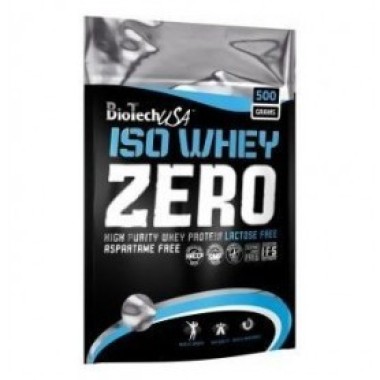
Characteristics of BioTech USA - Iso Whey Zero 500g Biotech Beijing Pharmaceuticals and its key prop..
71.00€
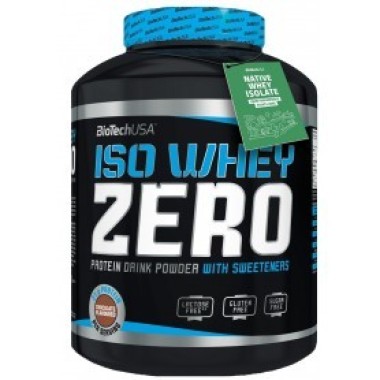
Characteristics of BioTech USA Iso Whey Zero 2270 g Biotech Beijing Pharmaceuticals and its key prop..
49.00€
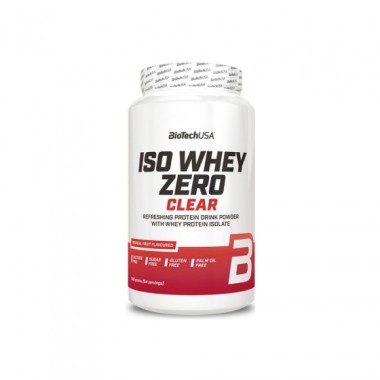
Biotech USA Iso Whey Zero Clear Biotech Beijing Pharmaceuticals: An Overview Biotech USA Iso Whey Ze..
Protein: Definition and General Purpose
Protein is a fundamental macronutrient that plays a crucial role in numerous bodily functions. As a product category, it encompasses a wide range of dietary supplements, food sources, and specialized protein products tailored to meet diverse nutritional needs. The primary purpose of protein is to provide the body with the necessary building blocks for tissue repair and growth, particularly for muscles, skin, enzymes, and hormones. This macronutrient is not only essential for bodily functions but also serves as a vital component for maintaining overall health and wellness.
In the marketplace, protein products are available in various forms, including powders, bars, shakes, and whole food sources like meat, dairy, legumes, and nuts. Each of these forms serves the purpose of enhancing protein intake for individuals seeking to improve their physical health, support muscle recovery, or manage weight effectively. Given the increasing emphasis on health and fitness, the protein product category has seen significant growth and diversification, catering to various dietary preferences such as veganism, vegetarianism, and specific metabolic needs.
Integration of Protein in Broader Ecosystems
Protein fits seamlessly into broader product ecosystems in the realms of nutrition and lifestyle management, serving as a pillar for various treatment strategies. For instance, athletes and fitness enthusiasts often incorporate protein supplements into their regimens to enhance performance and recovery. In this context, protein not only supports muscle repair but also complements other nutritional components like carbohydrates and fats, creating a holistic approach to diet and exercise.
In weight management and obesity treatment strategies, protein is recognized for its potential benefits in promoting satiety, thereby aiding in appetite control. High protein diets have been associated with weight loss due to their ability to enhance metabolic rate and preserve lean muscle mass during calorie restriction, making them a popular choice in weight management programs. Furthermore, in clinical settings, protein may be recommended for individuals undergoing recovery from surgery or those with specific chronic conditions, ensuring adequate nutrient supply to support healing and reduce muscle wasting.
Advantages Expected from Protein Products
When individuals consider incorporating protein into their diets or supplement routines, they typically anticipate several key advantages. The benefits of protein consumption can vary based on individual goals, but a few common expectations include:
Muscle Repair and Growth: Protein is essential for repairing and building muscle tissue, particularly after exercise, which can enhance athletic performance.
Weight Management: High protein diets can promote feelings of fullness, making it easier to control calorie intake and support weight loss efforts.
Metabolic Support: Protein has a thermogenic effect, meaning it requires more energy for digestion compared to fats and carbohydrates, potentially aiding in weight maintenance.
Improved Nutrient Absorption: Incorporating protein-rich foods can facilitate better absorption of essential vitamins and minerals, contributing to overall health.
Enhanced Immune Function: Amino acids derived from protein are vital for the synthesis of immune cells and antibodies, helping to strengthen the body's defense systems.
Risks, Precautions, and Contraindications
While the benefits of protein are significant, it is essential to acknowledge potential risks, precautions, and contraindications associated with its consumption. Overconsumption of protein, particularly from supplements, can lead to adverse effects such as kidney strain, dehydration, and nutrient imbalances. Individuals with pre-existing kidney conditions should approach protein supplementation with caution, ensuring they consult healthcare professionals before making any significant dietary changes.
Moreover, relying solely on protein supplements rather than whole food sources may result in missing out on other vital nutrients and dietary fibers. It is crucial for users to prioritize a balanced diet rich in fruits, vegetables, and whole grains alongside their protein intake. Lastly, those with allergies or intolerances, such as lactose or gluten sensitivity, should select protein sources carefully to avoid adverse reactions.
Guidance on Exploring the Protein Category Responsibly
As consumers look to explore the protein category, it is vital to approach the subject with a well-informed perspective. First and foremost, individuals should consider their personal health goals, dietary preferences, and any pre-existing conditions that might influence their protein needs. Consulting with a healthcare provider or a registered dietitian can provide personalized recommendations tailored to individual requirements.
When selecting protein products, users should prioritize quality over quantity. Reading labels to assess the source of protein—whether it be whey, casein, plant-based, or other forms—can help identify the most suitable option based on dietary restrictions and lifestyle choices. Researching brands and opting for products that have undergone third-party testing can offer additional confidence in the safety and efficacy of these items.
In conclusion, understanding and exploring the protein category is essential to harnessing its benefits while mitigating potential risks. By making informed choices and maintaining a balanced approach, individuals can effectively incorporate protein into their diets, leveraging its strengths to support their health and wellness objectives. Engaging in a comprehensive view of nutrition will facilitate a broader understanding of how protein fits within the entire dietary landscape.
