
Amoxicillin

34.00€
Aromaxyl Kalpa Pharmaceuticals: Your Ally in Sports Pharmacology Aromaxyl Kalpa Pharmaceuticals is a..
34.00€
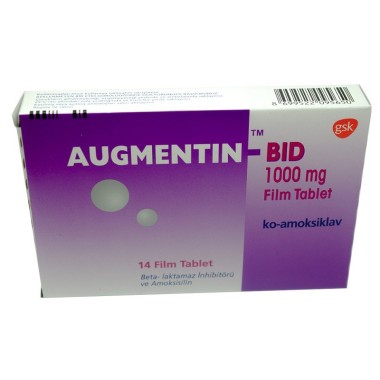
Define Augmentin 1000 Glaxosmithkline and Explain Its General Purpose Augmentin 1000 Glaxosmithkline..

54.00€
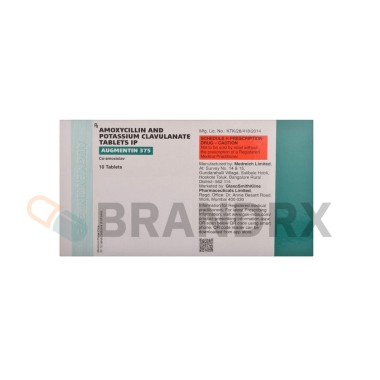
Augmentin 375 mg Glaxosmithkline - Overview and Main Functions Augmentin 375 mg Glaxosmithkline is a..

21.00€
Augmentin 625 Glaxosmithkline: An Overview Augmentin 625 Glaxosmithkline is a prescription medicatio..

12.00€
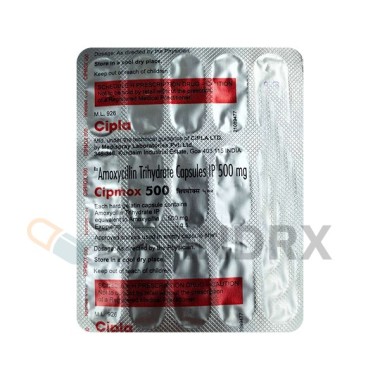
What Cipmox 500 mg Cipla is used for Cipmox 500 mg Cipla is a widely recognized pharmaceutical produ..
15.00€
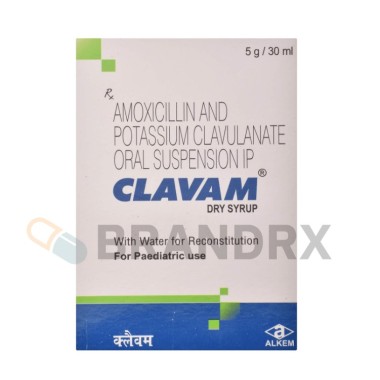
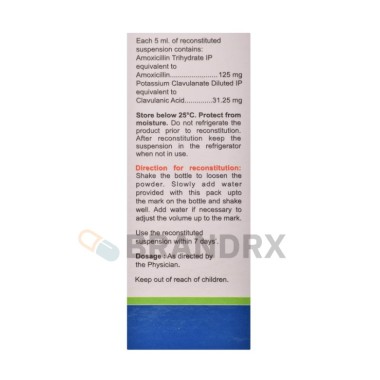
What Clavam Dry Syrup 125/31.25 mg Alkem Laboratories Ltd. is used for Clavam Dry Syrup 125/31.25 mg..
21.00€
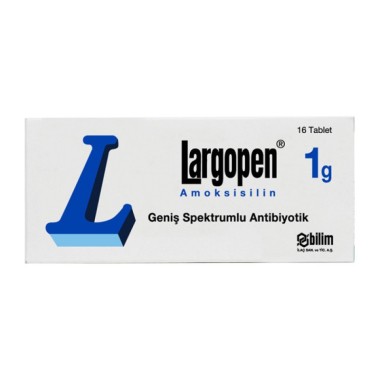
Define Largopen 1g Bilim and Explain Its General Purpose Largopen 1g Bilim is an antibiotic preparat..

14.00€
Largopen Bilim: Your Go-To Solution in Sports Pharmacology Largopen Bilim is an innovative pharmaceu..

36.00€
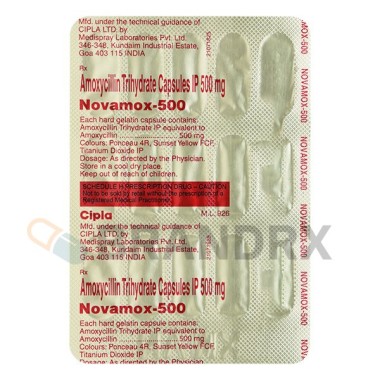
Define Novamox 500 mg Cipla and Explain Its General Purpose Novamox 500 mg Cipla is a generic form o..

12.00€
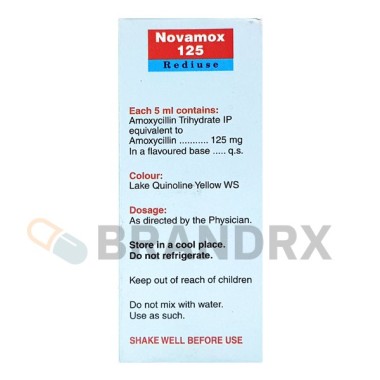
Buy Novamox Rediuse 125 mg/5 ml Cipla in the USA from an anabolic store For those looking to enhance..
64.00€
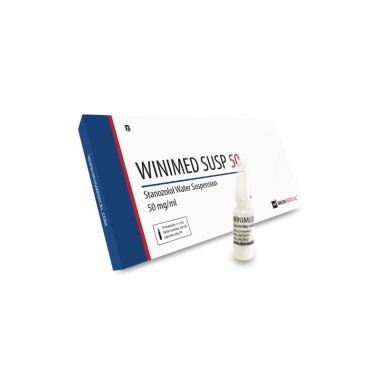
Buy Winimed Susp 50 Deus Medical in the USA from an anabolic store If you are looking to enhance you..
Amoxicillin: An Overview of the Antibiotic Category
Amoxicillin is a widely used antibiotic medication that belongs to the penicillin class of drugs. It is primarily utilized in the treatment of a variety of bacterial infections, including those affecting the ears, nose, throat, urinary tract, and skin. As a semi-synthetic derivative of penicillin, Amoxicillin works by inhibiting bacterial cell wall synthesis, ultimately leading to the destruction of the bacteria. This powerful action makes it effective against a broad spectrum of gram-positive and some gram-negative bacteria. Its effectiveness, relative safety, and ease of use contribute significantly to its status as one of the most commonly prescribed antibiotics in the United States.
Typical Users and Contexts of Use
The typical users of Amoxicillin include individuals diagnosed with bacterial infections, which can range from mild to moderate severity. Common contexts where this antibiotic is applied include outpatient settings such as doctor’s offices and urgent care clinics, where patients present with symptoms indicating potential bacterial infections. Pediatric patients often represent a significant portion of this category's user base, as Amoxicillin is frequently prescribed for conditions like otitis media (middle ear infections) and strep throat. Adults may also be prescribed Amoxicillin for conditions such as sinusitis and pneumonia. Furthermore, dentists may use Amoxicillin prophylactically in patients with certain heart conditions to prevent infections during dental procedures. The accessibility of Amoxicillin in pharmacies and its relatively straightforward administration, usually orally in the form of tablets or liquid suspensions, make it a convenient choice for patients and health care providers alike.
Strengths and Distinguishing Characteristics of Amoxicillin
Amoxicillin presents several strengths and distinguishing characteristics that set it apart from other antibiotics. Firstly, its broad-spectrum efficacy allows it to target a diverse range of bacterial pathogens. This versatility is particularly beneficial in empirical therapy, where a specific pathogen has not yet been identified. Secondly, Amoxicillin has a favorable safety profile, with fewer adverse effects compared to some newer antibiotics. This makes it a preferred choice, especially for pediatric and elderly patients who might be more sensitive to medication side effects. Additionally, Amoxicillin is often combined with clavulanic acid to form Amoxicillin-clavulanate, which enhances its activity against certain beta-lactamase producing bacteria. Moreover, it offers excellent oral bioavailability, meaning it is easily absorbed from the gastrointestinal tract, leading to effective blood levels with relatively low dosing frequency.
Key Benefits of Amoxicillin
The benefits of Amoxicillin are numerous, making it a vital tool in modern medicine. Some key advantages include:
- Broad-spectrum activity that covers a wide range of bacteria.
- Fewer side effects, making it a safer option for many patients.
- Easy administration in oral forms, including tablets and liquid suspensions.
- Quick onset of action, providing speedy relief from infection symptoms.
- Potential to be used in combination therapies, enhancing its effectiveness.
- Cost-effective treatment, widely available through various pharmacies.
These benefits contribute to its popularity among healthcare providers and patients for effective management of bacterial infections.
Considerations Before Choosing Amoxicillin
While Amoxicillin is a highly effective antibiotic, there are important considerations to reflect on before its use. Firstly, individuals with a known allergy to penicillin or cephalosporin antibiotics should avoid Amoxicillin due to the risk of severe allergic reactions. It is crucial to inform healthcare providers about any such allergies prior to initiation. Additionally, antibiotic resistance is an increasing concern; therefore, Amoxicillin should only be used for bacterial infections confirmed by a healthcare professional. Self-medication or use for viral infections, such as those caused by the common cold, is discouraged as it may contribute to antibiotic resistance. Pregnant or breastfeeding individuals should discuss the risks and benefits of Amoxicillin with their healthcare provider to ensure safety for both the mother and child. Lastly, patients experiencing side effects such as diarrhea, rash, or unusual behavior should seek medical advice promptly.