
Antiviral drugs


24.00€
Acivir Cream 5% Cipla: A Comprehensive Overview Acivir Cream 5% Cipla is an antiviral topical medica..

24.00€
Acivir DT 400 mg Cipla: Description and Pharmacological Properties Acivir DT 400 mg Cipla is a robus..

8.00€
Covimectin 12 mg Signature Pharmaceuticals Ltd. role in sports pharmacology Covimectin 12 mg Signatu..

36.00€
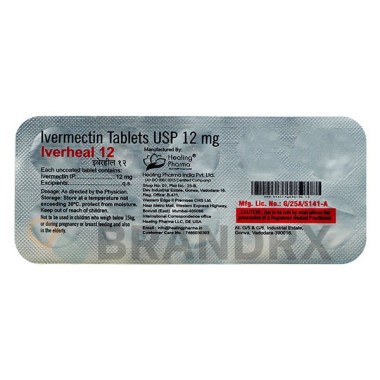
Understanding Iverheal 12 mg Healing Pharma and Its Benefits The need for effective treatments is ..

18.00€
Understanding User Goals with Iverheal 3 mg Healing Pharma In today's health-conscious society, many..

25.00€
Iverheal 6 mg Healing Pharma Overview When it comes to addressing certain health concerns, individu..

43.00€
Iverjohn 12 mg Healing Pharma Overview Understanding health and wellness can often be a challenging..

19.00€
Iverjohn 3 mg Johnlee Pharmaceuticals Overview When seeking effective solutions for certain health ..

28.00€
Iverjohn 6 mg Johnlee Pharmaceuticals: An Overview of its Purpose Iverjohn 6 mg Johnlee Pharmaceutic..


60.00€
Ivermectol 12 mg Sun Pharmaceuticals Industries Overview Ivermectol 12 mg Sun Pharmaceuticals Indus..

30.00€
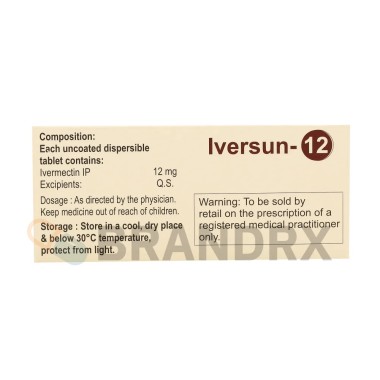
Understanding the Benefits of Iversun 12 mg Sunrise In today’s fast-paced world, people are increasi..


28.00€
Understanding the Benefits of Ivrea 12 mg Ajanta Pharma When considering treatment options, many in..


24.00€
Understanding Ivrea Cream 1% Ajanta Pharma In the quest for effective skincare solutions, users oft..

16.00€
Buy Neomec 10 mg Intas Pharmaceuticals in the USA from an anabolic store If you are looking to enhan..

25.00€
Zoviclovir 800 mg Healing Pharma: Understanding Its Mechanism and Benefits Zoviclovir 800 mg Healing..
Understanding Antiviral Drugs: A Comprehensive Overview
Antiviral drugs are a specialized category of medication designed to treat viral infections. Unlike antibiotics that target bacterial infections, antiviral agents specifically aim to inhibit the development and replication of viruses in the human body. This category includes a variety of drugs that are effective against well-known viral pathogens such as influenza, herpes simplex virus, and HIV, among others. The primary purpose of antiviral drugs is to either eliminate the virus from the body or significantly reduce its ability to multiply, thereby alleviating symptoms and shortening the duration of the illness. In addition to treatment, some antiviral medications can also play a preventive role, offering prophylaxis against potential viral infections, especially in high-risk populations.
Typical Users and Contexts for Antiviral Drugs
The typical users of antiviral drugs include patients of all ages who have been diagnosed with specific viral infections. Common recipients of these medications range from children suffering from viral respiratory infections to adults with chronic viral diseases like hepatitis or HIV. Healthcare providers often prescribe antiviral therapy in various contexts — outpatient settings for less severe infections, inpatient care for those with more serious conditions, and even as preventive measures post-exposure in certain high-risk groups. Additionally, antiviral drugs are used in specialized settings, such as hospitals during outbreaks of viral diseases, and in research settings aimed at developing new treatment protocols and understanding viral pathophysiology. Understanding who uses these medications and the contexts in which they are applied is crucial for proper management and effective treatment of viral infections.
Features and Strengths of Antiviral Drugs
One of the most significant strengths of antiviral drugs is their targeted mechanism of action, which allows for precise treatment of viral infections. Unlike other medications, these drugs work by specifically interfering with viral replication processes or by enhancing the host’s immune response to the virus. This specificity reduces the chance of harm to healthy cells, minimizing side effects compared to broader-spectrum treatments. Additionally, many antiviral drugs exhibit favorable pharmacokinetic properties, ensuring effective concentrations in the bloodstream and target tissues. Another distinguishing characteristic is the ongoing research and development in this field, which continually enhances existing therapies and introduces novel compounds that can tackle emerging viral strains. As healthcare evolves, antiviral drugs play an increasingly critical role in public health by curbing outbreaks and protecting vulnerable populations.
Benefits of Antiviral Drugs
The benefits of antiviral drugs are manifold, providing substantial value in the treatment and management of viral infections. Here are some key advantages:
- Effective Viral Suppression: Antiviral drugs help significantly reduce viral load, leading to better health outcomes for patients.
- Shortened Illness Duration: Timely administration of antiviral therapy often translates to a faster recovery from viral infections.
- Reduced Severity of Symptoms: Many antiviral agents are designed to alleviate the symptoms associated with viral infections, improving patient comfort.
- Preventive Use: Certain antiviral drugs can be used proactively to prevent infections in high-risk populations, particularly during outbreaks.
- Therapeutic Alternatives: The availability of various antiviral medications ensures that patients have multiple treatment options based on their specific needs and medical history.
Considerations Before Choosing Antiviral Drugs
Before opting for antiviral drugs, it is essential to consider various factors and contraindications. Key considerations include understanding potential allergic reactions and drug interactions with other medications the patient may be taking. Some antiviral medications are contraindicated in individuals with specific health conditions or those who are pregnant or breastfeeding. Dosage adjustments may be necessary for patients with liver or kidney dysfunction. Additionally, it is essential to adhere to the prescribed duration of therapy to prevent resistance, which can complicate treatment efficacy. Therefore, consultations with healthcare providers are crucial to ensure that antiviral therapy is appropriate, safe, and effective for the individual’s health status and medical history.

