
USA Azax 250 mg Ranbaxy
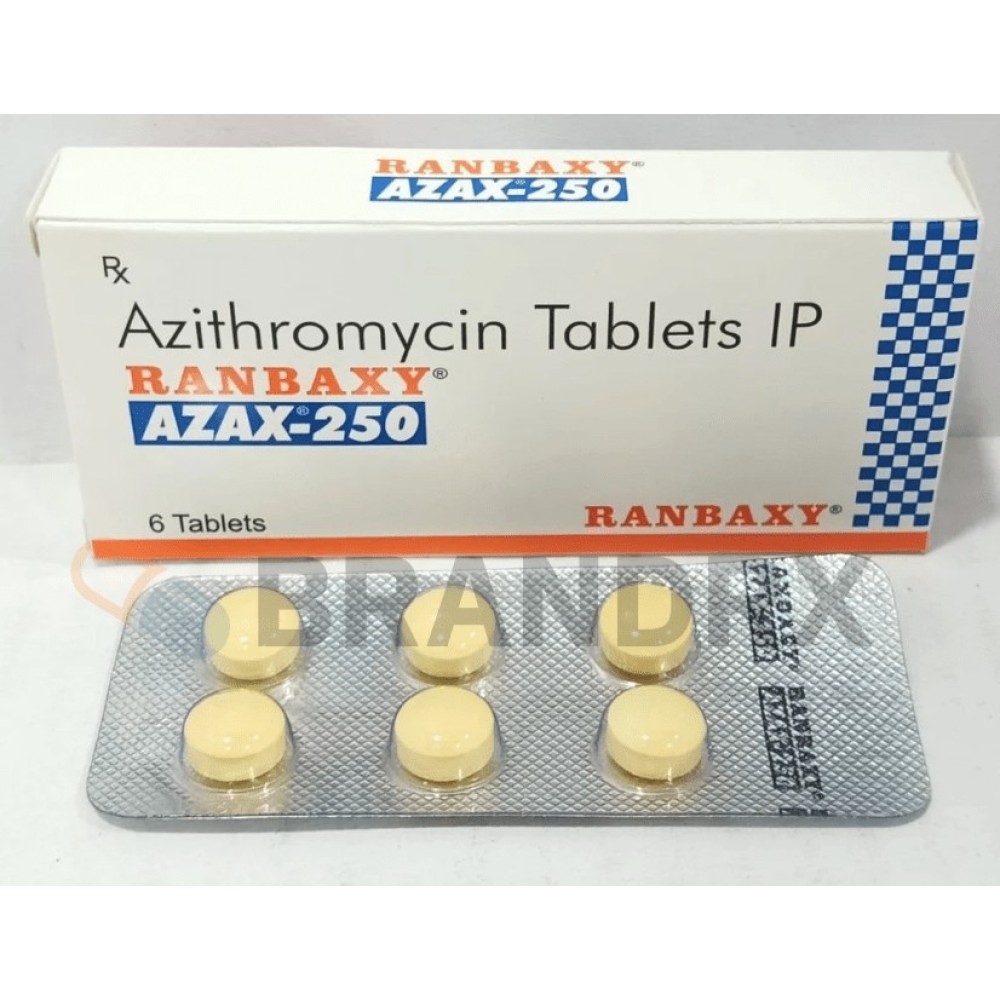

Define Azax 250 mg Ranbaxy and Explain Its General Purpose
Azax 250 mg Ranbaxy is a pharmaceutical preparation that contains the active ingredient Azithromycin, which belongs to a class of antibiotics known as macrolides. This medication is widely used to treat various bacterial infections, particularly those affecting the respiratory system, skin, and soft tissues. Azithromycin works by inhibiting bacterial protein synthesis, which ultimately leads to the elimination of the infection. As a branded product developed by Ranbaxy, Azax 250 mg is specifically formulated to enhance efficacy while minimizing potential side effects compared to other antibiotic treatments.
The general purpose of Azax 250 mg Ranbaxy is to combat infections caused by susceptible strains of bacteria. Common indications include respiratory infections such as pneumonia, ear infections, sinusitis, and some skin infections. Additionally, it is also used to treat sexually transmitted infections, including chlamydia and gonorrhea, making it a versatile option in the antibiotic arsenal. The extended half-life of Azithromycin allows for once-daily dosing, which can lead to better patient compliance and outcomes.
Describe How Azax 250 mg Ranbaxy Fits into Broader Treatment Strategies or Usage Approaches
Incorporating Azax 250 mg Ranbaxy into broader treatment strategies involves understanding its role in managing bacterial infections. First and foremost, healthcare professionals consider individual patient factors such as age, medical history, and other concurrent medications before prescribing this antibiotic. Given the rising concern surrounding antibiotic resistance, Azithromycin is often used strategically, focusing on its effectiveness against specific pathogens to preserve its efficacy over time.
Azax 250 mg is usually part of a multi-faceted treatment approach, often combined with supportive therapies. For instance, in cases of severe respiratory infections, it may be used alongside corticosteroids or other antibiotics to ensure comprehensive treatment. Furthermore, patient education plays a crucial role in its administration, as understanding the importance of completing the prescribed course can mitigate the risk of developing antibiotic-resistant bacteria. By integrating Azax 250 mg into these broader strategies, healthcare providers aim to achieve optimal clinical outcomes while adhering to guidelines for responsible antibiotic use.
Explain the Advantages Users Typically Expect from This Preparation
The use of Azax 250 mg Ranbaxy offers several advantages that contribute to its popularity among healthcare professionals and patients alike. Some of these key benefits include:
- Broad-spectrum efficacy: Azithromycin is effective against a wide range of Gram-positive and Gram-negative bacteria, making it suitable for various infections.
- Convenient dosing schedule: With a once-daily dosage regimen, Azax 250 mg promotes better adherence to treatment among patients.
- Rapid absorption: Azithromycin is quickly absorbed in the gastrointestinal tract, allowing for timely therapeutic action.
- Favorable safety profile: Generally, Azithromycin is well-tolerated, with fewer side effects compared to many other antibiotics.
- Potential anti-inflammatory effects: Azithromycin has been observed to possess anti-inflammatory properties, which can benefit patients with exacerbations of chronic conditions like asthma.
Discuss Risks, Precautions, and Contraindications for Use of This Preparation
While Azax 250 mg Ranbaxy provides significant benefits in treating bacterial infections, it is essential to acknowledge potential risks and precautions associated with its use. First, like all antibiotics, inappropriate use can contribute to antibiotic resistance, thus it should only be prescribed when necessary. Patients with a known allergy to Azithromycin or any other macrolide antibiotics should avoid its use to prevent serious allergic reactions.
Furthermore, Azithromycin may interact with certain medications, such as antacids containing aluminum or magnesium, which can reduce its absorption. Therefore, it is advisable to take Azax 250 mg on an empty stomach for improved efficacy. Caution is also warranted in individuals with liver or kidney impairment, as dosage adjustments may be necessary to avoid toxicity.
Lastly, pregnant or breastfeeding women should consult with their healthcare providers before using Azithromycin since potential risks to the fetus or nursing infant must be carefully weighed against the benefits of treatment.
Conclude with Guidance on How Users Should Approach Understanding and Using Azax 250 mg Ranbaxy Responsibly
Approaching the understanding and use of Azax 250 mg Ranbaxy requires a responsible and informed perspective. Patients should first engage in open discussions with their healthcare providers to ensure that this antibiotic aligns with their specific medical needs. It is crucial to follow the prescribed dosage and duration instructions carefully; completing the entire course is paramount regardless of symptom improvement, as this helps prevent recurrence and resistance development.
Individuals ought to remain vigilant about potential side effects and report any unusual or severe reactions to their healthcare provider promptly. Educating oneself about the role of antibiotics in treating infections can empower patients to make informed decisions regarding their health. Moreover, individuals should never share antibiotics with others or use leftover prescriptions, as each treatment should be tailored to the specific infection and patient.
In summary, Azax 250 mg Ranbaxy is a valuable tool in the fight against bacterial infections, but it must be used judiciously. Adopting a comprehensive understanding of its application, advantages, and risks not only enhances individual outcomes but also supports the broader goal of combating antibiotic resistance in healthcare.
| Features | |
| Active substance | Azithromycin |
| Also known as | Zithromax |
| Blood pressure | No significant effects on blood pressure |
| Chemical name | (2R,3S,4R,5R,8R,10R,11R,12S,13S,14R)-13-[(2,6-dideoxy-3-C-methyl-3-O-methyl-О±-L-ribo-hexopyranosyl)oxy]-2-ethyl-3,4,10-trihydroxy-3,5,6,8,10,12,14-heptamethyl-11-[[3,4,6-trideoxy-3-(dimethylamino)-ОІ-D-xylo-hexopyranosyl]oxy]-1-oxa-6-azacyclopentadecan-15-one |
| Dosage (medical) | Typically 500 mg on the first day followed by 250 mg daily for 4 days or as directed by a physician |
| Dosage (sports) | Not applicable |
| Effects | Effective against a variety of bacterial infections, including respiratory infections, skin infections, ear infections, and sexually transmitted infections |
| Formula | C38H72N2O12 |
| Half-life | 68 hours |
| Hepatotoxicity | Rare, usually mild and reversible |
| Lab Test | No specific lab tests required for monitoring |
| Main action | Bacteriostatic (inhibits bacterial protein synthesis) |
| Side effects | Nausea, vomiting, diarrhea, abdominal pain, and rarely, allergic reactions |
| Storage conditions | Store at room temperature away from moisture and heat |
| Strength | 250mg |
| Substance class | Macrolide antibiotic |
| Trade name | Zithromax, Azithrocin |
| Use in sports | Not typically used in sports |
| Water Retention | No significant effect on water retention |
| Manufacturer | Ranbaxy |
| Packing | 6 tabs/blister |