
Hair products
36.00€
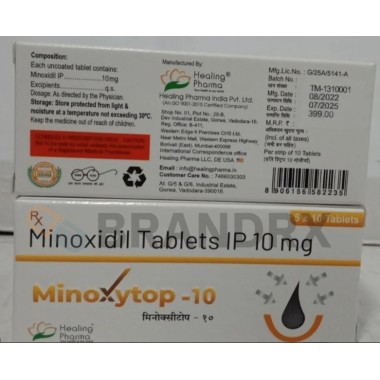
What is Minoxytop 10 mg Healing Pharma? Minoxytop 10 mg Healing Pharma is a specialized product de..
50.00€
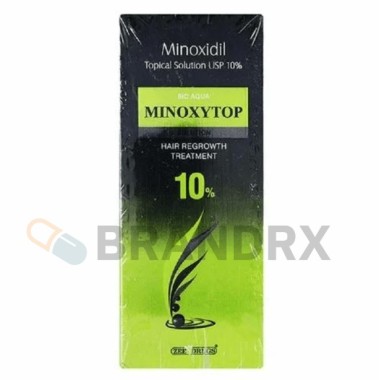
What is Minoxytop 10% Zee Drugs? Minoxytop 10% Zee Drugs is a topical solution primarily designed ..

28.00€
What is Minoxytop 5 mg Healing Pharma? Minoxytop 5 mg Healing Pharma is a specialized formulation of..
Understanding Hair Products: Key Characteristics and Principles
Hair products encompass a diverse range of items specifically formulated to enhance, treat, and style hair. These products are united by their core function: to improve the health and appearance of hair, catering to various needs such as cleansing, conditioning, and styling. Most products within this category share essential characteristics, including their ability to hydrate, nourish, and protect hair from environmental damage. Ingredients often found in these products may include moisturizers, proteins, vitamins, and botanical extracts that work in synergy to promote hair vitality.
An essential principle of hair products is their tailored formulation designed for different hair types and concerns—be it dry, oily, curly, or color-treated hair. Through thoughtful crafting, these products often aim to address specific issues, like frizz control, strengthening bonds, or adding volume. Furthermore, many hair products are evaluated through their performance metrics, such as ease of application, speed of results, and overall effectiveness, which play a vital role in consumer satisfaction and loyalty.
Types and Formats of Hair Products
The hair products category includes an extensive variety of types and formats, each catering to different hair care routines. Common products in this category are shampoos, conditioners, hair masks, serums, sprays, and styling creams. Shampoos tend to cleanse the hair of impurities, while conditioners are designed to restore moisture and improve manageability. Hair masks are intensive treatments that provide deep nourishment, often recommended for dry or damaged hair.
In addition to traditional liquid forms, some products also come in unique formats—such as foams, gels, or cream treatments. There are also specialized options such as scalp treatments that target specific issues like dandruff or oiliness. For styling, products like hairsprays, mousses, and curling creams enable users to achieve various looks while maintaining hair health. In essence, the multitude of options available within the hair products category allows consumers to curate a personalized regimen that meets their specific hair care needs.
Why Choose Hair Products Over Other Categories?
Hair products are distinct from other beauty categories such as skincare or body care due to their specialized focus on hair health and style. While skincare products emphasize facial and bodily care, hair products target the hair and scalp specifically, addressing a unique set of needs and concerns that differ significantly from the skin's requirements. Users should consider hair products to fortify their hair against damage and to express personal style, as they not only promote hair maintenance but also enhance aesthetic appeal. The importance of good hair care is underscored by its impact on self-esteem, making the right choice in products critical for achieving desired results.
Additionally, hair products frequently undergo refinement based on the latest research and innovations in hair science, adding to their effectiveness compared to generic products found in unrelated categories. The targeted benefits and advancements within hair products provide users with assurance that they are utilizing specialized formulations designed to foster healthier hair.
Long-Term Benefits and Considerations for Hair Products
The continuous use of hair products can yield significant long-term benefits including improved shine, reduced breakage, and better elasticity. Consistent application of nourishing shampoos and conditioners can lead to stronger, healthier hair over time, while specialized treatments can help restore vitality to previously compromised strands. However, potential users should be aware of contraindications; certain ingredients in hair products may not be suitable for everyone. For instance, individuals with sensitive skin or allergies to certain chemicals should conduct patch tests before use.
Additionally, pregnant women, minors, or individuals with specific medical conditions should consult with healthcare professionals before introducing new hair products into their routines. It is crucial that consumers gather information about each product's ingredients and effects to make informed choices that prioritize their health and well-being.
Choosing and Using Hair Products Effectively
When selecting hair products, it’s important for consumers to consider their specific hair type and needs. The process can begin with identifying whether they have straight, wavy, curly, or coily hair, as each type has unique characteristics that influence product efficacy. Furthermore, individuals should analyze their hair’s condition—whether it is damaged, oily, or color-treated—as this will guide them toward the most appropriate formulations.
Once products are selected, proper usage is equally essential for achieving desired outcomes. This usually entails familiarizing oneself with application techniques and guidelines provided on product labels. For instance, when using conditioners or hair masks, ensuring sufficient dwell time may enhance results. Additionally, balancing the use of styling products with restorative treatments can prevent damage while promoting style longevity. Ultimately, by making informed decisions and adhering to usage recommendations, consumers can maximize the benefits of hair products, ultimately achieving healthier, more vibrant hair.