
Antibacterial drugs

63.00€
Cypilos 250 mg Driada Medical: Addressing Specific Needs and Problems Cypilos 250 mg Driada Medical ..

69.00€
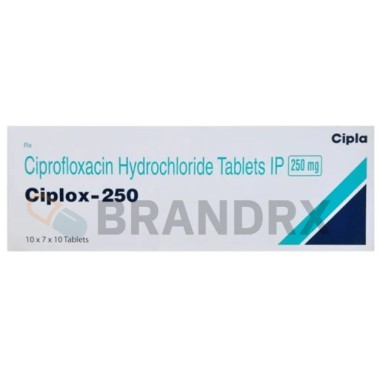
What Ciplox 250 mg Cipla is used for Ciplox 250 mg Cipla is a pharmaceutical product designed primar..

69.00€
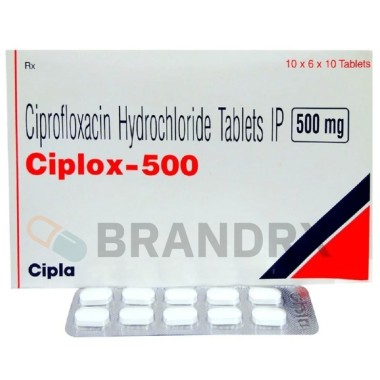
What Ciplox 500 mg Cipla is used for Ciplox 500 mg Cipla is a powerful antibiotic medication primari..


69.00€
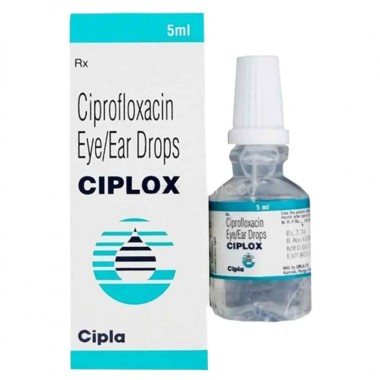
Ciplox Eye/Ear Drops 0.3% Cipla: An Overview Ciplox Eye/Ear Drops 0.3% Cipla is a pharmaceutical sol..
132.00€
Properties of Ciplox Eye/Ear Drops Cipla and its practical value Ciplox Eye/Ear Drops Cipla is a spe..

69.00€
Cipronatin 500 ATABAY: Addressing Key Health Needs and Concerns Cipronatin 500 ATABAY is a pharmaceu..
69.00€
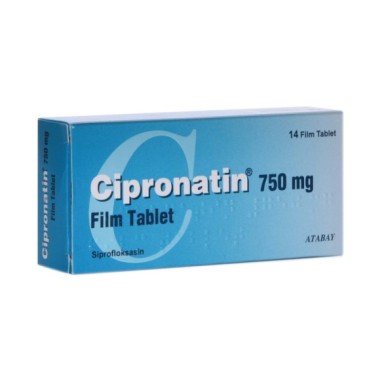
Cipronatin 750 ATABAY: Addressing Your Healthcare Needs Cipronatin 750 ATABAY is specifically design..

69.00€
CYPILOS AMP Driada Medical: A Comprehensive Overview in Sports Pharmacology CYPILOS AMP Driada Medic..

69.00€
ENFEXIA 500 mg Bilim: A Comprehensive Overview ENFEXIA 500 mg Bilim is a potent medication crafted f..
69.00€
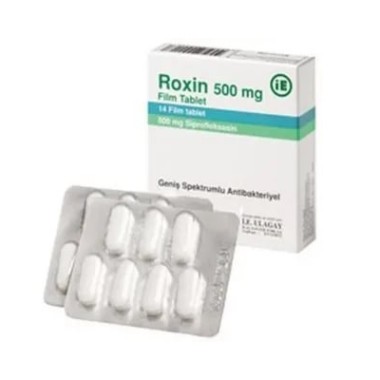
Key features of Roxin 500 Ibrahim Etem and its advantages Roxin 500 Ibrahim Etem is a potent anabol..
69.00€
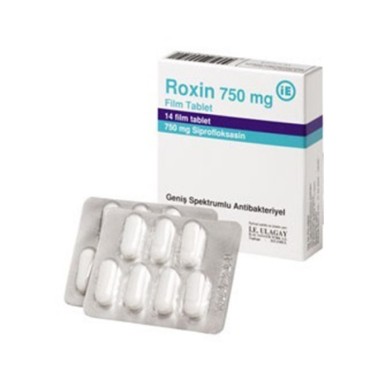
Roxin 750 Ibrahim Etem is an advanced sports supplement specially formulated for athletes seeking to..
Antibacterial drugs: A Comprehensive Overview
Antibacterial drugs are critical medications designed to combat bacterial infections by inhibiting the growth or destroying bacteria. This category encompasses a wide range of pharmaceuticals used to treat various infections caused by susceptible microorganisms, including those affecting the respiratory, urinary, gastrointestinal, and skin systems. The main purpose of antibacterial drugs is to alleviate symptoms, promote recovery from infections, and prevent the spread of diseases caused by pathogenic bacteria. These medications play an essential role in modern medicine, serving as a cornerstone of treatment protocols in both outpatient and inpatient settings.
User Contexts and Applications
Typical users of antibacterial drugs include individuals of all ages suffering from bacterial infections, healthcare professionals administering treatments, and caregivers managing the health of patients with underlying conditions. In clinical settings, doctors prescribe these drugs to treat common bacterial infections such as pneumonia, strep throat, and urinary tract infections. Additionally, surgery patients often receive antibacterial prophylaxis to prevent postoperative infections. Beyond the hospital, individuals may use over-the-counter antibacterial preparations for superficial skin infections and minor injuries. Moreover, in veterinary medicine, antibacterial drugs are utilized to treat a diverse array of infections in animals, further highlighting their broad application and importance in health management.
Strengths of Antibacterial Drugs
Antibacterial drugs possess several strengths that distinguish them from other categories of medication, such as antifungal and antiviral agents. One notable characteristic is their ability to target specific bacterial pathogens while generally leaving human cells unharmed. This selective toxicity allows for the effective treatment of infections with minimal adverse effects for the patient. In addition, antibacterial drugs are available in various forms, including oral tablets, intravenous solutions, and topical preparations, providing flexibility in administration tailored to the patient's needs. Furthermore, the rapid action of many antibacterial agents can lead to a swift alleviation of symptoms, offering immediate relief and fostering patient well-being. Overall, these characteristics enhance their efficacy in managing bacterial infections, underlining their vital role in healthcare.
Benefits of Antibacterial Drugs
The utilization of antibacterial drugs brings numerous benefits to individuals and healthcare systems alike. Below is a list of key advantages:
- Effective Treatment: Antibacterial drugs are specifically formulated to target and eliminate bacteria, making them highly effective in treating infections.
- Rapid Symptom Relief: Many antibacterial drugs work quickly, providing fast relief from symptoms associated with bacterial infections.
- Diverse Forms: The availability of various forms—such as pills, injectables, and topical creams—allows for tailored treatment options suitable for different conditions.
- Prevention of Complications: By effectively treating infections, these drugs can help prevent the progression of disease and potential complications that may arise from untreated bacterial infections.
- Versatile Applications: Antibacterial drugs can be used across various medical fields, from surgery to outpatient care, highlighting their broad relevance in healthcare.
Considerations Before Choosing Antibacterial Drugs
While antibacterial drugs offer significant benefits, it is crucial for healthcare providers and patients to consider certain factors before use. One of the primary considerations is the potential for antibiotic resistance, which can occur when these drugs are overprescribed or misused, leading to limitations in treatment options for serious infections. It is essential to use antibacterial drugs only when indicated and to complete the entire course as prescribed to minimize resistance development. Additionally, contraindications such as allergies to specific antibiotics or pre-existing medical conditions should always be discussed with healthcare professionals. Consultation is vital to ensure the selected antibacterial agent aligns with the patient's health status and specific infection type. Understanding these considerations can aid in making informed decisions regarding the use of antibacterial drugs, optimizing their effectiveness while minimizing risks.