
Anesthetic drugs

28.00€
What Climax Spray 10% Midas-Care is used for Climax Spray 10% Midas-Care is a specialized topical so..
217.00€
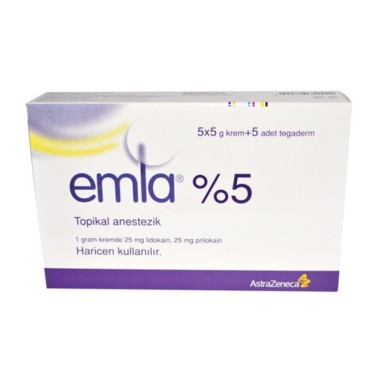
Overview of Emla Cream 5% AstraZeneca and its main properties Emla Cream 5% AstraZeneca is a topica..

46.00€
What is Lidocaine Dosfarm? Lidocaine Dosfarm is a pharmaceutical product that belongs to the class..

12.00€
What is Lox Jelly 2% Neon Laboratories Ltd.? Lox Jelly 2% is a topical preparation manufactured by N..
72.00€
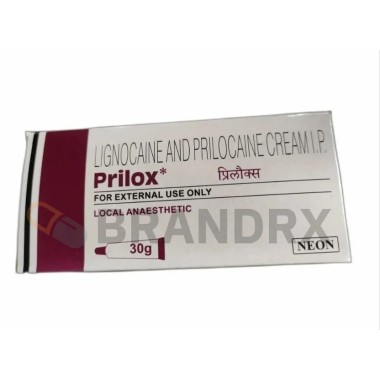
General overview of Prilox Cream 25/25 mg Neon Laboratories Ltd. Prilox Cream 25/25 mg by Neon Lab..

24.00€
What is Stud 5000 Spray 10% Universal Life Sciences? Stud 5000 Spray 10% Universal Life Sciences is..

16.00€
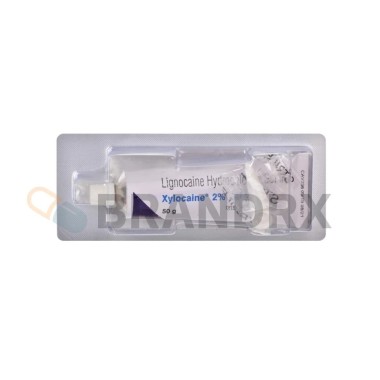
Characteristics of Xylocaine Jelly 2% Zydus Healthcare Ltd. and its key properties Xylocaine Jelly 2..

12.00€
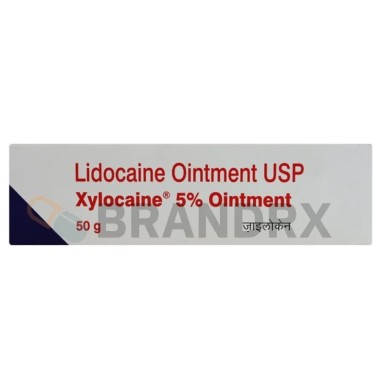
Characteristics of Xylocaine Ointment 5% Zydus Healthcare Ltd. and its key properties Xylocaine Oint..
Anesthetic drugs: Understanding Their Role in Modern Medicine
Anesthetic drugs represent a vital category in the field of medicine, specifically designed to induce a state of controlled unconsciousness or pain relief during surgical and medical procedures. Their primary purpose is to ensure patient comfort and safety, allowing healthcare providers to perform complex interventions with minimal distress to the patient.
These drugs work by blocking the transmission of nerve signals, either locally to specific areas or systemically throughout the body. As a result, they enable patients to undergo procedures that would otherwise be intolerable due to pain or anxiety. Whether used in surgical operations, diagnostic procedures, or labor, anesthetic drugs are an essential component of modern healthcare, promoting the efficiency and effectiveness of medical treatments.
Typical Users and Contexts for Anesthetic Drugs
The primary users of anesthetic drugs include medical professionals such as anesthesiologists, surgeons, and dentists. These practitioners rely on the precise administration of anesthetics to ensure patients remain comfortable throughout various medical procedures. Clinical settings where anesthetic drugs are commonly applied include hospitals, outpatient surgical centers, and dental offices, where various forms of anesthesia may be utilized based on the specific requirements of the procedure and the patient's condition.
Patients ranging from adults to children undergoing surgeries or invasive procedures rely on anesthetic drugs to minimize pain and anxiety. Additionally, individuals requiring dental work, endoscopic examinations, or other outpatient procedures also benefit from these medications. In each context, the choice of anesthetic drugs is made based on factors such as the type of procedure, patient health status, and anticipated postoperative care.
The Strengths of Anesthetic Drugs
Anesthetic drugs stand out for several reasons, differentiating them from other categories of medications. One distinguishing feature is their ability to provide targeted effects based on the procedure. Anesthetic agents can be categorized into general, regional, and local anesthesia, each with its unique application tailored to the needs of the patient and the requirements of the intervention.
General anesthesia induces a state of unconsciousness, enabling major surgeries where patients are entirely unaware during the procedure. Regional anesthesia, on the other hand, targets specific areas of the body, effectively numbing them while allowing the patient to remain awake and aware. Local anesthesia is often used for minor procedures, providing immediate pain relief to a localized area.
This versatility and adaptability make anesthetic drugs invaluable in ensuring surgical precision while enhancing patient safety and comfort. Their pharmacological profiles are designed to minimize risks, thereby contributing to positive surgical outcomes.
Benefits of Anesthetic Drugs
Understanding the advantages of anesthetic drugs is crucial for both medical professionals and patients. Here are some key benefits associated with their use:
- Effective Pain Management: Anesthetic drugs effectively alleviate pain during surgical and medical procedures, ensuring patient comfort.
- Reduced Anxiety: By inducing sedation or unconsciousness, anesthetic medications help minimize anxiety associated with medical interventions.
- Improved Safety: The controlled use of anesthetics contributes to safer surgical practices, allowing healthcare providers to focus on the procedure without patient movement or discomfort.
- Wide Range of Applications: Anesthetic drugs can be tailored for various procedures, from minor surgeries to major operations, making them versatile tools in medicine.
- Quick Recovery Options: Many modern anesthetic agents allow for rapid recovery, helping patients return to their normal activities sooner after procedures.
Important Considerations Before Choosing Anesthetic Drugs
Before opting for any anesthetic drugs, it is essential to consider several factors to ensure safety and effectiveness. Consultation with a healthcare professional is crucial to evaluate individual patient health status, potential allergies, and other critical health conditions.
Contraindications can include specific medical histories or current health issues, such as cardiovascular problems or respiratory conditions, which may complicate the use of certain anesthetics. Additionally, informed consent is vital, as patients should be made aware of the potential risks, benefits, and alternatives associated with the chosen anesthetic agent. This comprehensive approach allows for better patient-centered care and contributes to successful surgical outcomes.