
Adalimumab

49.00€
Properties of Cymbalta 30 Eli Lilly and its Practical Value Cymbalta 30 Eli Lilly, generically known..

97.00€
Overview of Cymbalta 60 Eli Lilly and its main properties Cymbalta 60 Eli Lilly, known generically a..
26.00€
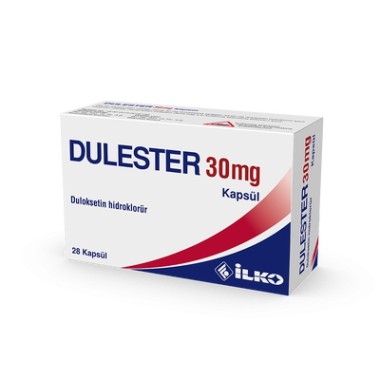
Dulester 30 ILKO: An Overview of Its Purpose and Uses Dulester 30 ILKO is a pharmaceutical product k..
34.00€
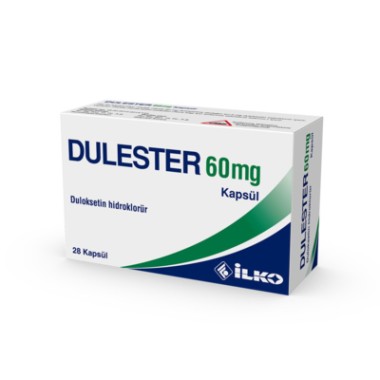
Dulester 60 ILKO: Understanding Its Core Features and Operational Principles Dulester 60 ILKO is a v..


36.00€
Description of Duzela 20 mg Sun Pharmaceuticals Industries and its main properties Duzela 20 mg, p..


54.00€
Duzela 60 mg Sun Pharmaceuticals Industries: Overview and Purpose Duzela 60 mg Sun Pharmaceuticals I..
132.00€
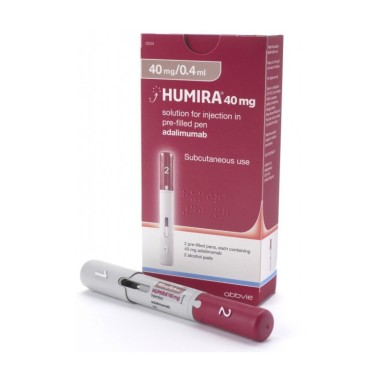
Humira Pre-Filled Pen Abbott Healthcare Pvt. Ltd.: An Overview of Its Function and Benefits Humira P..

132.00€
Humira Pre-Filled Pen ABOTT PHARMA: An Overview Humira Pre-Filled Pen ABOTT PHARMA is a prescription..

32.00€
Buy Norwayz 45 mg Intas Pharmaceuticals in the USA from an anabolic store If you are looking to enha..
Adalimumab: A Comprehensive Overview of the Biologic Treatment
Adalimumab is a human monoclonal antibody known for its role in treating various autoimmune diseases. It belongs to a class of medications called biologics, which are derived from living organisms. The primary purpose of Adalimumab is to inhibit tumor necrosis factor-alpha (TNF-alpha), a substance in the body that causes inflammation. By blocking this substance, Adalimumab helps to reduce the signs and symptoms of conditions such as rheumatoid arthritis, psoriasis, Crohn's disease, and ulcerative colitis, among others. This targeted therapeutic approach provides a unique method of managing chronic inflammatory conditions, ultimately enhancing the quality of life for many patients.
Typical Users and Contexts for Treatment
The typical users of Adalimumab are individuals diagnosed with chronic autoimmune conditions. These patients often experience a range of debilitating symptoms that can significantly impact their daily lives. Adalimumab is commonly prescribed in clinical contexts, including hospitals, rheumatology clinics, and gastroenterology practices. Patients who may benefit from this medication often range in age, commonly including adults and, in some cases, older adolescents, depending on the specific condition being treated. It is crucial that this treatment be initiated under the careful supervision of a healthcare professional, as it requires a precise understanding of the patient’s medical history and current health status.
Strengths and Distinguishing Characteristics of Adalimumab
Adalimumab stands out among other treatments for autoimmune diseases due to several strengths and unique characteristics. Firstly, its targeted action against TNF-alpha allows for effective management of inflammation without affecting the entire immune system, making it a safer option for chronic therapy. Additionally, Adalimumab has a well-established record of efficacy and safety supported by numerous clinical trials. Comparatively, other biologic treatments may focus on different pathways or targets, which can lead to varying therapeutic outcomes. Furthermore, Adalimumab offers a self-administration option through prefilled syringes or pens, enhancing patient compliance and convenience. The long half-life of the drug also allows for less frequent dosing schedules, which can be beneficial for patients managing their treatment plans at home.
Benefits of Adalimumab: A Structured Overview
Adalimumab provides several key advantages for patients undergoing treatment for autoimmune conditions. These benefits include:
- Effective reduction of inflammation and related symptoms, leading to improved function and quality of life.
- Fast-acting results in many patients, with some experiencing relief within weeks of initiation.
- Available in different forms for administration, allowing flexibility in managing treatment.
- Comprehensive safety profile supported by extensive clinical research and patient experience.
- Ability to maintain remission in chronic conditions, potentially reducing the need for additional medications.
In conclusion, these advantages make Adalimumab a significant option in the therapeutic landscape for managing autoimmune diseases and chronic inflammatory conditions.
Important Considerations Before Choosing Adalimumab
Before starting treatment with Adalimumab, there are critical considerations to assess. First, a thorough medical evaluation is necessary to identify any underlying health conditions or previous treatments that may affect the safety and efficacy of Adalimumab. Patients should be screened for infections, as the medication can weaken the immune system, increasing susceptibility to serious infections. Additionally, contraindications include known hypersensitivity to Adalimumab or any of its components, and it is not recommended for use in patients with active tuberculosis. Patients are advised to consult with their healthcare provider to discuss potential risks, benefits, and the appropriate monitoring required during treatment. Understanding these considerations is essential for making an informed decision regarding the use of Adalimumab in managing chronic autoimmune conditions.
