
USA Azipro 250 mg Cipla
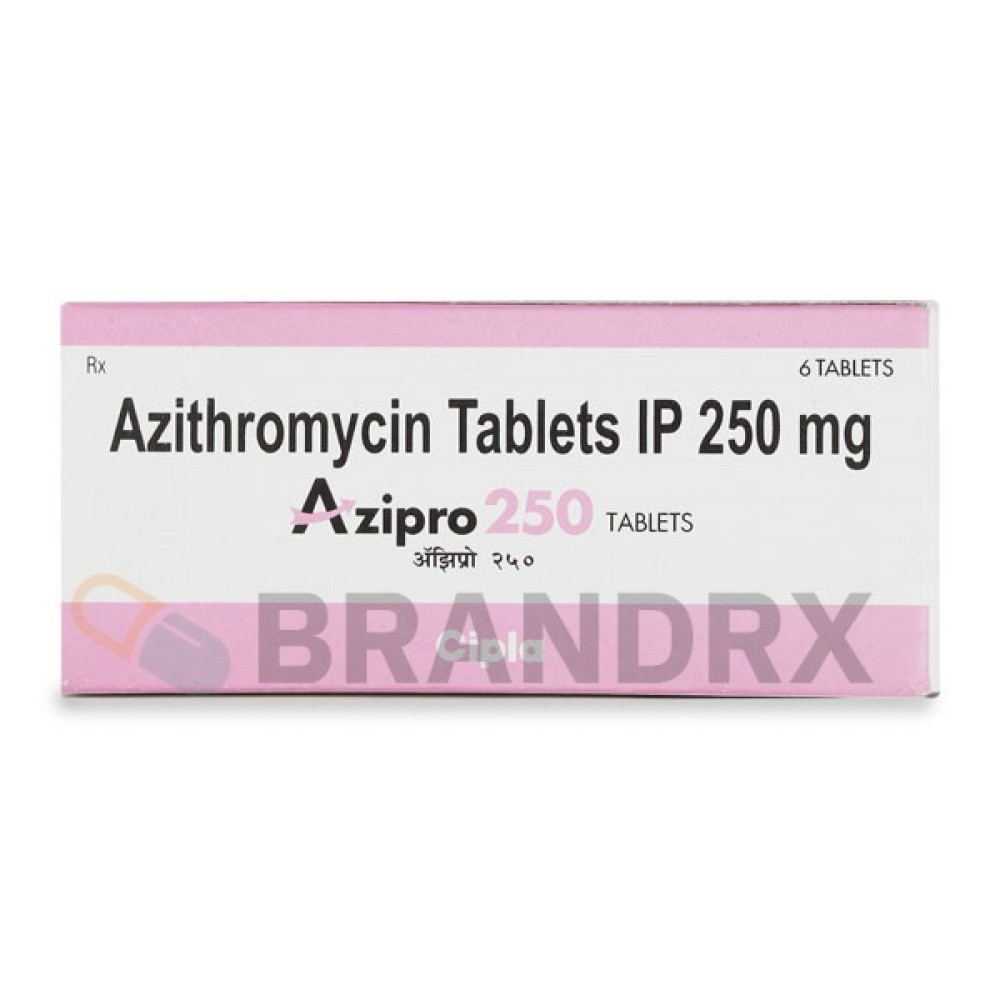
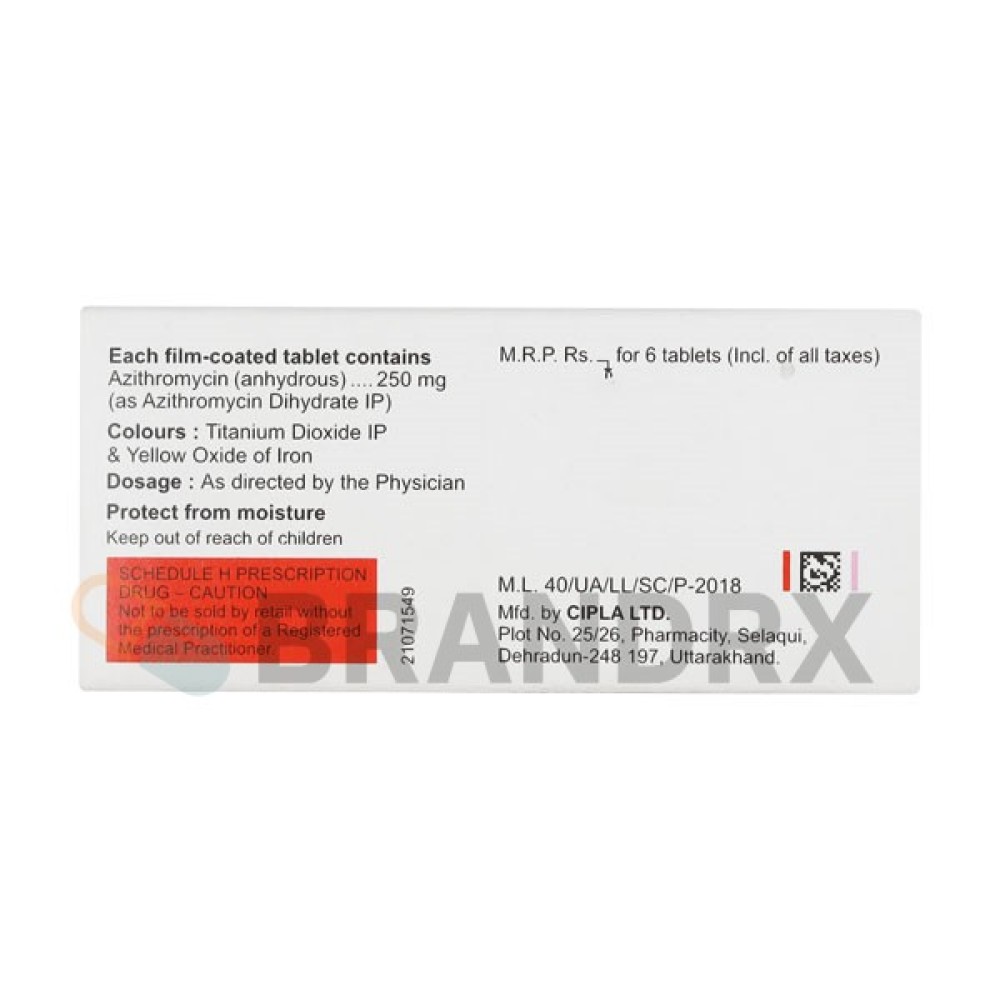


Define Azipro 250 mg Cipla and explain its general purpose
Azipro 250 mg Cipla is an antibiotic medication primarily indicated for the treatment of bacterial infections. Its active ingredient, azithromycin, belongs to the macrolide class of antibiotics, which works by inhibiting the growth of bacteria. This medication is useful in treating various infections, including respiratory infections, skin infections, ear infections, and certain sexually transmitted diseases. By targeting the ribosomal RNA within bacteria, azithromycin effectively disrupts protein synthesis, rendering the bacteria unable to multiply and flourish.
Due to its broad-spectrum activity against both gram-positive and gram-negative bacteria, Azipro 250 mg has gained significant usage in clinical practice. It is particularly valued for its ability to treat infections that may be resistant to other antibiotics, making it an essential resource in the physician's toolkit. With a convenient dosing schedule often requiring just one dose per day, Azipro provides a user-friendly option for patients while ensuring effective therapeutic outcomes.
Describe how Azipro 250 mg Cipla fits into broader treatment strategies or usage approaches
Azipro 250 mg Cipla plays a vital role in broader treatment strategies for bacterial infections through several mechanisms. Firstly, it is often employed as part of empiric therapy, where medications are selected based on the most likely pathogens in a specific clinical scenario. This approach is crucial in situations where immediate treatment is necessary, such as severe respiratory infections or skin infections, and can lead to improved patient outcomes.
Furthermore, azithromycin is often combined with other antibiotics to create a synergistic effect that can enhance treatment efficacy. For example, in cases of community-acquired pneumonia, Azipro may be used alongside beta-lactam antibiotics to cover a wider range of potential pathogens. Additionally, its use in certain chronic conditions, such as chronic obstructive pulmonary disease (COPD), underscores its importance in managing recurrent infections.
Importantly, the investigative potential of Azipro continues to be explored in various clinical trials, paving the way for its use in alternative settings, such as adjunct therapy for treating myocarditis or reducing the risk of severe exacerbations in patients with chronic conditions. As health care continues to evolve, the applications and strategic uses of Azipro 250 mg Cipla represent a growing area of interest and practice.
Explain the advantages users typically expect from this preparation
- Broad-Spectrum Activity: Azipro 250 mg Cipla is effective against a wide range of bacteria, making it suitable for treating various infections.
- Convenient Dosing: Typically administered once daily, this reduces the burden on patients to adhere to complex dosing regimens, promoting better compliance.
- Long Half-Life: The extended duration of action means that Azipro can effectively remain in the body longer, allowing for fewer doses over a treatment course.
- Reduction of Inflammatory Response: Azithromycin has anti-inflammatory properties, which may contribute to improved symptoms in conditions such as bronchitis and COPD exacerbations.
- Lower Incidence of Drug Interactions: Compared to other antibiotics, Azipro has a generally favorable profile regarding drug interactions, making it safer for patients on multiple medications.
Discuss risks, precautions, and contraindications for use of this preparation
While Azipro 250 mg Cipla is widely regarded as safe and effective, it is essential for patients and health care providers to be aware of potential risks and precautions. One primary concern involves the possibility of developing antibiotic resistance, which underscores the importance of using this medication only as directed by a qualified healthcare professional. Overuse and misuse of antibiotics can lead to strains of bacteria that are resistant to treatment, diminishing the efficacy of this vital resource.
Additionally, Azipro may not be appropriate for patients with a known hypersensitivity to azithromycin or other macrolide antibiotics. Health care providers must also evaluate patients for any underlying conditions that could pose an increased risk, such as liver disease, kidney dysfunction, or pre-existing heart conditions. Prolonged use of azithromycin can lead to QT prolongation, a serious cardiac condition that requires careful monitoring.
Patients should also be cautioned about potential gastrointestinal side effects, including diarrhea and nausea, which can occur as the body adjusts to the antibiotic. To mitigate these effects, it is advisable for users to take the medication with food unless contraindicated. Overall, a careful review of a patient’s medical history and a thorough discussion of risks and benefits will aid in minimizing adverse outcomes associated with Azipro 250 mg Cipla.
Conclude with guidance on how users should approach understanding and using Azipro 250 mg Cipla responsibly
Understanding Azipro 250 mg Cipla and its role in the treatment of bacterial infections is crucial for both patients and healthcare professionals. Patients must engage in open conversations with their healthcare providers about their medical history, current medications, and any concerning symptoms. This dialogue is essential to ensure the safe and effective use of this antibiotic.
Furthermore, it is vital for users to adhere strictly to prescribed dosages and treatment durations. Completing the entire course of treatment, even if symptoms improve or resolve, helps prevent the emergence of antibiotic-resistant bacteria. Patients should be proactive in reporting any side effects or new symptoms to their healthcare provider promptly, which aids in timely management of any potential complications.
Ultimately, responsible use of Azipro 250 mg Cipla entails a collaborative approach involving informed patients and vigilant healthcare providers, aiming not only for immediate therapeutic effectiveness but also for the sustainable health of the community through the judicious use of antibiotics.
| Features | |
| Active substance | Azithromycin |
| Also known as | Zithromax |
| Blood pressure | No significant effects on blood pressure |
| Chemical name | (2R,3S,4R,5R,8R,10R,11R,12S,13S,14R)-13-[(2,6-dideoxy-3-C-methyl-3-O-methyl-О±-L-ribo-hexopyranosyl)oxy]-2-ethyl-3,4,10-trihydroxy-3,5,6,8,10,12,14-heptamethyl-11-[[3,4,6-trideoxy-3-(dimethylamino)-ОІ-D-xylo-hexopyranosyl]oxy]-1-oxa-6-azacyclopentadecan-15-one |
| Dosage (medical) | Typically 500 mg on the first day followed by 250 mg daily for 4 days or as directed by a physician |
| Dosage (sports) | Not applicable |
| Effects | Effective against a variety of bacterial infections, including respiratory infections, skin infections, ear infections, and sexually transmitted infections |
| Formula | C38H72N2O12 |
| Half-life | 68 hours |
| Hepatotoxicity | Rare, usually mild and reversible |
| Lab Test | No specific lab tests required for monitoring |
| Main action | Bacteriostatic (inhibits bacterial protein synthesis) |
| Side effects | Nausea, vomiting, diarrhea, abdominal pain, and rarely, allergic reactions |
| Storage conditions | Store at room temperature away from moisture and heat |
| Strength | 250mg |
| Substance class | Macrolide antibiotic |
| Trade name | Zithromax, Azithrocin |
| Use in sports | Not typically used in sports |
| Water Retention | No significant effect on water retention |
| Manufacturer | Cipla Ltd. |
| Packing | 6 tabs/blister |