
Antidepressants

49.00€
Properties of Cymbalta 30 Eli Lilly and its Practical Value Cymbalta 30 Eli Lilly, generically known..

97.00€
Overview of Cymbalta 60 Eli Lilly and its main properties Cymbalta 60 Eli Lilly, known generically a..
26.00€
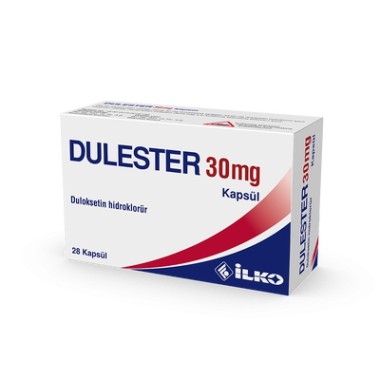
Dulester 30 ILKO: An Overview of Its Purpose and Uses Dulester 30 ILKO is a pharmaceutical product k..
34.00€
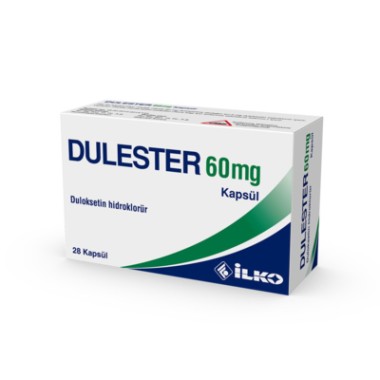
Dulester 60 ILKO: Understanding Its Core Features and Operational Principles Dulester 60 ILKO is a v..

36.00€
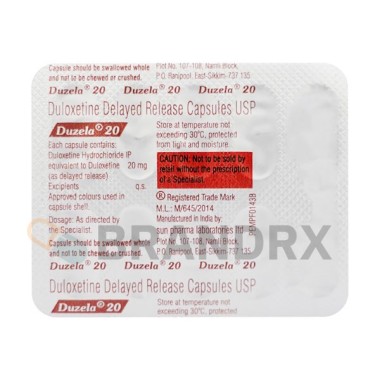
Description of Duzela 20 mg Sun Pharmaceuticals Industries and its main properties Duzela 20 mg, p..

54.00€
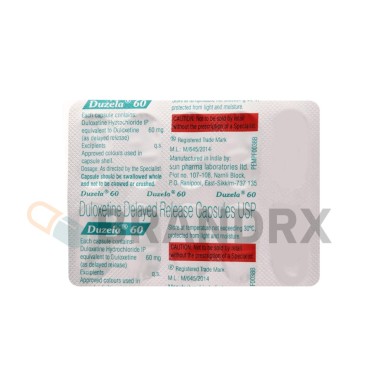
Duzela 60 mg Sun Pharmaceuticals Industries: Overview and Purpose Duzela 60 mg Sun Pharmaceuticals I..
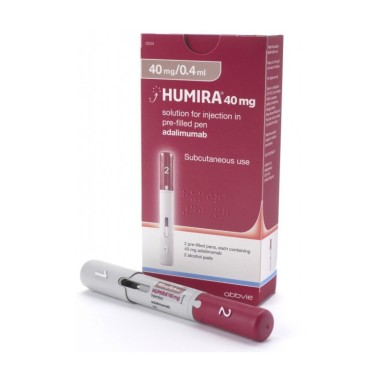
132.00€
Humira Pre-Filled Pen Abbott Healthcare Pvt. Ltd.: An Overview of Its Function and Benefits Humira P..

132.00€
Humira Pre-Filled Pen ABOTT PHARMA: An Overview Humira Pre-Filled Pen ABOTT PHARMA is a prescription..


32.00€
Buy Norwayz 45 mg Intas Pharmaceuticals in the USA from an anabolic store If you are looking to enha..
Antidepressants: An Overview of Their Purpose and Function
Antidepressants are a crucial category of medication primarily designed to treat various forms of depression and anxiety disorders. They work by altering the balance of chemicals in the brain, particularly neurotransmitters such as serotonin, norepinephrine, and dopamine. The primary purpose of these drugs is to alleviate the symptoms associated with depression, helping individuals achieve a better emotional balance and improve their quality of life. By enhancing mood, promoting emotional stability, and relieving anxiety, antidepressants play a pivotal role in both short-term and long-term mental health management.
This category of medication is broadly classified into several types, including selective serotonin reuptake inhibitors (SSRIs), serotonin-norepinephrine reuptake inhibitors (SNRIs), atypical antidepressants, and tricyclic antidepressants. Each type has its unique mechanism of action, providing options for various patient needs and preferences. With an increasing understanding of mental health, the role of antidepressants has expanded, leading to more comprehensive treatment plans that often include psychotherapy and lifestyle changes alongside pharmacological interventions.
Typical Users and Contexts of Application
Antidepressants are typically prescribed to individuals diagnosed with depressive disorders, generalized anxiety disorder, panic disorder, social anxiety disorder, and obsessive-compulsive disorder. The users often span a wide range of demographics, from adolescents to older adults, reflecting the pervasive nature of mental health issues across different age groups and populations. The context in which these medications are applied frequently includes outpatient settings, where healthcare professionals conduct thorough evaluations and recommend antidepressants as part of a holistic treatment approach.
In some cases, users may be experiencing situational depression resulting from significant life events, such as the loss of a loved one or a major life transition. Additionally, those with chronic health conditions may find themselves susceptible to depression, making antidepressants an integral component of managing their overall health. It is not uncommon for individuals to explore different treatment strategies over time, adjusting their medication as they work with their healthcare providers to find the most effective combination for their needs.
Strengths and Distinguishing Characteristics of Antidepressants
The strengths of antidepressants lie in their varied formulations and mechanisms that cater to a diverse patient population. Unlike certain categories of medications, such as sedatives or mood stabilizers, antidepressants specifically target the underlying chemical imbalances associated with mood disorders. This targeted approach often leads to significant improvements in symptoms, enabling individuals to regain their functionality in everyday life.
Another distinguishing characteristic of antidepressants is their adaptability to different treatment protocols. They can be prescribed as standalone therapies or in conjunction with psychotherapy and lifestyle modifications. This flexibility allows healthcare providers to tailor treatments to individual patients, optimizing outcomes by addressing both biological and behavioral aspects of mental health conditions. The progressive research in the field has led to the development of new antidepressants with novel mechanisms, further enhancing their effectiveness and reducing side effects.
Benefits of Antidepressants: A Balanced Overview
While antidepressants are not a one-size-fits-all solution, they offer several key advantages that make them a vital option in the treatment of mood disorders. Here are some primary benefits:
- Effective Symptom Relief: Antidepressants can significantly reduce depressive and anxiety symptoms, allowing for improved daily functioning.
- Variety of Options: With various classes available, individuals have options to find the medication that works best for their unique biological makeup and personal circumstances.
- Support for Therapy: Antidepressants often enhance the effectiveness of cognitive-behavioral therapy (CBT) and other therapeutic approaches, fostering deeper engagement in therapeutic processes.
- Long-Term Management: Beyond immediate symptom relief, antidepressants can be integral to long-term mental health management, reducing the risk of relapse in chronic conditions.
- Improved Quality of Life: By addressing the debilitating effects of depression and anxiety, antidepressants can lead to enhanced overall well-being and improved interpersonal relationships.
Important Considerations Before Choosing Antidepressants
While antidepressants can offer significant benefits, several important considerations must be taken into account before initiating treatment. First and foremost, individuals should discuss potential contraindications with their healthcare provider, including pre-existing health conditions, allergies, and current medications that may interact adversely. This is crucial to ensure patient safety and tailor the treatment plan effectively.
Additionally, it is vital to consider potential side effects, which can vary significantly depending on the specific antidepressant prescribed. Some users may experience weight gain, gastrointestinal disturbances, or changes in sleep patterns. It is important to weigh these concerns against the benefits gained from treatment. Regular follow-ups with healthcare providers help monitor any side effects and can lead to adjustments in dosage or medication type as necessary.
Lastly, a holistic approach that includes lifestyle factors such as diet, exercise, social support, and psychotherapy can significantly enhance treatment outcomes. Antidepressants are most effective when incorporated into a broad strategy for mental health that addresses all aspects of well-being. Thoughtful consideration and open communication with healthcare providers are essential for making informed decisions about entering this category of medication.
