
Drugs for the treatment of diabetes

33.00€
Avodart Glaxosmithkline: An Overview and Functionality Avodart Glaxosmithkline is a prescription med..


25.00€
Properties of Deetor 0.5 mg Johnlee Pharmaceuticals and its practical value Deetor 0.5 mg Johnlee Ph..


90.00€
Duprost 0.5 mg (100 caps) Cipla role in sports pharmacology Duprost 0.5 mg (100 caps) Cipla is a pha..

21.00€
Dutagen 0.5 mg Ranbaxy role in sports pharmacology Dutagen 0.5 mg Ranbaxy is an anabolic agent that ..

90.00€
Dutas 0.5mg Cap Dr. Reddy's Laboratories: Definition and General Purpose Dutas 0.5mg Cap Dr. Reddy's..

18.00€
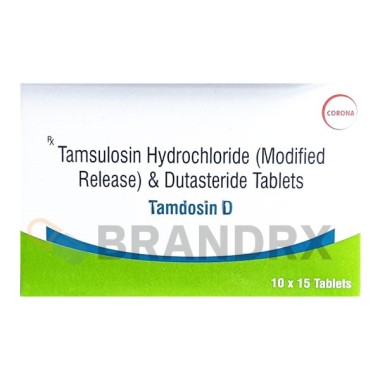
Description of Tamdosin D 0.5/0.4 mg Corona Remedies Pvt. Ltd. and its main properties Tamdosin D ..


28.00€
Characteristics of Veltride 0.5 mg Intas Pharmaceuticals and its key properties Veltride 0.5 mg, pro..
Drugs for the treatment of diabetes
Drugs for the treatment of diabetes serve a critical role in managing this chronic condition, characterized by elevated blood sugar levels. Diabetes affects millions of people across the globe and has multiple forms, primarily Type 1 and Type 2 diabetes. The primary purpose of these medications is to help regulate blood glucose levels, thereby reducing the risk of complications associated with uncontrolled diabetes, such as cardiovascular disease, kidney damage, and nerve problems. Treatments in this category can vary from insulin therapies to oral medications that enhance insulin sensitivity, stimulate insulin production, or slow carbohydrate absorption. Understanding the various drug classes and their mechanisms is key to effective diabetes management and improving the quality of life for those affected.
Typical users and contexts of diabetes medications
The users of diabetes medications are typically individuals diagnosed with diabetes, whether it is Type 1, where the body is unable to produce insulin, or Type 2, which is often associated with lifestyle factors and insulin resistance. The demographic who utilizes these drugs ranges widely, from children and adolescents with Type 1 diabetes to middle-aged and older adults facing Type 2 diabetes. Contexts of use can vary significantly, with some individuals requiring immediate medication intervention upon diagnosis, while others may manage their condition with lifestyle changes and only need medication as the disease progresses. Healthcare professionals, including endocrinologists, general practitioners, and diabetes educators, play a vital role in determining the appropriate medication and regimen based on individual health assessments and lifestyle considerations. These drugs may be prescribed during hospital visits, outpatient clinics, or routine check-ups, emphasizing their importance in both acute and chronic care settings.
Strengths and distinguishing characteristics of Drugs for the treatment of diabetes
Drugs for the treatment of diabetes are distinct in their ability to target various aspects of blood sugar management. Unlike over-the-counter medications that may provide temporary relief or symptom management for other conditions, diabetes medications specifically address the underlying mechanisms of glucose regulation. These drugs are categorized into several classes, including sulfonylureas, biguanides, DPP-4 inhibitors, GLP-1 receptor agonists, and insulin therapy, each with unique pathways of action. This diversity allows healthcare providers to tailor treatment plans that suit individual patient needs, preferences, and lifestyle choices. The strength of these medications lies not only in their effectiveness to lower blood sugar but also in their potential to promote weight loss, reduce cardiovascular risks, and improve overall metabolic health. Furthermore, patient adherence to these treatment regimens is often facilitated through advancements in formulation, delivery methods, and ongoing monitoring technology.
Benefits of Drugs for the treatment of diabetes
Drugs for the treatment of diabetes can deliver numerous benefits to patients managing this chronic condition. A balanced overview of their key advantages includes:
- Blood Sugar Regulation: These medications are specifically designed to help lower and regulate blood glucose levels, which is essential for preventing diabetes-related complications.
- Diverse Therapeutic Options: With various drug classes available, healthcare providers can customize therapies based on the patient's specific diabetes type and individual health profile.
- Improved Quality of Life: Effective diabetes management can significantly enhance a patient’s daily life, allowing them to engage more fully in activities without the interruptions caused by elevated blood sugar levels.
- Weight Management: Some diabetes medications offer the added benefit of weight loss, which can be particularly advantageous for individuals with Type 2 diabetes who may be overweight or obese.
- Cardiovascular Protection: Certain classes of diabetes medications have been shown to reduce the risk of cardiovascular events, providing additional health benefits beyond glucose control.
These advantages combine to underscore the importance of appropriate medication use in diabetes management, highlighting how advancements in drug therapy contribute to better health outcomes and improved patient satisfaction.
Important considerations before choosing diabetes medications
Before selecting products from the category of Drugs for the treatment of diabetes, important considerations must be taken into account. First and foremost, individuals should consult with a healthcare provider to determine the suitability of specific medications based on their medical history, current health status, and lifestyle. Contraindications may include factors such as pregnancy, existing medical conditions, or potential drug interactions. It is also essential to monitor any side effects related to diabetes medications, including gastrointestinal issues, hypoglycemia, or allergic reactions. Patients should engage in regular follow-ups and glucose monitoring to assess the effectiveness of their treatment regimen and make necessary adjustments. Educating oneself about the specific medication, its recommended usage, and any potential risks will empower individuals to take an active role in their diabetes management and overall health. By carefully considering these factors, patients can make informed decisions that enhance their quality of life and effectively manage their diabetes.