
Anastrozolex

138.00€
Anastrozolex (Arimidex) 1mg/tab -50 tab/bag USA Pharmaceutical: What It Is and Its Main Function Ana..
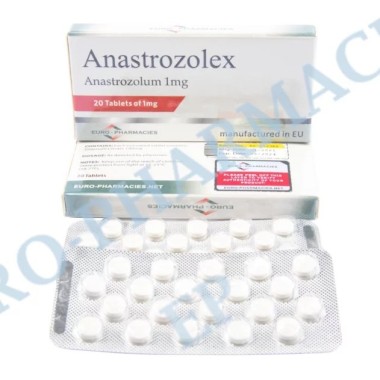
34.00€
Key features of Anastrozolex (Arimidex) 1mg/tab – 20 tab/blister EU Euro-Pharmacies and its advantag..
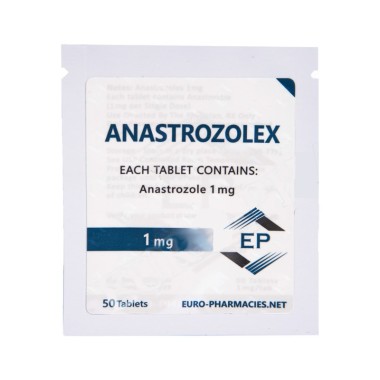
109.00€
Properties of Anastrozolex Euro-Pharmacies and its practical value Anastrozolex Euro-Pharmacies is a..
Anastrozolex: A Comprehensive Overview of Its Functionality
Anastrozolex is a vital category of medication primarily used in the treatment of hormone receptor-positive breast cancer in post-menopausal women. By acting as an aromatase inhibitor, Anastrozolex reduces estrogen production in the body, which is crucial since many breast cancers grow in response to this hormone. This category stands out in oncology for its targeted approach, providing an effective treatment alternative aimed at decreasing the risk of breast cancer recurrence after surgery. The effectiveness of Anastrozolex has made it a cornerstone in breast cancer management, aiding in numerous studies that demonstrate its positive impact on survival rates and quality of life for patients. It is important for those diagnosed with specific types of breast cancer to be informed about the options available in the Anastrozolex category, enabling informed decisions regarding their treatment paths.
Target Users and Treatment Contexts for Aromatase Inhibitors
The primary users of Anastrozolex are post-menopausal women diagnosed with hormone receptor-positive breast cancer. This demographic is specifically targeted as hormonal therapies are more effective in this group, where estrogen plays a significant role in cancer proliferation. Anastrozolex may be recommended by oncologists as part of a comprehensive treatment plan, which might include surgery and radiation therapy. Typical contexts include early-stage breast cancer treatments, adjuvant therapy following surgical removal of tumors, and settings where patients are managing the risk of recurrence. It is not uncommon for healthcare providers to monitor patients during their Anastrozolex regimen closely, assessing both the effectiveness of the treatment and managing potential side effects. Patients entering this treatment category may also be encouraged to engage in support groups or counseling services to address the emotional and psychological aspects of their cancer journey.
Distinctive Features and Advantages of Anastrozolex
Anastrozolex holds several strengths that differentiate it from other categories of breast cancer treatments, particularly other hormonal therapies such as tamoxifen. One of the hallmark advantages of Anastrozolex is its selective action in inhibiting aromatase, which leads to a significant reduction in circulating estrogen levels. Unlike tamoxifen, which acts as a partial estrogen agonist in certain tissues, Anastrozolex provides a more comprehensive blockade of estrogen's effects, making it particularly advantageous in certain clinical scenarios. Additionally, clinical trials have shown less risk of severe thromboembolic events and endometrial cancer associated with Anastrozolex compared to some estrogen-based therapies. This category may also boast a more favorable side effect profile that assists patients in adherence to their treatment regimen. The combination of its efficacy and a more manageable safety profile makes Anastrozolex a preferred choice for many healthcare providers and their patients.
Benefits of Choosing Anastrozolex for Breast Cancer Management
When considering Anastrozolex as part of a treatment strategy, patients and healthcare providers alike can appreciate the following benefits:
- Targeted Treatment: Anastrozolex specifically targets estrogen reduction, addressing the hormonal component of cancer growth.
- Improved Survival Rates: Studies indicate that Anastrozolex significantly contributes to improving overall survival rates when used as adjuvant therapy.
- Lower Risk of Recurrence: Continuous use of Anastrozolex has been shown to decrease the rates of cancer recurrence in post-menopausal women.
- Favorable Side Effect Profile: Compared to other hormonal therapies, Anastrozolex tends to have a milder side effect profile that can improve patient compliance.
- Non-Stimulatory: Unlike some treatments, Anastrozolex does not stimulate the endometrium, thus reducing the risk of uterine-related complications.
These advantages highlight why Anastrozolex is increasingly becoming a standard choice in treating specific types of breast cancer, enabling tailored therapies that enhance patient outcomes and provide a higher quality of life during treatment.
Important Considerations When Choosing Anastrozolex
Before incorporating Anastrozolex into a treatment plan, it is essential to consider several factors, including potential contraindications. Patients should undertake a thorough discussion with their healthcare provider to determine if Anastrozolex is suitable for their individual health conditions. Contraindications may include a history of hypersensitivity to the drug or its components, as well as pre-existing liver or renal impairments that may affect drug metabolism. It is also vital for patients to understand potential drug interactions with medications that affect liver enzymes. Providers may advise against use during pregnancy or breastfeeding, given its effects on hormone levels. Regular monitoring during therapy may include routine check-ups to evaluate liver function and bone health, as aromatase inhibitors can impact bone density. By being well-informed and adhering to professional medical advice, patients can navigate their treatment with greater efficacy and safety.