
Allopurinol

6.00€
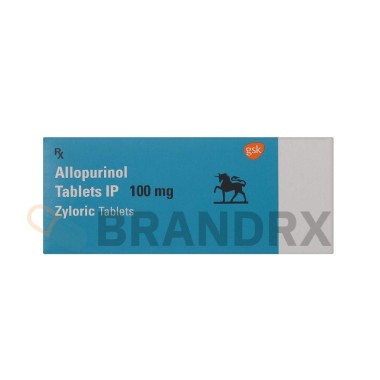
Zyloric 100 mg Glaxosmithkline: Understanding Its Mechanism and Features Zyloric 100 mg Glaxosmithk..
8.00€
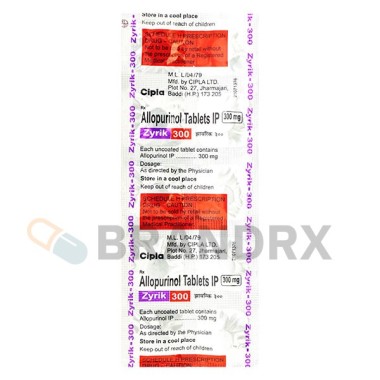
Zyrik 300 mg Cipla: Definition and General Purpose Zyrik 300 mg Cipla is a pharmaceutical preparatio..
Allopurinol: Overview and Main Purpose
Allopurinol is a medication primarily utilized in the management and treatment of gout, a form of inflammatory arthritis that arises from the accumulation of uric acid crystals in joints. By inhibiting xanthine oxidase, an enzyme critical in the conversion of hypoxanthine and xanthine to uric acid, Allopurinol effectively reduces uric acid levels in the blood. This reduction not only alleviates the acute pain associated with gout but also aids in preventing future gout attacks. Moreover, Allopurinol is essential for patients undergoing cancer treatments to prevent or reduce hyperuricemia, a condition characterized by elevated uric acid levels that can lead to kidney stones and other complications.
Typical Users and Contexts of Allopurinol
The typical users of Allopurinol include individuals diagnosed with gout or those experiencing recurrent attacks of this painful condition. Gout mainly affects middle-aged men and postmenopausal women, often due to dietary factors or genetic predispositions. The medication is also commonly prescribed for patients undergoing chemotherapy or radiation therapy, who are at an increased risk for developing hyperuricemia as a result of tumor lysis syndrome. In clinical settings, healthcare providers may recommend Allopurinol as a long-term solution for managing chronic uric acid levels in patients with specific metabolic disorders.
Strengths and Distinguishing Characteristics of Allopurinol
Allopurinol holds several advantages over related medications and treatments for managing high uric acid levels. Unlike other urate-lowering therapies, it not only decreases uric acid production but also promotes the conversion of uric acid into more soluble compounds. This dual mechanism allows Allopurinol to be a versatile and effective long-term option for patients. Additionally, it is often better tolerated than alternatives such as uricosuric agents, which increase the excretion of uric acid through the kidneys. Finally, Allopurinol has a well-documented history of effectiveness, making it a trusted choice for both patients and healthcare providers.
Benefits of Allopurinol
Allopurinol offers a range of benefits for individuals with high uric acid levels or gout. Below are some key advantages:
- Effective management of gout symptoms by reducing uric acid levels, thereby mitigating pain and inflammation.
- Prevention of recurrent gout attacks, leading to improved quality of life for individuals prone to this condition.
- Reduction of the risk of kidney stones associated with high uric acid levels through better uric acid control.
- Support for individuals undergoing chemotherapy by preventing complications arising from tumor lysis syndrome.
- Proven long-term safety and efficacy, which assures users and healthcare providers of its reliability in chronic management.
Important Considerations Before Choosing Allopurinol
While Allopurinol presents various benefits, it is important for users to be aware of specific considerations before starting treatment. Individuals with a known hypersensitivity to Allopurinol should avoid its use due to the potential for serious allergic reactions. Additionally, those with severe kidney or liver impairments should consult their healthcare provider, as dose adjustments may be necessary. It is critical for patients to discuss their complete medical history, including any existing medications, to prevent adverse interactions. Regular monitoring of uric acid levels and overall kidney function is also advised to ensure the medication is working effectively and safely.