
USA Zyloric 100 mg Glaxosmithkline
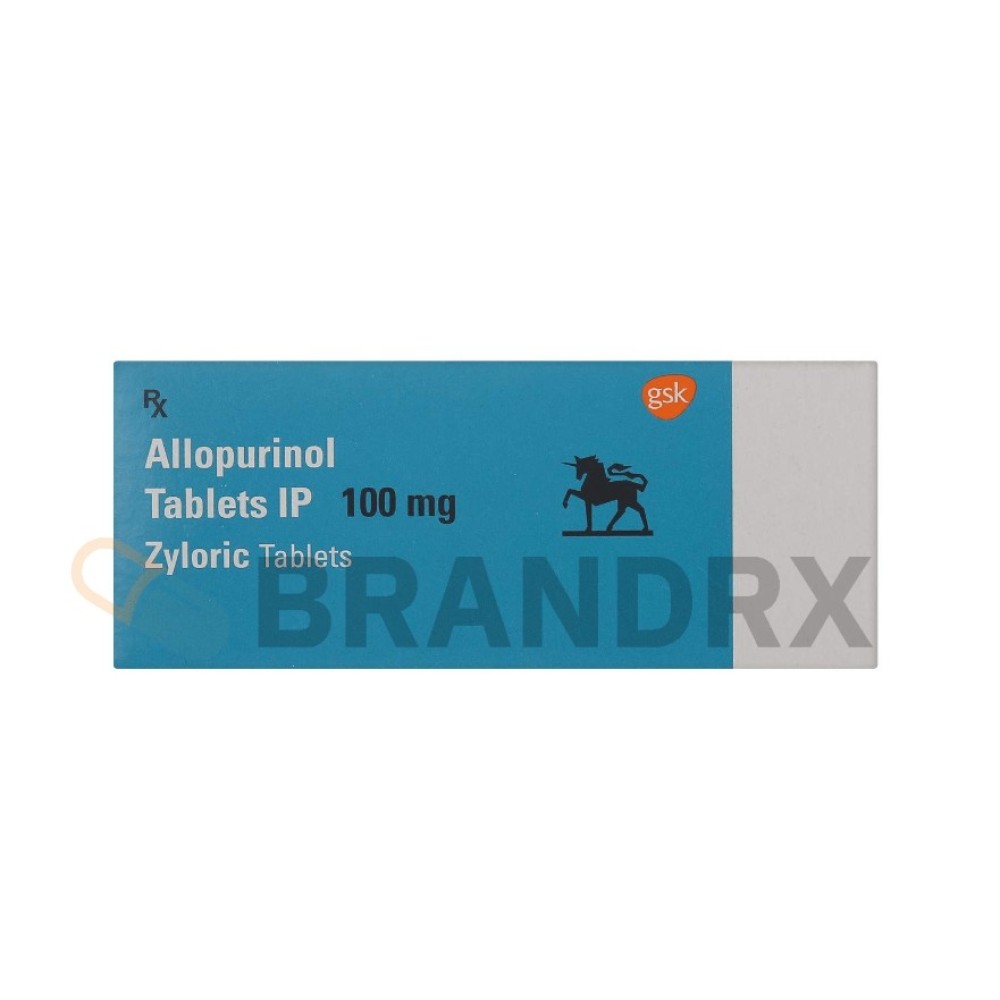
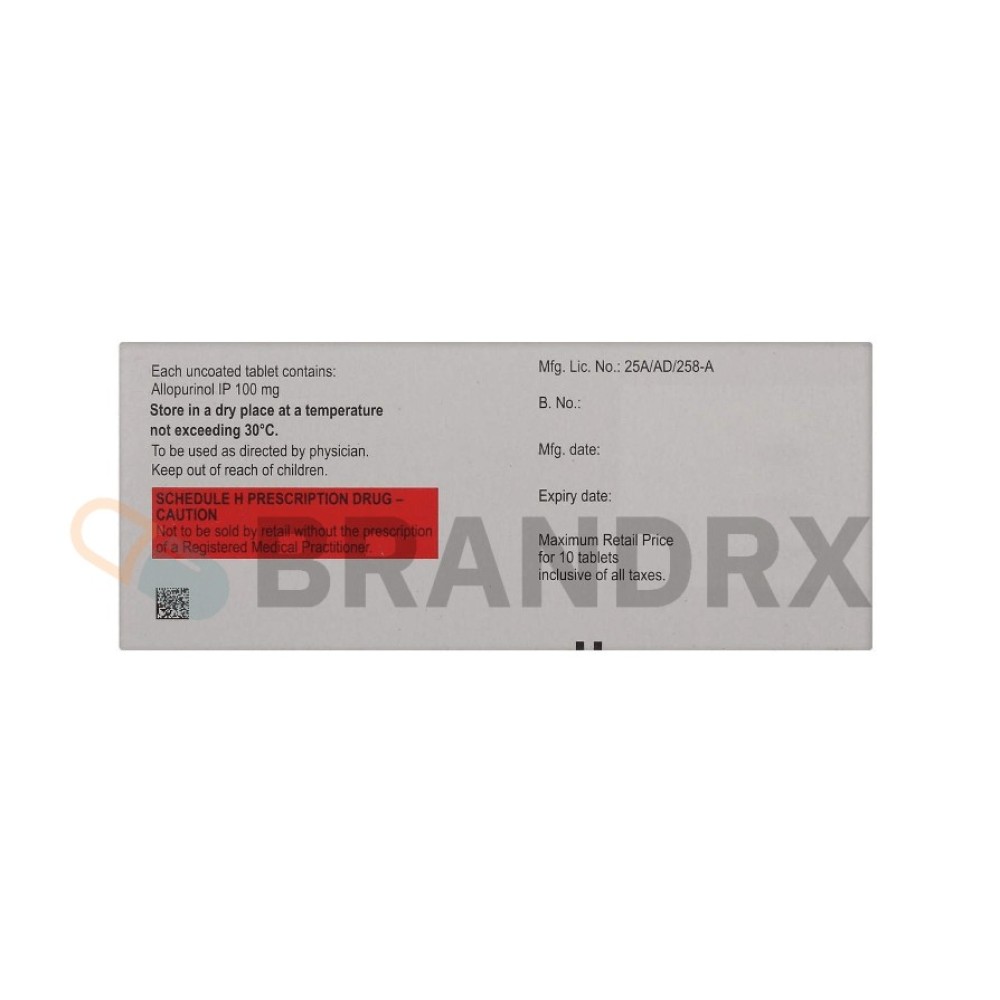
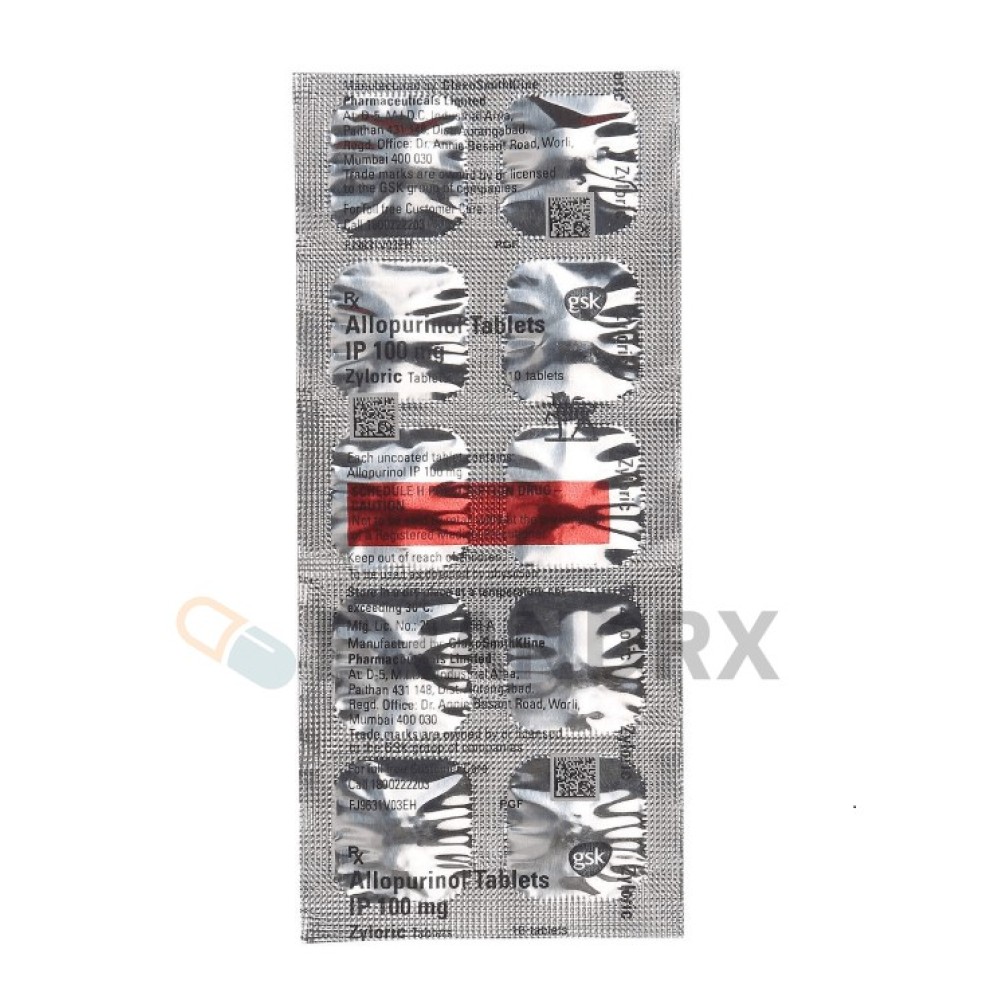
Zyloric 100 mg Glaxosmithkline: Understanding Its Mechanism and Features
Zyloric 100 mg Glaxosmithkline, commonly known by its active ingredient allopurinol, is a medication primarily used to lower uric acid levels in individuals with conditions such as gout and certain types of kidney stones. The main operation principle of Zyloric revolves around inhibiting the xanthine oxidase enzyme, which is crucial in the production of uric acid. By blocking this enzyme, Zyloric effectively reduces the amount of uric acid your body produces, thereby preventing the painful buildup associated with gout and helping in the management of hyperuricemia.
This medication is recognized for its specificity in targeting the pathways that lead to excessive uric acid levels. One of the key features of Zyloric is that it not only alleviates the symptoms during a gout attack but also works as a preventive treatment, reducing the frequency and severity of future attacks. This dual action makes it a vital option for people suffering from chronic gout or recurrent episodes.
Forms of Release for Effective Treatment
Zyloric is primarily available in tablet form, with the 100 mg dosage being one of the most common prescribed to patients. Other available dosages include 300 mg tablets, providing flexibility depending on the severity of a patient's condition and their individual tolerance to the medication. The oral tablets are designed to be taken once daily or as recommended by a healthcare provider, which simplifies the treatment regimen and enhances patient adherence.
In addition to the standard tablet formulation, Zyloric can be compounded into different forms in certain pharmaceutical settings, allowing customization for specific patient needs. However, the conventional tablets remain the preferred choice for most users due to their consistent efficacy and convenience.
The Unique Advantages of Zyloric 100 mg Glaxosmithkline Over Other Medications
What sets Zyloric 100 mg Glaxosmithkline apart from other urate-lowering therapies is its long-established safety profile and effectiveness in chronic management. Unlike some alternative treatments that may cause more severe side effects or contraindications, Zyloric is well-tolerated by a majority of patients when used as directed. It's crucial for potential users to understand that Zyloric not only effectively lowers uric acid levels but also helps prevent the formation of urate crystals in joints and tissues, reducing the likelihood of painful flare-ups.
This medication is particularly beneficial for patients who have not found relief or management benefits from other nonsteroidal anti-inflammatory drugs (NSAIDs) or short-term gout treatments. For many, Zyloric emerges as a practical choice for long-term care and management of gout and related conditions.
Long-Term Use Considerations and Contraindications
When considering the long-term use of Zyloric 100 mg Glaxosmithkline, patients must also be aware of specific contraindications and considerations. It is generally advised that pregnant women, breastfeeding mothers, and children under a certain age not use Zyloric without appropriate medical guidance, as the effects in these populations are not well-studied. Additionally, those with pre-existing liver or kidney disorders should approach the use of Zyloric with caution, as it may exacerbate underlying conditions.
Long-term usage of Zyloric can lead to a significant reduction in the frequency of gout attacks and potentially improve overall joint health. However, it's important for patients to have regular check-ups with their healthcare providers to monitor uric acid levels and adjust dosages as necessary based on individual responses to treatment.
Guidelines for Starting and Using Zyloric 100 mg Glaxosmithkline
When beginning treatment with Zyloric 100 mg Glaxosmithkline, it is crucial to consult with a healthcare professional regarding the appropriate dosage and administration schedule tailored to your specific health needs. Initiating treatment gradually, starting with a lower dose, can help assess tolerance and reduce the risk of initial adverse effects.
Patients are encouraged to stay hydrated, as increasing fluid intake can assist in flushing out uric acid and preventing stone formation. Additionally, maintaining a balanced diet and avoiding foods high in purines can further enhance the effectiveness of Zyloric in managing uric acid levels.
Overall, Zyloric 100 mg Glaxosmithkline stands as a dependable choice for many struggling with hyperuricemia and gout, offering effective long-term management when used correctly and under professional guidance. Understanding its benefits, usage guidelines, and contraindications equips users to make informed decisions about their treatment options.
| Features | |
| Active substance | Allopurinol |
| Also known as | Allopurinol |
| Blood pressure | No significant effect |
| Chemical name | 1H-pyrazolo[3,4-d]pyrimidin-4-ol |
| Dosage (medical) | Typically 100-300 mg daily, may be increased to 600 mg daily in severe cases |
| Dosage (sports) | Not applicable |
| Effects | Lowers serum and urinary uric acid levels |
| Formula | C5H4N4O |
| Half-life | 1 to 2 hours |
| Hepatotoxicity | Rare but possible liver enzyme abnormalities |
| Lab Test | Uric acid levels |
| Main action | Reduces uric acid production |
| Side effects | Rash, Stevens-Johnson syndrome, gastrointestinal disturbance, liver enzyme abnormalities |
| Storage conditions | Store at room temperature away from moisture and heat |
| Strength | 100mg |
| Substance class | Xanthine oxidase inhibitor |
| Trade name | Zyloprim, Aloprim |
| Use in sports | Not typically used in sports |
| Water Retention | No significant effect |
| Manufacturer | GlaxoSmithKline |
| Packing | 10 tabs/blister |