
USA Eprex 0.3 Ml 6000 Iu Janssen-Cilag
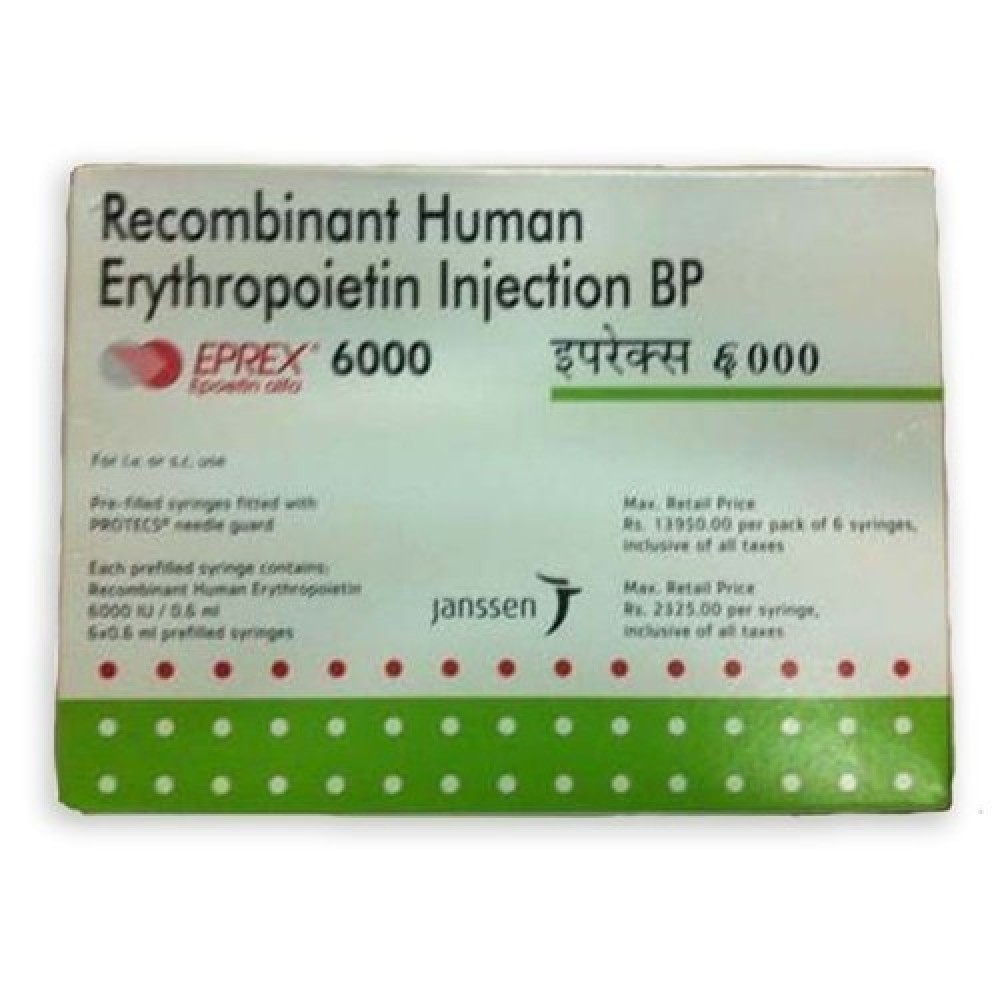
Eprex 0.3 Ml 6000 Iu Janssen-Cilag Overview
Users of Eprex 0.3 Ml 6000 Iu Janssen-Cilag typically seek to manage conditions related to anemia, particularly those stemming from chronic kidney disease or those undergoing chemotherapy. Many people hope to alleviate fatigue and boost energy levels associated with lower red blood cell counts. However, there can be common misunderstandings related to the purpose and effects of the medication. Some may assume that Eprex is a quick fix for tiredness or a general enhancer of physical performance. It is crucial to understand that Eprex works by addressing a specific biological deficiency rather than functioning as an all-purpose energy booster. Its main goal is to stimulate red blood cell production in the body, thus helping combat the symptoms of anemia rather than addressing fatigue from other causes.
Mechanism of Action of Eprex
Eprex 0.3 Ml 6000 Iu Janssen-Cilag contains erythropoietin, a hormone naturally produced in the kidneys. This hormone signals the bone marrow to increase the production of red blood cells. In cases where the kidneys are not functioning optimally, or when there is a significant loss of blood or a decreased production of erythropoietin, the body may not produce sufficient red blood cells, leading to anemia. When Eprex is administered, it mimics this hormone and helps restore normal blood cell levels. It is essential to monitor specific parameters such as hemoglobin levels, hematocrit, and iron stores when using this preparation, as they directly impact the effectiveness of therapy. Proper management encourages the body’s response to the medication, promoting healthier red blood cell production and improving overall well-being for individuals affected by anemia.
Eprex 0.3 Ml 6000 Iu Janssen-Cilag Limitations and Considerations
While Eprex can provide significant benefits, there are limitations and important contraindications associated with its use. It is not suitable for everyone, and there are specific conditions where it should be avoided, such as in patients with uncontrolled high blood pressure or certain types of cancer that may proliferate under increased red blood cell counts. Potential side effects can also arise, including hypertension, thrombosis, or allergic reactions, which necessitate a healthcare professional's guidance before beginning treatment. Consulting with a healthcare provider is critical to evaluating individual health conditions, potential drug interactions, and other medications that a patient might be taking. Only a qualified professional can determine if Eprex is an appropriate and safe treatment option for a specific patient’s needs.
Consultation and Safety with Eprex
In addition to understanding the limitations of Eprex, users should prioritize safety through proper consultation. It is advisable to have regular check-ups and blood tests to monitor the patient's response to the medication. Adjustments do not solely depend on how individuals feel but should be guided by lab results and a healthcare provider's advice. Eprex therapy requires careful management, ensuring that the dosage aligns with the person’s unique medical background and current health status. Whether for chronic kidney disease, cancer treatment, or other indications, proper medical supervision ensures efficacy and minimizes the potential for adverse effects.
Exploring Further Information on Eprex 0.3 Ml 6000 Iu Janssen-Cilag
For users interested in exploring more about Eprex 0.3 Ml 6000 Iu Janssen-Cilag, this page offers guidance on various aspects. It is beneficial to learn about its uses, recommended dosage, administration routes, and to ensure informed decisions. Reliable resources may include scientific studies, patient information leaflets, and testimonials from other users. Accessing such information aids in understanding the medication's full profile. Potential users should also consider engaging with healthcare platforms or forums where professionals and other patients discuss their experiences and provide insights. The aim is to empower individuals with knowledge while reinforcing the importance of making healthcare decisions in consultation with qualified professionals.
| Features | |
| Active substance | Erythropoietin |
| Also known as | EPO |
| Blood pressure | Can cause an increase in blood pressure |
| Category | Pharma Grade |
| Chemical name | Erythropoietin |
| Dosage (medical) | Typically 50-300 units/kg three times a week, dose adjusted based on hemoglobin levels and patient response |
| Dosage (sports) | Misuse can involve 20-50 IU/kg of body weight, three times per week |
| ean13 | 1399847472507 |
| Effects | Increases red blood cell count, enhances oxygen transport and aerobic capacity |
| FORM | Injection |
| Formula | Not applicable as it is a glycoprotein |
| Half-life | Varies, typically 4-13 hours depending on the type (recombinant forms) |
| Hepatotoxicity | None reported |
| Lab Test | Detection via specific blood tests (e.g., EPO doping test, isoelectric focusing) |
| Main action | Stimulates erythropoiesis (production of red blood cells) |
| Reference | SPRM052 |
| Side effects | Hypertension, thrombosis, increased risk of stroke, headache, flu-like symptoms |
| Storage conditions | Refrigerated, typically between 2-8В°C |
| Substance class | Hormone, specifically a growth factor |
| Trade name | Epogen, Procrit, Eprex, others |
| Use in sports | Banned - used to increase endurance and performance |
| Water Retention | Minimal |