
USA Deltacortril Pfizer
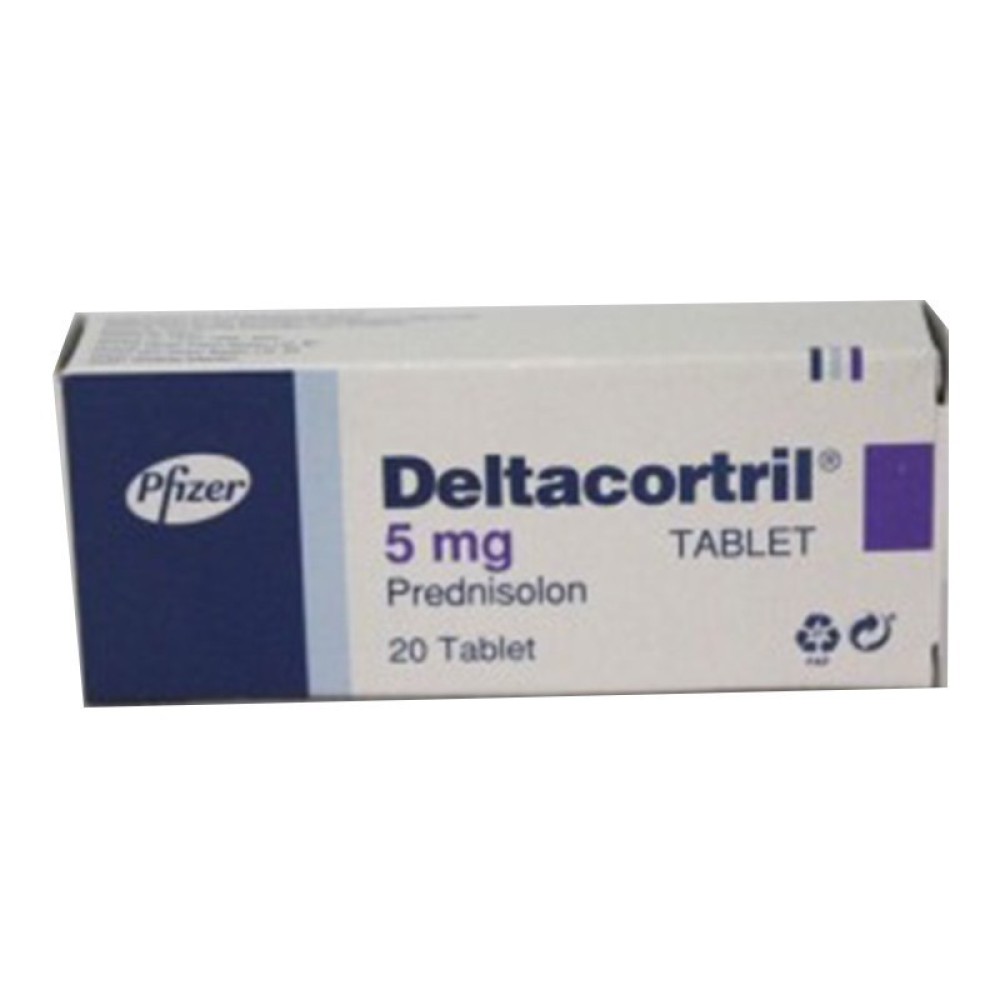
Define Deltacortril Pfizer and Explain Its General Purpose
Deltacortril Pfizer is a corticosteroid medication commonly prescribed to manage various inflammatory and autoimmune conditions. Its active ingredient, dexamethasone, is renowned for its anti-inflammatory and immunosuppressive properties, which help in alleviating symptoms associated with illnesses such as arthritis, asthma, and certain skin disorders. Deltacortril Pfizer operates by reducing inflammation and suppressing the immune response, making it an essential part of treatment regimens for conditions where inflammation plays a significant role.
The general purpose of Deltacortril Pfizer is to provide relief from pain and discomfort while facilitating a faster recovery process. This medication can be particularly effective in instances where the body's immune system is overactive, causing the inflammatory response to be detrimental rather than beneficial. By modulating the immune response, Deltacortril Pfizer promotes healing and improves the overall quality of life for patients suffering from chronic inflammatory diseases.
How Deltacortril Pfizer Fits into Broader Treatment Strategies or Usage Approaches
Deltacortril Pfizer is often integrated into a comprehensive treatment strategy that may include other medications, lifestyle modifications, and physical therapies. Its role as a corticosteroid makes it a staple in the management of conditions such as rheumatoid arthritis, ulcerative colitis, and allergic responses. Typically, healthcare providers will evaluate the severity of the condition and the patient's medical history before incorporating Deltacortril Pfizer into a broader treatment plan.
In many cases, this medication is used as a short-term solution to control flare-ups and symptoms, allowing for more time-sensitive interventions. Physicians may combine it with non-steroidal anti-inflammatory drugs (NSAIDs) or disease-modifying antirheumatic drugs (DMARDs) to enhance effectiveness and minimize side effects. By utilizing Deltacortril Pfizer in conjunction with other treatments, doctors can create a balanced approach that addresses both immediate and long-term health concerns.
Additionally, patient education plays a crucial role in the effective use of Deltacortril Pfizer. Awareness of the medication's purpose, expected outcomes, and potential side effects can lead to better adherence and overall treatment success. By fostering an understanding of the medication's role within the broader context of a treatment plan, patients are more likely to participate actively in their recovery, ensuring more favorable outcomes.
Advantages Users Typically Expect from This Preparation
Patients using Deltacortril Pfizer often anticipate several key advantages associated with their treatment. Understanding these benefits can encourage compliance and set realistic expectations. Below are some of the primary advantages:
- Rapid Reduction of Inflammation: Users can expect a swift alleviation of symptoms, such as swelling and pain, due to the potent anti-inflammatory effects of Deltacortril Pfizer.
- Improved Quality of Life: The effective management of chronic conditions can lead to enhanced daily functioning and overall well-being.
- Flexible Dosage: Deltacortril Pfizer is available in various dosages, allowing physicians to customize treatments based on individual needs.
- Broad Applicability: This medication is suitable for a wide range of autoimmune and inflammatory conditions, making it a versatile choice in many treatment regimens.
- Support for Short-Term Control: Deltacortril Pfizer is particularly effective in managing acute flare-ups of conditions, offering patients quick relief when they need it most.
Risks, Precautions, and Contraindications for Use of This Preparation
Despite its effectiveness, Deltacortril Pfizer is not without risks and contraindications. Healthcare providers must carefully assess patients' medical histories to minimize potential adverse effects associated with its use. Common risks include gastrointestinal complications, prolonged use may lead to adrenal suppression, and increased susceptibility to infections due to its immunosuppressive action.
Patients diagnosed with certain underlying conditions, such as active infections, peptic ulcers, or recent surgery, may require alternative therapies to avoid complications. Additionally, the use of Deltacortril Pfizer in children requires special consideration, as they may experience different side effects compared to adults. Therefore, close monitoring is essential, particularly for long-term users and vulnerable populations.
Patients are advised to disclose all medications, including over-the-counter drugs, supplements, and herbal products, to their healthcare provider to evaluate potential interactions. It is also critical to follow dosing instructions and not to discontinue use abruptly without professional guidance, as this can lead to withdrawal symptoms or a resurgence of the treated condition.
Conclude with Guidance on How Users Should Approach Understanding and Using Deltacortril Pfizer Responsibly
A responsible approach to using Deltacortril Pfizer begins with open communication between patients and healthcare providers. Understanding the purpose of the medication, its benefits, and potential side effects is crucial for effective management of the underlying condition. Patients should engage in a collaborative dialogue with their healthcare team to address concerns and receive tailored guidance based on their specific health needs.
Moreover, adherence to prescribed dosages is vital. Patients should not self-medicate or alter their treatment regimen without consulting their doctor, as this could lead to ineffective management or adverse health outcomes. Regular follow-up appointments can help monitor progress and make necessary adjustments to the treatment plan.
In summary, Deltacortril Pfizer can be a powerful tool in the management of inflammatory and autoimmune diseases, but it demands a careful and informed approach. By understanding how it fits into broader treatment strategies and recognizing the associated risks, patients can maximize the benefits of this medication while maintaining their safety and well-being.
| Features | |
| Acne | No |
| Active substance | Prednisolone |
| Also known as | Deltacortril, Deltastab, Dilacort |
| Aromatization | No |
| Blood pressure | Can cause elevation of blood pressure |
| Chemical name | (11beta)-11,17,21-Trihydroxypregna-1,4-diene-3,20-dione |
| Classification | Glucocorticosteroid |
| Dosage | 20-30 mg/day |
| Dosage (medical) | Typically 5 to 60 mg per day in divided doses, depending on the condition being treated |
| Dosage (sports) | Not applicable as it is not legally used for performance enhancement |
| Effects | Reduction of inflammation, suppression of the immune response, and decreased edema |
| Formula | C21H28O5 |
| Half-life | 2 to 3 hours |
| HBR | Possible |
| Hepatotoxicity | No |
| Lab Test | Monitoring of blood glucose and electrolyte levels |
| Main action | Anti-inflammatory and immunosuppressive |
| Side effects | Weight gain, osteoporosis, hypertension, increased risk of infection, cataracts, and mood swings |
| Storage conditions | Store at room temperature, away from moisture and heat |
| Substance class | Corticosteroid |
| Trade name | Prelone, Deltacortril, Millipred |
| Use in sports | Prohibited in competitive sports, may be used under therapeutic use exemptions |
| WAREHOUSE | International Warehouse 2 |
| Water Retention | No |
| Manufacturer | Pfizer |