
Tretinoin
20.00€
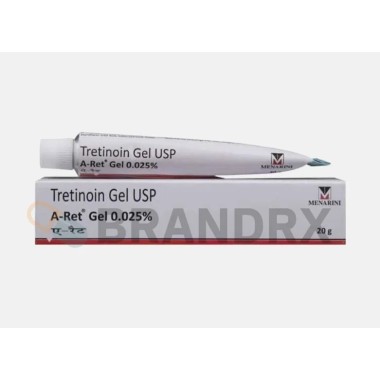
A-Ret Gel 0.025% Menarini: Overview and Main Function A-Ret Gel 0.025% Menarini is a topical gel for..
36.00€
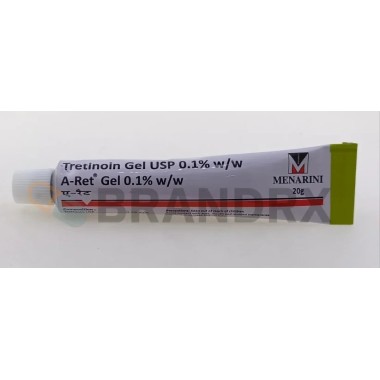
A-Ret Gel 0.1% Menarini: Overview and Main Function A-Ret Gel 0.1% Menarini is a topical medication ..

55.00€
Key features of Acnelyse Cream 0.05% Abdi Ibragim and its advantages Acnelyse Cream 0.05% Abdi Ibra..
67.00€
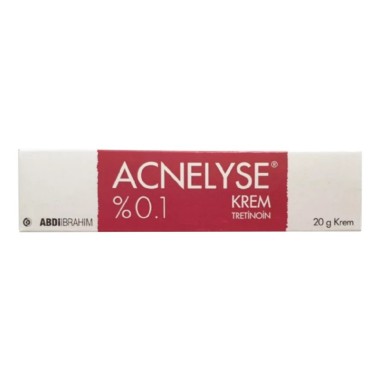
Properties of Acnelyse Cream 0.1% Abdi Ibragim and its practical value Acnelyse Cream 0.1% Abdi Ibra..
36.00€
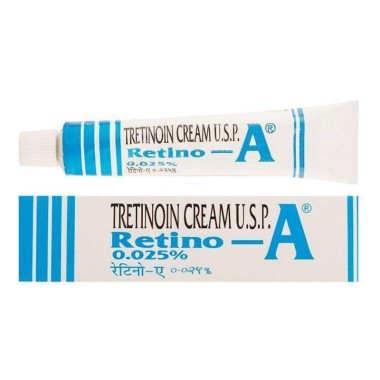
Properties of Retino A 0.025% Cream Johnson & Johnson and its practical value Retino A 0.025% Cream ..
38.00€
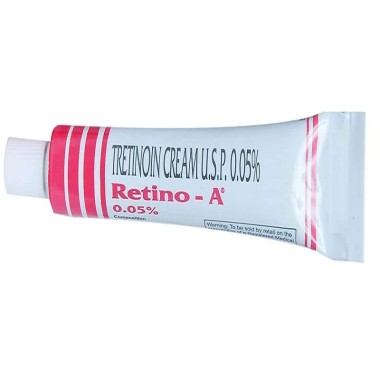
Key features of Retino A 0.05% Cream Johnson & Johnson and its advantages Retino A 0.05% Cream by Jo..
75.00€
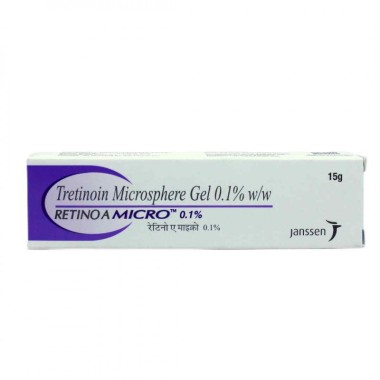
Retino A Micro 0.1% Cream by Johnson & Johnson is a remarkable formulation that has gained significa..
13.00€
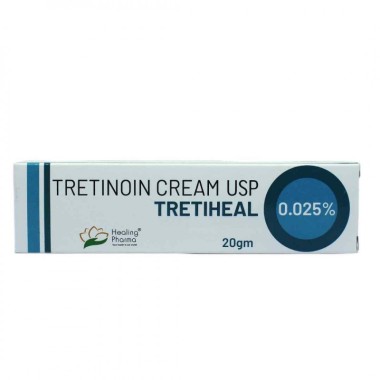
Overview of Tretiheal 0.025% Cream Healing Pharma and its main properties Tretiheal 0.025% Cream Hea..
14.00€
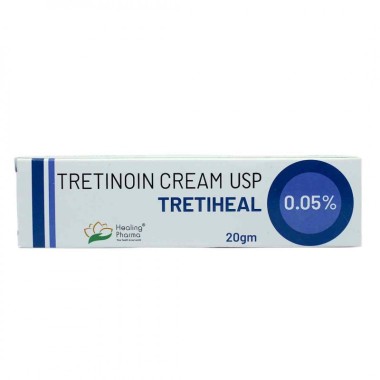
Tretiheal 0.05% Cream Healing Pharma: Addressing Your Skin Concerns Tretiheal 0.05% Cream Healing Ph..
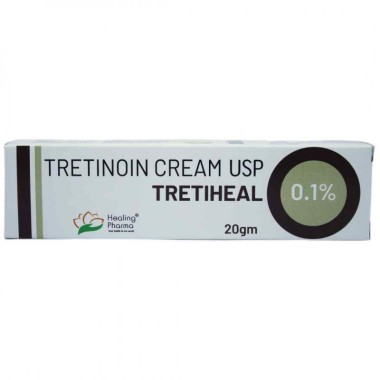
20.00€
Tretiheal 0.1% Cream Healing Pharma: Overview and Main Function Tretiheal 0.1% Cream Healing Pharma ..
Define Tretinoin as a Product Category and Explain Its General Purpose
Tretinoin, a derivative of vitamin A, falls under the category of topical retinoids. It is primarily used in the treatment of acne and has gained popularity for its effectiveness in addressing skin aging concerns. Tretinoin works by promoting cell turnover, which helps to prevent the formation of new acne lesions and aids in the fading of existing blemishes. Its mechanism of action involves increasing skin cell renewal, allowing for a smoother and clearer complexion. As a prescription-only medication, Tretinoin has seen significant adoption in dermatology offices and amongst skincare enthusiasts seeking results that over-the-counter products often fail to deliver.
Describe How Tretinoin Fits Into Broader Product Ecosystems or Treatment Strategies
Tretinoin is a crucial component in the broader context of dermatological treatment strategies and skincare regimens. It is often integrated into multi-tiered approaches that may include salicylic acid, benzoyl peroxide, or hydrating agents, greatly enhancing the overall efficacy of acne treatment. For those dealing with signs of aging, Tretinoin can be combined with other active ingredients such as hyaluronic acid, peptides, and antioxidants to maximize anti-aging benefits while minimizing dryness, which is a common side effect. Furthermore, it plays a significant role in photorejuvenation therapies and other clinical treatments for skin rejuvenation, illustrating its versatility and importance in both clinical and home skincare settings.
Explain the Advantages Users Typically Expect from This Category
Users of Tretinoin typically anticipate various significant advantages, which contribute to its widespread appeal and effectiveness. The following are some key benefits associated with Tretinoin:
- Improved acne management: Many users report a considerable reduction in acne breakouts and a visible decrease in the severity of existing acne lesions.
- Reduction of fine lines and wrinkles: The renewal of skin cells helps to diminish the appearance of fine lines and sun damage, restoring a youthful glow.
- Minimized hyperpigmentation: Tretinoin can help in fading dark spots and overall skin tone, providing a more uniform complexion.
- Enhanced skin texture: Users often experience smoother skin as Tretinoin promotes shedding of dead skin cells and growth of new ones.
- Improved skin elasticity: Regular use of Tretinoin can lead to firmer, more resilient skin by stimulating collagen production.
Discuss Risks, Precautions, and Contraindications for Use
While Tretinoin is lauded for its benefits, it is essential for users to be aware of the risks and precautions associated with its use. Common side effects include dryness, peeling, redness, and increased sensitivity to sunlight, which can result in sunburns. Users should apply sunscreen during the day and avoid sun exposure when using Tretinoin. Precautions should include gradually introducing the product into a skincare routine to minimize irritation, specifically for individuals with sensitive skin. Pregnant or breastfeeding women are advised against using Tretinoin due to potential risk to the fetus or infant. Those with certain skin conditions, such as eczema or rosacea, should consult with a healthcare provider before starting treatment to ensure it is appropriate for their skin type and concerns.
Conclude with Guidance on How Users Should Approach Understanding and Exploring the Tretinoin Category Responsibly
Given the powerful nature of Tretinoin and its potential side effects, it is imperative that users approach this product category with a commitment to responsible skincare practices. First and foremost, individuals should seek professional guidance from a dermatologist before beginning a Tretinoin regimen. This will ensure that they can weigh the benefits against the risks while tailoring the best approach for their unique skin type and concerns. Additionally, maintaining open communication with a healthcare professional can facilitate adjustments to dosage and frequency of application, ensuring optimal results without unnecessary discomfort. Users should also prioritize education on proper usage techniques, the importance of combining Tretinoin with supplementary skincare products, and the need for consistent sun protection. By taking these steps, users can maximize the advantages of Tretinoin while safeguarding their skin and achieving long-term skin health benefits. Understanding and navigating the Tretinoin category with care will lead to a more satisfying and effective skincare journey.