
Tetracycline
18.00€
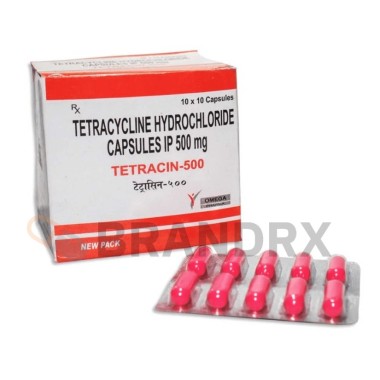
Tetracin 500 mg Pharmaceutical: Overview and Functionality Tetracin 500 mg Pharmaceutical is a power..
Tetracycline: Key Features and Common Principles of Operation
The Tetracycline category encompasses a specific group of antibiotics renowned for their broad-spectrum effectiveness against various bacterial infections. These products are primarily used to treat infections caused by susceptible strains of bacteria, as well as some protozoa. The fundamental operating principle behind all Tetracycline products is their ability to inhibit protein synthesis in bacterial cells, effectively preventing bacteria from growing and multiplying. This mode of action makes Tetracyclines incredibly versatile in fighting infections in different body systems, including respiratory, urinary, and skin infections.
Common features of Tetracycline antibiotics include their ability to be taken orally in tablet or capsule form, though some formulations may also be available for injection. They are often favored for their relatively low side effects compared to other antibiotics and their applicability in various clinical settings. Furthermore, Tetracyclines are known for their efficacy against both Gram-positive and Gram-negative bacteria, making them a popular choice among healthcare providers. Some products in the Tetracycline category are also used in combination therapies for more complex infections, underscoring their adaptability in treatment protocols.
Main Types of Tetracycline Products
The Tetracycline category includes several well-known antibiotics, with Tetracycline itself being the most recognized. Other notable products in this category include Doxycycline, Minocycline, and Oxytetracycline. Each of these antibiotics has unique properties and is used based on specific health conditions. For instance, Doxycycline is frequently prescribed for respiratory tract infections and is also effective in treating Lyme disease, whereas Minocycline is often used for acne management due to its anti-inflammatory properties.
These products come in various formulations, including oral tablets, capsules, and liquid forms. Injectable options are also available for hospital settings where immediate therapeutic effects are required. The choice among these various types often depends on the nature of the infection being treated, patient health status, and potential interactions with other medications.
Tetracycline vs. Other Antibiotic Categories
One of the key distinctions of Tetracycline products compared to other antibiotic categories lies in their broad-spectrum effectiveness. Unlike some antibiotics that target specific types of bacteria, Tetracyclines can treat a wider range of bacterial infections, which makes them an essential component of many treatment regimens. Additionally, they are less likely to be associated with antibiotic resistance when used judiciously, particularly compared to some newer antibiotics that may be prescribed too frequently.
Users should consider Tetracycline products for their diverse applications and historical effectiveness. They are often recommended in cases where first-line treatments are ineffective, with particular attention to potential allergies or resistance patterns noted in specific bacterial strains. However, it is essential to understand that inappropriate use can contribute to antibiotic resistance, so they should only be used under the supervision of a healthcare provider.
Long-term Effects and Considerations for Tetracycline Use
While Tetracycline products are highly effective, they do come with certain long-term effects and contraindications that users should keep in mind. Prolonged use can lead to dental discoloration and bone growth issues in developing children, which is why they are contraindicated for use in pregnant women and pediatric patients under the age of eight. Additionally, individuals with liver disease or certain kidney conditions should avoid Tetracycline due to the risk of exacerbating their health issues.
Long-term users should also be monitored for potential side effects such as gastrointestinal disturbances or allergic reactions. As such, regular consultations with a healthcare provider are essential to determine the appropriateness of continuing therapy and to manage any arising complications.
Practical Advice for Choosing Tetracycline Products
Choosing the right Tetracycline product involves consulting with a healthcare professional who can evaluate your specific health needs and recommend the most suitable option. It is crucial to provide your doctor with a complete medical history, including any allergies, concurrent medications, or existing health conditions that may influence treatment decisions.
When starting to use products in the Tetracycline category, adhere strictly to the prescribed dosage to reduce the risk of side effects and ensure effective treatment. It is also advisable to inform your doctor of any new symptoms or concerns during your course of treatment. Regular follow-up appointments can help monitor the effectiveness and tolerate the medication, enhancing overall treatment outcomes.
In summary, the Tetracycline category comprises versatile antibiotics that play a significant role in modern medicine. Understanding their use, potential side effects, and proper selection can help users effectively manage their health while minimizing risks.