
Spiramycin

42.00€
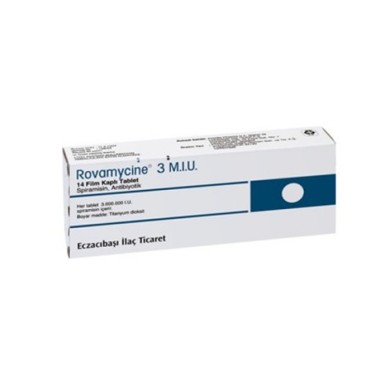
Rovamycine 3.000.000 iu Eczacibasi: An Overview of Its Function Rovamycine 3.000.000 iu Eczacibasi i..
46.00€
How Rovamycine Eczacibasi Addresses Specific Problems and User Needs Rovamycine Eczacibasi is design..
Understanding Spiramycin: An Overview
Spiramycin is a macrolide antibiotic primarily utilized to combat various bacterial infections. It plays a crucial role in treating conditions caused by specific strains of bacteria, particularly those affecting the respiratory tract and oral cavity. This category encompasses a range of formulations designed to facilitate effective treatment options for patients experiencing infections within these areas. By inhibiting bacterial protein synthesis, Spiramycin helps to curtail the proliferation of harmful microorganisms, ultimately alleviating symptoms and promoting recovery.
In a landscape where antibiotic resistance is a growing concern, Spiramycin stands out as an essential tool in the medical community's arsenal. It addresses a variety of user needs, including the necessity for effective treatment plans in outpatient settings and hospital environments alike. With its targeted action against specific bacteria, Spiramycin not only offers therapeutic benefits but also contributes to improved overall health outcomes for individuals suffering from bacterial infections.
Target Audience and Usage Context
The products within the Spiramycin category are primarily intended for adults and children suffering from bacterial infections that respond to macrolide antibiotics. Clinicians often prescribe Spiramycin for conditions such as pneumonia, bronchitis, tonsillitis, and other respiratory infections. It is especially beneficial in situations where patients may be allergic to penicillin or when the bacteria in question are resistant to other forms of treatment.
However, before embarking on any treatment involving Spiramycin, it is vital for users to consult with a healthcare professional. This step ensures that the chosen solution is appropriate for the individual's specific health needs and medical history. Certain contraindications may apply, as Spiramycin is not recommended for pregnant women, people with liver disorders, infants under a specific age, or those with known hypersensitivity to macrolide antibiotics. Understanding these limitations is crucial to ensure patient safety and maximize treatment efficacy.
Key Benefits of Spiramycin
Spiramycin offers a range of benefits and is particularly advantageous for specific groups of individuals. Its unique properties make it suitable for those who require effective and targeted treatment for bacterial infections. Some of the primary benefits include:
- Effective against a variety of bacterial strains
- Well-tolerated by most patients, minimizing gastrointestinal side effects common in other antibiotics
- Useful for individuals with penicillin allergies, providing an alternative treatment option
- Contributes to quicker recovery from bacterial infections
- Supports oral health by addressing infections in the mouth and throat
These benefits underscore Spiramycin's importance in managing bacterial infections, particularly for those who may not respond well to other antibiotics. By facilitating a targeted approach in treatment protocols, Spiramycin helps ensure both efficacy and safety for users, leading to improved health outcomes.
Core Value and Benefit of Spiramycin Products
The core value of Spiramycin products lies in their ability to provide effective treatment solutions for bacterial infections, a critical aspect of health care that cannot be overlooked. As antibiotic resistance continues to pose challenges for medical professionals, having reliable options like Spiramycin ensures that patients receive appropriate therapies tailored to their specific needs. This, in turn, reduces the risk of complications associated with untreated infections and fosters a healthier population.
In conclusion, the Spiramycin category represents an essential component in the treatment repertoire for bacterial infections. By effectively addressing user needs and providing critical health benefits, Spiramycin not only aids individual recovery but also supports the overarching goals of the healthcare system—promoting wellness and preventing the spread of infections. Therefore, understanding the appropriate use and benefits of Spiramycin is vital for both patients and healthcare providers in ensuring a healthier future.
