
Sirolimus
54.00€
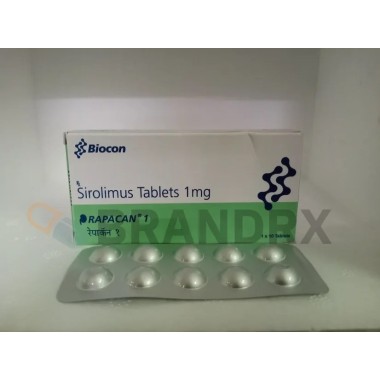
Rapacan 1 mg Pharmaceutical: Overview and Purpose Rapacan 1 mg Pharmaceutical is a medication primar..
Understanding Sirolimus: Core Principles and Characteristics
Sirolimus, also known as rapamycin, is a potent immunosuppressant that plays a crucial role in preventing organ transplant rejection and treating various medical conditions. What unifies all products within the Sirolimus category is their fundamental mechanism of action; they inhibit the mTOR (mechanistic target of rapamycin) pathway, a vital cellular pathway involved in cell growth, proliferation, and survival. This inhibition leads to reduced T-cell activation and proliferation, making Sirolimus invaluable in settings that require immune modulation.
Moreover, all Sirolimus-based products exhibit specific characteristics, such as their ability to enhance the efficacy of other immunosuppressants when used in combination, particularly in transplant patients. Additionally, these products often have a favorable side effect profile compared to traditional medications. Their targeted mechanism reduces overall immune system suppression, leading to a lower risk of many opportunistic infections associated with other immunosuppressive therapies. These core principles and characteristics make Sirolimus a cornerstone in modern therapeutic approaches.
Exploring the Varieties and Formats
The Sirolimus category encompasses several product types, primarily including oral tablets and liquid formulations. The oral tablets are typically preferred for their convenience and ease of dosing, while liquid formulations offer flexibility for patients who may have difficulty swallowing pills or need precise dosing adjustments. These products come in various strengths to cater to the specific needs of different patient populations, ensuring optimal therapeutic outcomes.
Furthermore, Sirolimus is available in both branded and generic forms, providing various options for prescribers and patients. This diversity allows for greater flexibility in treatment plans, facilitating the tailoring of therapy based on individual health profiles, insurance coverage, and budgetary considerations. Understanding these formats and types is essential for anyone considering treatment with Sirolimus.
Key Differentiators of Sirolimus in Medical Treatments
One of the most significant differences between Sirolimus and other related pharmaceutical categories, such as corticosteroids or older immunosuppressants, lies in its targeted action. While traditional immunosuppressants often broadly inhibit immune responses, Sirolimus selectively modulates the mTOR pathway, making it a highly effective option with potentially fewer systemic side effects. This specificity can lead to better patient compliance and an improved safety profile.
Moreover, Sirolimus has applications beyond organ transplantation, including certain cancer therapies and treatment for lymphangioleiomyomatosis (LAM), making it a versatile choice for healthcare providers. Users should specifically consider Sirolimus for its unique properties, which can lead to better overall outcomes, particularly in contexts where immune modulation with minimal side effects is crucial.
Long-Term Effects and Considerations for Use
The long-term effects of using Sirolimus are generally favorable, particularly in the context of organ transplantation, where it has been associated with improved graft survival rates when used optimally. Patients often report enhanced quality of life due to fewer side effects compared to more potent immunosuppressants. However, as with any medication, certain contraindications must be considered. Sirolimus is typically not recommended for pregnant women, individuals under 18, or those with specific medical conditions such as active infections or severe liver dysfunction.
Additionally, regular monitoring is necessary to avoid potential complications such as hyperlipidemia or impaired wound healing, highlighting the importance of a thorough evaluation before initiation. A comprehensive understanding of both the benefits and risks associated with Sirolimus therapy is pivotal in making informed treatment decisions.
Guidelines for Choosing and Utilizing Sirolimus Products
Choosing the right product from the Sirolimus category involves several considerations. Patients should start by consulting their healthcare providers to discuss their specific medical needs, existing health conditions, and any other medications they might be taking. This collaborative approach ensures that the chosen product is suitable and effective. Furthermore, understanding the available formulations can guide users in selecting the most appropriate form for their lifestyle and preferences.
Once a Sirolimus product is chosen, it’s essential to adhere strictly to the prescribed dosage and schedule to maximize therapeutic effectiveness and minimize side effects. Patients should also engage in regular follow-up appointments for monitoring drug levels and assessing overall health status. By fostering open communication with healthcare providers and remaining informed about their treatment, patients can optimize their use of Sirolimus and achieve better health outcomes.
