
Methylprednisolone

8.00€
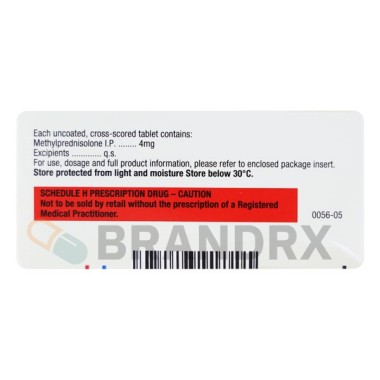
What is Medrol 4 mg Pfizer? Medrol 4 mg Pfizer is a prescription medication that belongs to a clas..
10.00€
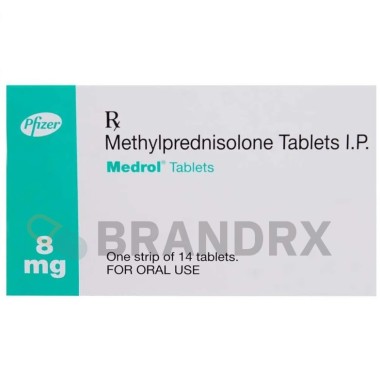
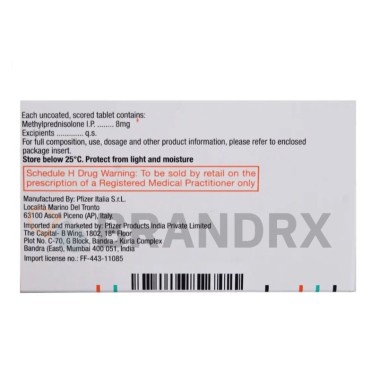
Medrol 8 mg Pfizer: Overview and Function Medrol 8 mg Pfizer is a prescription medication that belon..
Methylprednisolone: Overview and Main Purpose
Methylprednisolone is a synthetic corticosteroid medication that is primarily used to reduce inflammation and suppress the immune system. This powerful medication is particularly effective in treating a variety of conditions, including allergies, skin disorders, and certain autoimmune diseases. By mimicking the effects of hormones produced by the adrenal glands, Methylprednisolone helps to manage symptoms and improve the quality of life for individuals dealing with inflammatory conditions.
One of the main purposes of Methylprednisolone is to provide relief from the swelling, redness, and pain associated with various disorders. It is prescribed in different forms, including oral tablets and injectable solutions, depending on the needs of the patient. The versatility of Methylprednisolone makes it an essential tool in modern medicine, assisting healthcare professionals in managing complex medical conditions more effectively.
Typical Users and Application Contexts
The usage of this medication extends across a wide range of patient demographics and medical situations. Individuals suffering from severe allergies often turn to Methylprednisolone for relief when conventional antihistamines fail to provide adequate results. Additionally, it is commonly prescribed for patients with chronic inflammatory conditions such as rheumatoid arthritis, multiple sclerosis, and lupus.
Methylprednisolone is also utilized in emergency medical settings, particularly for acute exacerbations of asthma or chronic obstructive pulmonary disease (COPD). In these scenarios, the rapid anti-inflammatory effects of the drug can be life-saving. Furthermore, this corticosteroid is frequently administered to patients undergoing chemotherapy to counteract the inflammatory side effects associated with cancer treatment.
The medication's ability to swiftly alleviate symptoms makes it a go-to option for various specialists, including allergists, rheumatologists, and pulmonologists, all of whom play a role in its administration for targeted therapeutic strategies.
Strengths and Distinguishing Characteristics
Methylprednisolone stands out from other corticosteroids and medications in similar categories due to its unique pharmacological properties and application flexibility. One key feature is its potent anti-inflammatory action, which usually provides faster relief compared to non-steroid alternatives. This efficacy makes Methylprednisolone a first-line option in many clinical scenarios.
Unlike some other corticosteroids, Methylprednisolone typically has a lower incidence of side effects, making it more versatile for long-term management of chronic conditions. It is also available in diverse formulations, including a long-acting injectable version that offers extended therapeutic benefits. This flexibility in dosing and delivery allows healthcare providers to tailor treatments specifically to individual patient needs, ensuring optimal outcomes.
Moreover, the anti-inflammatory and immunosuppressive properties of Methylprednisolone help in varied therapeutic regimens, bridging its use across different specialties and conditions. This multifunctional characteristic is a significant reason why it remains a preferred choice for both physicians and patients.
Benefits of Methylprednisolone
Methylprednisolone offers numerous advantages that contribute to its widespread usage in clinical practice. Here are key benefits:
- Rapid Relief: Methylprednisolone is effective in alleviating symptoms quickly, making it ideal for acute conditions.
- Versatility: Available in multiple forms, it can be tailored for oral use or injections based on patient needs.
- Reduced Side Effects: Generally, it has a lower profile of side effects compared to other corticosteroids.
- Long-Lasting Effects: The injectable form can provide prolonged therapeutic effects, reducing the frequency of administration.
- Support for Chronic Conditions: It is beneficial in the long-term management of autoimmune and inflammatory disorders, improving patients' quality of life.
Important Considerations Before Choosing Methylprednisolone
Before opting for products in this category, it is crucial to consider several important factors. First and foremost, individuals should consult healthcare professionals to evaluate their specific medical history and any underlying conditions that might affect treatment.
Contraindications for Methylprednisolone include existing infections, certain endocrine disorders, and specific allergies to corticosteroids. It may also be unsuitable for individuals with peptic ulcer disease or those at risk for gastrointestinal bleeding. Moreover, patients should be cautious about potential interactions with other medications they are taking, as this could lead to adverse effects or reduced efficacy.
In summary, while Methylprednisolone can be a highly effective treatment option, a careful assessment of personal health status, along with professional advice, is essential to ensure safe and effective use. Understanding both the benefits and limitations of this category is vital for achieving the best therapeutic outcomes.