
Methotrexate
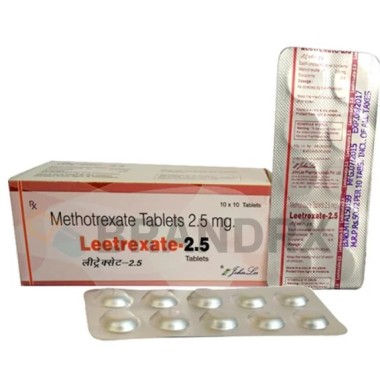
13.00€
General information about Leetrexate 2.5 mg Johnlee Pharmaceuticals Leetrexate 2.5 mg, produced by ..
Methotrexate: Understanding the Commonality Across Products
Methotrexate is a critical medication utilized in the treatment of various medical conditions, primarily in onco-hematology, rheumatology, and dermatology. The products falling under the Methotrexate category share a common working principle primarily involving the inhibition of cell proliferation and the modulation of the immune response. This drug acts as an antimetabolite, disrupting the synthesis of DNA and RNA, which ultimately leads to the reduction of inflammation and the control of autoimmune disorders.
Key features that unite all Methotrexate products include their ability to target rapidly dividing cells, making them effective for conditions like cancer and rheumatoid arthritis. Furthermore, they exhibit a range of formulations that allow for different delivery methods—such as oral, injectable, and intravenous—catering to the specific needs of various patient populations. These shared attributes make Methotrexate a versatile therapeutic agent with a wide spectrum of applications in modern medicine.
Forms of Methotrexate Release
The Methotrexate category encompasses several forms of drug release, each tailored to enhance therapeutic efficacy and patient compliance. The main types include oral tablets, injectable solutions, and infusions. Oral tablets are the most common form, allowing patients to self-administer the medication easily. They typically come in various dosages to accommodate individual treatment plans.
Injectable forms, including subcutaneous and intramuscular injections, are often preferred in cases where oral administration is not feasible, such as in patients with gastrointestinal issues or severe disease situations requiring immediate action. Furthermore, intravenous infusions may be utilized during hospital stays, especially in cancer treatments, providing rapid systemic delivery of the drug directly into the bloodstream. Each of these forms offers unique benefits and can be selected based on specific patient characteristics and medical requirements.
The Advantages of Choosing Methotrexate
Methotrexate stands apart from other pharmaceutical products due to its unique capacity to address complex medical conditions through its multifaceted mechanisms of action. Unlike many conventional medications that target specific symptoms, Methotrexate offers a holistic approach by regulating the immune system while also targeting rapidly proliferating cells. This dual action can yield significant improvements for patients with chronic conditions such as rheumatoid arthritis, psoriasis, and specific cancers.
Additionally, Methotrexate is often part of a multi-drug regimen that enhances overall therapeutic outcomes, setting it apart from single-use therapies. Its long history of clinical use has established a wealth of supportive research, proving both its safety and efficacy across diverse populations. Thus, patients dealing with chronic inflammatory or malignant diseases may find that Methotrexate particularly addresses their treatment needs, making it a valuable option in their healthcare arsenal.
Long-Term Effects and Considerations
The long-term effects of using Methotrexate can be substantial, with many patients experiencing significant alleviation of symptoms and improved quality of life. However, it is crucial to acknowledge that Methotrexate is not suitable for everyone. For instance, pregnant women or those breastfeeding should avoid Methotrexate due to its teratogenic effects, which can harm fetal development. Similarly, individuals with certain pre-existing conditions, including liver disease, severe renal impairment, or active infections, may face heightened risks and should seek alternative treatments.
Regular monitoring is recommended for those on Methotrexate to assess liver function and blood cell counts, as the medication can lead to potential side effects such as hepatotoxicity or bone marrow suppression. Understanding these contraindications and side effects is paramount to ensuring safe and effective use, enabling patients and healthcare providers to make informed decisions about therapy management.
Advice for Choosing and Using Methotrexate Products
When considering Methotrexate for treatment, it’s essential to engage in thorough discussions with a healthcare provider. Start by providing complete health history information, including current medications and any pre-existing conditions. This ensures that the prescribed Methotrexate regimen is safe and tailored to your individual needs.
Before beginning treatment, patients should also inquire about the different forms of Methotrexate available and discuss potential side effects. Regular follow-ups are vital for monitoring the treatment’s effectiveness and managing any adverse effects. It is often beneficial for patients to establish a routine to manage medication intake and documentation, thus facilitating adherence and enhancing treatment outcomes. Lastly, educating oneself about Methotrexate and its role in managing specific conditions can empower patients, helping them take an active part in their health management.