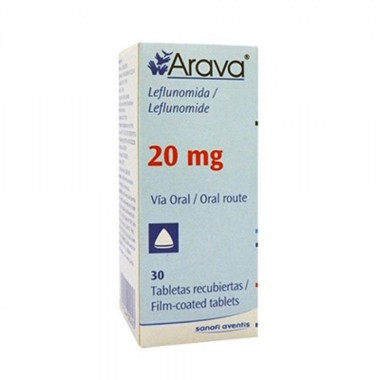
Lefumide 10 mg Cipla: Overview and Main Function
Lefumide 10 mg Cipla is a medication primarily used..
Showing 1 to 3 of 3 (1 Pages)
Understanding Leflunomide and Its Usage
Leflunomide is primarily used for treating autoimmune conditions such as rheumatoid arthritis and psoriasis. Patients typically seek this medication to manage their symptoms effectively, reduce inflammation, and improve their daily functioning. However, many users may harbor misconceptions regarding how this medication works and its potential side effects. For instance, some individuals might believe that Leflunomide offers a quick remedy for their symptoms, while in reality, it requires consistent usage over time to produce optimal results. Additionally, there may be confusion about the timeline for experiencing benefits, as the onset of improvement can vary significantly from person to person.
Common goals for users include achieving better control of their symptoms, preventing disease progression, and enhancing their quality of life. Understanding what Leflunomide can and cannot do is crucial for achieving treatment goals. It's also important for prospective users to gather comprehensive information regarding the medication's effects, safety, and likely outcomes alongside their healthcare provider’s advice.
Mechanism of Action and Key Parameters in Treatment
Leflunomide functions as a disease-modifying antirheumatic drug (DMARD). It works by inhibiting an enzyme known as dihydroorotate dehydrogenase, which is pivotal for the synthesis of pyrimidines needed for the proliferation of activated lymphocytes. This means that Leflunomide effectively curtails the activity of immune cells that contribute to inflammation and joint damage. Its dual action helps reduce symptoms while also slowing down the progression of the disease.
Several parameters are crucial when considering Leflunomide treatment. The dosage and duration of the medication are individualized components, as they can significantly impact efficacy. Monitoring liver function and screening for potential side effects such as gastrointestinal issues are essential parts of the treatment process. Furthermore, patient adherence to the prescribed regimen will ultimately influence the treatment's success and the overall outcome. Understanding these factors can help patients work closely with their healthcare professionals to optimize their treatment plans.
Leflunomide Compared to Other Autoimmune Treatments
When comparing Leflunomide to other autoimmune treatments, it is essential to understand the fundamental principles that guide each therapy's action. Autoimmune diseases can also be managed with corticosteroids, biologic agents, or other DMARDs, each of which operates through different pathways. Corticosteroids, for instance, are often used for their rapid anti-inflammatory effects in acute situations, but they may not provide long-term disease control and can lead to significant side effects.
Biologic agents target specific components of the immune system, offering precision that Leflunomide may not provide. However, these biologics often come with their own risk profiles and may require more intensive monitoring. Conventional DMARDs, such as methotrexate, share similarities with Leflunomide in their action but can differ in specific efficacy and tolerability for individual patients.
The choice of treatment often depends on various factors, including the severity of the disease, patient preference, side effect profiles, and previous treatment responses. Therefore, engaging in discussions with healthcare providers is critical to identify the appropriate treatment based on individual needs and circumstances.
Potential Limitations and Importance of Medical Guidance
As with any medication, Leflunomide is not devoid of limitations and contraindications. Patients with liver disease or those who are pregnant or planning to become pregnant should avoid this medication due to its potential harmful effects. Additionally, the presence of certain infections or a history of hypersensitivity may preclude the use of Leflunomide.
Side effects can range from mild issues, such as gastrointestinal discomfort and skin rashes, to more severe concerns, including liver toxicity or bone marrow suppression. Regular monitoring by healthcare professionals is essential to ensure that any complications arising during treatment are managed promptly.
Before starting Leflunomide or altering an existing treatment plan, it is crucial for patients to consult their healthcare providers extensively. A thorough assessment can help ensure that Leflunomide is appropriate for their specific circumstances and that accompanying safety precautions are taken.
Exploring Your Options with Leflunomide
Navigating the landscape of Leflunomide requires an informed approach. To explore this category effectively, start by reviewing trusted resources that provide data on the medication's efficacy, side effects, dosing information, and user experiences. Engaging in open dialogue with healthcare professionals can clarify any personal questions or concerns about treatment.
It’s advisable to look for forums or patient advocacy groups where individuals share their experiences and strategies related to Leflunomide. This can provide insights not only into managing the treatment effectively but also into maximizing its benefits while minimizing associated risks.
Overall, initiating a conversation with a healthcare provider is a critical first step when considering Leflunomide as part of an autoimmune treatment plan. With the right information and support, patients can make informed decisions tailored to their health needs and personal circumstances.
...
Merge with the product from the cart?
//
The main product of the bundle has already been added to the cart. Merge with the product from the cart or add the bundle to the cart?
Bundle
Customize bundle or add to cart?You can customize the bundle.
Bundle
Bundle
Merge with the product from the cart?
//
The main product of the bundle has already been added to the cart. Merge with the product from the cart or add the bundle to the cart?