
Isotretinoin and Erythromycin
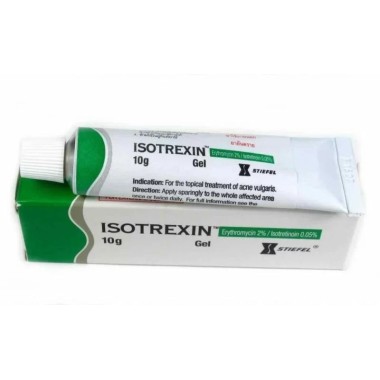
30.00€
Understanding Isotrexin Gel (munderm) Glaxosmithkline: An Overview Isotrexin Gel (munderm) Glaxosmi..
Understanding Isotretinoin and Erythromycin
Individuals searching for solutions to acne often aim for clear, healthy skin, improved confidence, and the reduction of acne-related scars. Misunderstandings about medications like Isotretinoin and Erythromycin are common. Some people may confuse these medications, thinking they serve the same function or have identical side effects. Yet, they differ significantly in their mechanisms and uses. While Isotretinoin is primarily aimed at severe acne cases, particularly cystic acne, Erythromycin is an antibiotic that tackles bacterial growth, often used for milder acne conditions. Users must understand these distinctions to make informed decisions about their treatments.
The Internal Mechanisms of Treatment Categories
The category encompassing Isotretinoin and Erythromycin is fundamentally about the treatment of acne through various mechanisms. Isotretinoin works by affecting the oil glands in the skin, reducing sebum production, which is a key contributor to acne. It also accelerates skin cell turnover, preventing pores from becoming clogged. On the other hand, Erythromycin functions primarily as an antibiotic, targeting bacteria responsible for acne, specifically Propionibacterium acnes. The effectiveness of these medications relies on factors such as skin type, severity of acne, and overall health, underscoring the importance of a tailored approach to treatment. Understanding the internal dynamics of these medications can guide users toward the best personal choice for their conditions.
Comparative Insights on Acne Treatment Options
When analyzing the broader landscape of acne treatment options beyond Isotretinoin and Erythromycin, one can see distinct categories, including topical medications, hormonal treatments, and over-the-counter solutions. Topical medications often include retinoids or benzoyl peroxide and are aimed at mild to moderate acne. Hormonal treatments target the hormonal imbalance that can exacerbate acne, particularly in women. Over-the-counter options might offer less potent solutions suitable for early-stage acne. Each category adheres to specific underlying principles, such as addressing inflammation, reducing bacteria, or normalizing oil production. By understanding how these categories compare, individuals can better navigate their choices and consult healthcare professionals more effectively.
Limitations and Professional Guidance Needs
Despite the effectiveness of medications like Isotretinoin and Erythromycin, there are limitations and contraindications that potential users should keep in mind. Isotretinoin, for instance, can have severe side effects, such as birth defects if taken during pregnancy, and requires rigorous monitoring throughout treatment. Erythromycin, while generally milder, can lead to antibiotic resistance if used long-term or improperly. Both medications necessitate a healthcare provider's oversight to ensure safe usage. Professionals can evaluate patient history and specific conditions, guiding users to the most appropriate treatment path and minimizing risks associated with unqualified use.
Exploring Your Options with Isotretinoin and Erythromycin
For those interested in diving deeper into the treatment landscape, there are several pathways to explore within this category. First, users can examine the actual medications available, understanding the differences in forms such as pills, topical gels, or creams. Additionally, consider the spectrum of treatment efficacy, durations, and expected outcomes discussed with healthcare providers. Reading patient testimonials and resources can provide a well-rounded perspective on others' experiences with Isotretinoin and Erythromycin. Utilizing reputable medical websites can further enhance understanding and facilitate informed discussions with healthcare professionals. By prioritizing knowledge and professional advice, users can navigate this complex category more confidently.