
Isopropyl alcohol
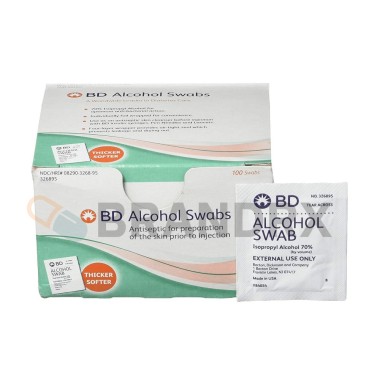
4.00€
General overview of Alcohol Swab Becton Dickinson In the realm of healthcare and personal hygiene,..
Isopropyl alcohol: Description and Main Properties
Isopropyl alcohol, also known as isopropanol or 2-propanol, is a colorless, flammable chemical compound with a strong odor. It is an alcohol that is widely used in various industries due to its antiseptic, disinfectant, and solvent properties. Isopropyl alcohol is a versatile substance that is commonly found in medical, household, and industrial products.
This compound has a molecular formula of C3H8O and is part of the alcohol family. One of its key characteristics is its ability to dissolve non-polar compounds, making it an effective solvent. Isopropyl alcohol typically contains a concentration of 70% isopropanol for disinfecting and antiseptic purposes, which is optimal for killing bacteria and viruses. At lower concentrations, it may be less effective, while higher concentrations can be irritating to skin and respiratory systems.
The chemical properties of isopropyl alcohol allow it to evaporate quickly while also providing a cooling sensation upon application. This quality makes it an ideal choice for a variety of applications, from skin antiseptics to cleaning agents. It is frequently used in hand sanitizers, antiseptic wipes, and other personal care products.
In summary, isopropyl alcohol is valued for its effectiveness in sanitizing, cleaning, and general use across multiple industries. Its unique combination of alkalinity, solvent properties, and ability to evaporate rapidly enhances its appeal in both medical and household applications.
Dosage Guidelines and Intake Regimen
When it comes to the use of isopropyl alcohol, understanding the appropriate dosage and regimen is essential for safety and effectiveness. In general, isopropyl alcohol is used externally for its antiseptic properties, and it is important not to ingest or inject it under any circumstances.
For topical application, a common method is to use 70% isopropyl alcohol to ensure that the alcohol is effective in killing bacteria and viruses. Here are some guidelines for using isopropyl alcohol safely:
- Before applying, clean the area of skin to remove any dirt or debris.
- Apply a sufficient amount of isopropyl alcohol to the skin using cotton balls, swabs, or pads.
- Allow the alcohol to dry on the skin without wiping it away to maximize its effectiveness.
It is important to note that isopropyl alcohol should not be applied to large areas of broken skin or open wounds, as it may cause irritation or excessive dryness. Additionally, it is crucial to keep isopropyl alcohol away from sensitive areas such as the eyes and mucous membranes. If irritation or an adverse reaction occurs, it is advisable to wash the area with soap and water and seek medical advice if necessary.
In terms of environmental safety, isopropyl alcohol should always be kept in well-ventilated areas to prevent inhalation of fumes. Storing isopropyl alcohol in a cool and dry place, away from heat sources and open flames, will minimize risks associated with its flammable nature.
Advantages and Practical Benefits of Isopropyl Alcohol for Athletes
Isopropyl alcohol has gained recognition within the athletic community for its multiple advantages, particularly for those engaged in intense physical activities. Athletes often face various challenges related to hygiene, injury prevention, and recovery, and isopropyl alcohol serves as a valuable tool in addressing these concerns.
- Effective disinfectant: It helps reduce the risk of infections by sanitizing hands and equipment before and after workouts.
- Quick-drying properties: Its rapid evaporation ensures that it can be applied and allowed to dry quickly between training sessions.
- Cooling effect: The sensation of cooling provides relief for athletes experiencing overheating during intense physical exertion.
- Surface cleaner: It can be used to clean sports gear and surfaces involving contact to maintain hygiene practices.
- Muscle relief: Some athletes use diluted isopropyl alcohol to massage sore muscles and relieve tension after workouts.
Overall, isopropyl alcohol’s ability to function as a sanitizer, surface cleaner, and muscle reliever has solidified its status as a staple for those involved in sports. This category is particularly suitable for athletes who regularly participate in high-contact sports, work out in gyms, or engage in outdoor activities where hygiene is a concern.
What to Pay Attention to When Using This Category
While isopropyl alcohol offers various benefits, it is important to consider precautions and potential contraindications when using this substance. Athletes and individuals alike should adhere to safety recommendations to prevent adverse effects.
Some key considerations include:
- Consultation: Always consult with a healthcare professional before incorporating isopropyl alcohol into your routine, especially if you have pre-existing skin conditions or respiratory issues.
- Skin irritation: Isopropyl alcohol can be drying; therefore, it is advisable to follow up with a suitable moisturizer if applied to the skin.
- Ingestion risk: Never ingest or apply isopropyl alcohol to large areas of broken skin or open wounds, as this can lead to systemic toxicity and severe reactions.
- Storage: Keep isopropyl alcohol away from children and pets to prevent accidental ingestion or misuse.
- Allergic reactions: Individuals with allergies to alcohol or similar compounds should refrain from using isopropyl alcohol.
It is crucial to be aware that isopropyl alcohol is not suitable for pregnant women, infants, or individuals with certain autoimmune diseases. Always prioritize safety and seek professional guidance when necessary to ensure the responsible use of isopropyl alcohol.