
Gabapentin

72.00€
What Defines Gabapin 800 mg Intas Pharmaceuticals Gabapin 800 mg Intas Pharmaceuticals is a medicati..
18.00€
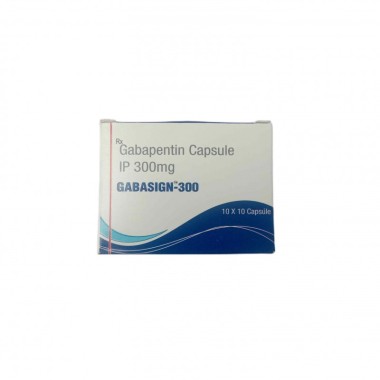
Gabasign 300 mg Signature Pharmaceuticals Ltd. Gabasign 300 mg Signature Pharmaceuticals Ltd. is a p..
36.00€
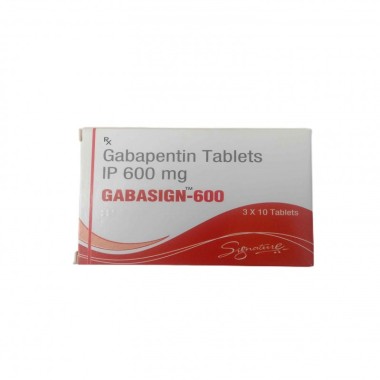
Overview of Gabasign 600 mg Signature Pharmaceuticals Ltd. and its main properties Gabasign 600 mg S..
42.00€
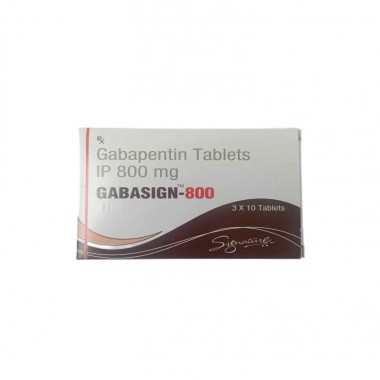
What Specific Problems and User Needs Gabasign 800 mg Signature Pharmaceuticals Ltd. Helps to Addres..
48.00€
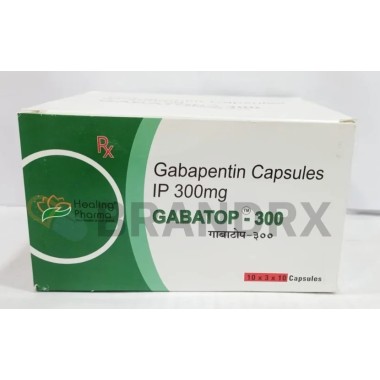
Description of Gabatop 300 mg Healing Pharma Gabatop 300 mg Healing Pharma is a pharmaceutical produ..
Gabapentin: Understanding Its Role and Purpose
Gabapentin is a medication primarily used to treat nerve-related conditions and offers significant therapeutic benefits for individuals suffering from chronic pain, epilepsy, and certain anxiety disorders. Originally conceived as an anticonvulsant, Gabapentin has gained broader applications over the years, effectively managing neuropathic pain and improving the quality of life for many patients. Its ability to modulate the activity of neurotransmitters makes it a valuable option for healthcare providers looking to alleviate various symptoms associated with nerve dysfunction.
This medication works by influencing the way nerves send messages to the brain, thereby helping to reduce the perception of pain and discomfort. As part of the pharmaceutical landscape, Gabapentin stands out due to its versatility and effectiveness, making it a frequently prescribed option for conditions that do not always respond to traditional pain management approaches. It is critical for individuals to understand the role of Gabapentin within the broader context of nervous system disorders and the importance of professional guidance when considering its use.
Common Users and Applicative Contexts
Gabapentin is typically utilized by individuals experiencing conditions such as neuropathic pain, postherpetic neuralgia, and epilepsy. It is often prescribed to adults and older adults who may suffer from diabetic nerve pain or chemotherapy-induced neuropathy. Patients dealing with restless leg syndrome and certain anxiety disorders may also find Gabapentin beneficial in managing their symptoms.
In clinical settings, healthcare providers often turn to Gabapentin for patients who are not responding well to standard treatments or those who may require adjunctive therapy. Its use is prevalent in pain management clinics, neurology practices, and psychiatric settings, reflecting its adaptability to various patient needs. Moreover, Gabapentin is often seen in multimodal pain management strategies, highlighting its role in comprehensive treatment plans.
Distinctive Characteristics of Gabapentin
What sets Gabapentin apart from related medication categories is its specific mechanism of action and its side effect profile. Unlike traditional opioids that operate by blocking pain receptors, Gabapentin alters the way the brain perceives pain without the risk of significant addiction or dependency associated with those stronger medications. This characteristic makes Gabapentin a preferred option in specific pain management scenarios.
Additionally, Gabapentin is known for its relative safety and lower potential for misuse compared to other analgesics. It tends to have fewer severe side effects, which allows for its use across a broader demographic, including those who may already be on a regimen of other medications. The ability to take Gabapentin both as a standalone treatment and as part of a combination therapy further distinguishes it from its peers in the medicinal landscape.
Key Benefits of Gabapentin
Gabapentin offers numerous advantages to its users, making it a compelling option for managing various health issues. The following are some key benefits associated with this medication:
- Effective management of neuropathic pain, providing relief for conditions that traditional pain medications may not address.
- Reduces the frequency and severity of seizures in patients with epilepsy, allowing for better seizure control.
- Helps to improve sleep quality in patients suffering from insomnia related to chronic pain conditions.
- Relatively low risk of dependency, making it safer for long-term use compared to narcotic pain medications.
- Can be used as part of a multi-modal treatment strategy, often enhancing the overall effectiveness of pain management approaches.
Important Considerations Before Choosing Gabapentin
While Gabapentin presents various benefits, it is essential for potential users to consider several factors before beginning treatment. Some contraindications include a history of hypersensitivity to the drug or its components, as well as existing renal impairment, which may necessitate dosage adjustments. Additionally, individuals currently taking certain medications may experience interactions, making it crucial to disclose all current medications to a healthcare provider.
Side effects such as dizziness, fatigue, and potential cognitive impairment may occur, which can impact daily functioning. Consequently, patients should approach treatment with caution, particularly during the initial phases of therapy when side effects are more likely to manifest. Consulting with a healthcare professional is necessary to ensure that Gabapentin is a suitable option based on individual health profiles and treatment goals.
In conclusion, Gabapentin represents a versatile medication with significant therapeutic potential for various nerve-related conditions. Understanding its unique properties and the contexts in which it is most beneficial equips users with the knowledge needed to make informed decisions regarding their health. Proper medical guidance is always recommended to optimize treatment outcomes.
