
Fusidic acid
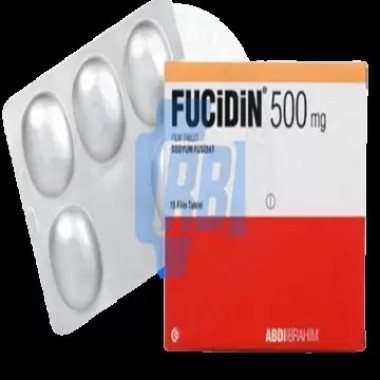
40.00€
FUCIDIN 500 mg Abdi Ibragim role in sports pharmacology FUCIDIN 500 mg Abdi Ibragim is a clinically..
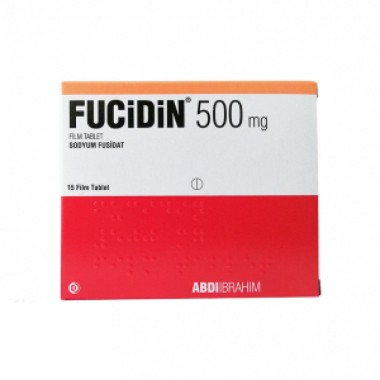
58.00€
Understanding Fucidin Abdi Ibragim Fucidin Abdi Ibragim is a topical antibiotic that is primarily us..
Fusidic Acid: An Overview
Fusidic acid represents a crucial category of pharmaceuticals primarily utilized for the treatment of bacterial infections. Its unique mechanism of action allows it to target various strains of bacteria, particularly those that are both sensitive and resistant to other antibiotic treatments. This capability makes Fusidic acid a valuable option in the field of infection therapy. As an antibiotic, Fusidic acid is commonly formulated into different preparations including creams, ointments, and oral medications, enabling its use across a range of clinical scenarios. The primary purpose of Fusidic acid is to inhibit bacterial protein synthesis, effectively halting the growth of bacteria and aiding in the resolution of infections. Through its focused application, Fusidic acid has established itself as an essential tool in both outpatient and inpatient healthcare settings.
Typical Users and Contexts of Use
The users of Fusidic acid typically include individuals seeking treatment for skin infections, such as impetigo or infected wounds. It is often prescribed for patients who have not responded adequately to conventional antibiotics, highlighting its role in resistant bacterial infections. Common contexts for Fusidic acid application include dermatological clinics, general practice offices, and hospital settings, where healthcare professionals may encounter cases that necessitate specialized antibiotic therapy. Additionally, Fusidic acid is found in a variety of demographic groups, from children with common skin infections to adults grappling with more complex conditions. This versatility underscores the drug's broad spectrum of applicability and its importance in combating bacterial pathogens in various clinical environments.
The Strengths of Fusidic Acid
Fusidic acid holds several strengths and unique characteristics that distinguish it from other antibiotics in the market. Firstly, its effective action against both Gram-positive bacteria, including Staphylococcus aureus, and certain Mycobacterium species allows it to address a range of bacterial infections that may otherwise prove difficult to treat. Furthermore, the localized application of Fusidic acid in cream or ointment form minimizes systemic exposure, thereby reducing the risk of side effects often associated with oral antibiotics. Moreover, it is regarded for its low likelihood of developing resistance compared to other antibiotic classes, making it a preferred choice for long-term and repeated use in some cases. Additionally, Fusidic acid's compatibility with other antimicrobial treatments enhances its therapeutic efficacy, allowing it to be used as part of combination therapies to achieve optimal patient outcomes. Such strengths have firmly established Fusidic acid as a vital option in antibiotic therapy.
Benefits of Fusidic Acid
There are several key advantages associated with the use of Fusidic acid in clinical practice, which include:
- Effective against a broad range of bacterial infections, particularly those caused by resistant strains.
- Minimized systemic side effects due to localized application methods.
- Lower risk of resistance development compared to other antibiotics.
- Compatibility with other medications, allowing for combination treatments.
- Suitable for various age groups and types of infections, enhancing its versatility in medical care.
These benefits position Fusidic acid as both a practical and effective choice for healthcare providers in managing bacterial infections effectively.
Important Considerations Before Use
While Fusidic acid offers various benefits, there are several important considerations that should be taken into account before selecting products from this category. Healthcare professionals must assess the patient’s individual health status, as contraindications include known hypersensitivity to Fusidic acid or its components. Additionally, it is crucial to evaluate the potential for interactions with other medications, especially in patients on multiple drug therapies. Monitoring is recommended, particularly in pediatric patients and those with existing comorbidities. Furthermore, patients should be informed about the importance of adhering to prescribed dosages and duration of therapy to optimize the treatment outcome. By taking these considerations into account, healthcare providers can ensure that they maximize the safety and effectiveness of Fusidic acid in treating infections.