
Esomeprazole
18.00€
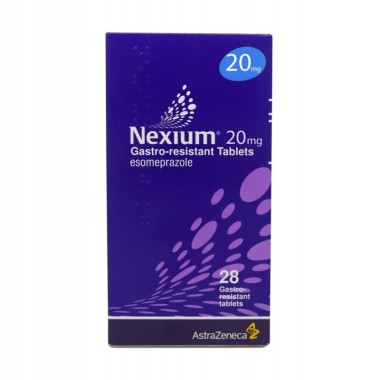
Nexium 20 AstraZeneca: What It Is and Its Main Function Nexium 20 AstraZeneca is a medication primar..
24.00€
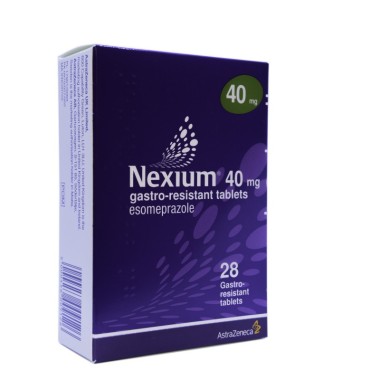
Overview of Nexium 40 AstraZeneca and its main properties Nexium 40 AstraZeneca is a prescription me..
Understanding the Esomeprazole Category
The Esomeprazole category is centered around a class of medications known as proton pump inhibitors (PPIs), which play a crucial role in managing conditions related to excess stomach acid. All products in this category operate primarily by inhibiting the proton pump in the stomach lining, effectively reducing the production of gastric acid. This acid reduction is vital for individuals suffering from conditions such as gastroesophageal reflux disease (GERD), peptic ulcers, and Zollinger-Ellison syndrome. Common features of Esomeprazole products include their acid-suppressive action, their effectiveness in providing relief from heartburn and acid reflux, and their ability to promote healing of esophageal tissues damaged by prolonged exposure to acid. By creating a less acidic environment in the stomach, these products help alleviate symptoms and enhance quality of life for countless individuals.
The Forms of Esomeprazole Products
Esomeprazole is available in several forms, accommodating different preferences and medical needs. The most common types include oral tablets and intravenous formulations. The oral tablets come in delayed-release formulations, allowing for optimal absorption and effectiveness. There are also over-the-counter options available for those who may not require prescription-strength medication. These various forms ensure that users can find a suitable option whether they prefer taking medication at home or require it in a clinical setting. Additionally, the availability of different dosages allows for personalized treatment plans tailored to specific medical conditions.
Differences from Other Categories and Why Choose Esomeprazole
What sets Esomeprazole apart from other categories of acid-reducing medications, such as H2-receptor antagonists, is its superior efficacy in managing severe acid-related disorders. While both categories reduce stomach acid, Esomeprazole provides a more significant decrease in gastric acid secretion and offers a longer duration of action. This makes it more effective for patients with chronic conditions that require consistent acid suppression. Users should consider Esomeprazole not only for its rapid relief from symptoms but also for its potential in promoting healing of the esophagus and preventing recurrence of ulcers. For those struggling with severe heartburn or refractory GERD, Esomeprazole stands out as a reliable option for long-term management.
Long-Term Effects and Contraindications for Esomeprazole Use
While Esomeprazole is generally well-tolerated, it is essential to be aware of potential long-term effects and contraindications. Prolonged use of PPIs, including Esomeprazole, has been associated with certain risks, such as nutrient malabsorption, particularly of magnesium and calcium, which can lead to bone density issues. It is crucial for users to discuss their treatment plans with healthcare providers, especially if they intend to use Esomeprazole for an extended period. Additionally, this medication is not recommended for pregnant women, children, or individuals with specific underlying conditions, such as certain liver diseases. Therefore, understanding one's health profile is vital before starting treatment.
Practical Advice for Choosing and Using Esomeprazole
When considering the use of products in the Esomeprazole category, consult with a healthcare professional to determine the most suitable option based on your specific medical condition and history. Factors to consider include the severity of your symptoms, any existing medical conditions, and other medications you may be taking that could interact with Esomeprazole. It is also advisable to start with the lowest effective dose for the shortest period necessary. Monitoring for side effects and maintaining an open dialogue with your healthcare provider will help in adjusting your treatment as required. Finally, adopting lifestyle changes, such as dietary modifications and weight management, can further enhance the effectiveness of Esomeprazole in managing acid-related disorders. By staying informed and proactive, users can effectively navigate their treatment journey with Esomeprazole products.