
Escitalopram
18.00€
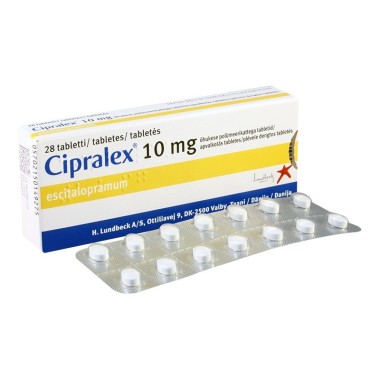
Cipralex 10 Lundbeck: An Overview of This Antidepressant Medication Cipralex 10 Lundbeck is a prescr..
72.00€
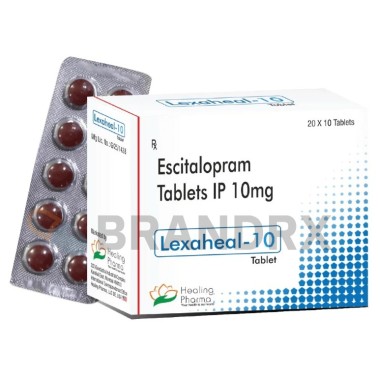
General information about Lexaheal 10 mg Healing Pharma Lexaheal 10 mg Healing Pharma is a notable ..
90.00€
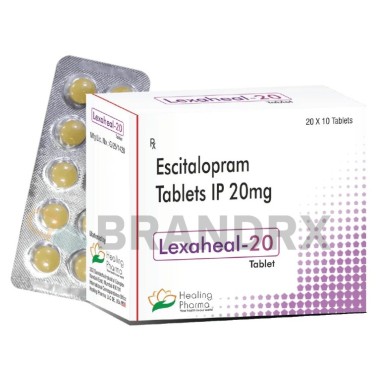
General information about Lexaheal 20 mg Healing Pharma Lexaheal 20 mg from Healing Pharma is a spec..

36.00€
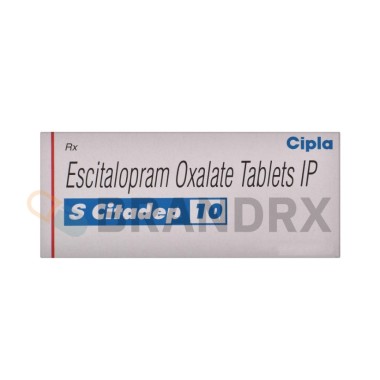
S Citadep 10 mg Cipla: A Comprehensive Overview S Citadep 10 mg Cipla is a pharmaceutical product t..
50.00€
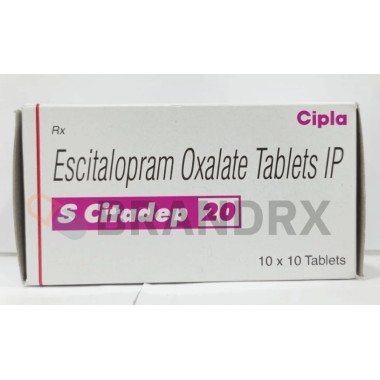
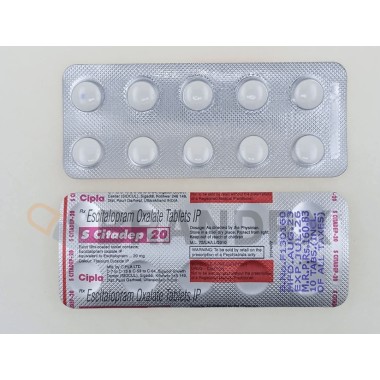
S Citadep 20 mg Cipla: An Overview S Citadep 20 mg Cipla is a prescription medication primarily used..
28.00€
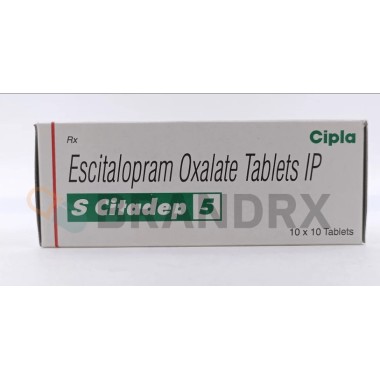
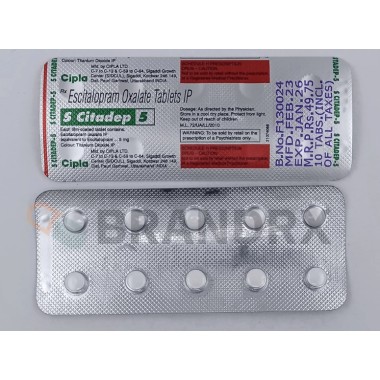
S Citadep 5 mg Cipla: A Comprehensive Overview S Citadep 5 mg Cipla is a medication primarily used f..
Buy Escitalopram in the USA
Escitalopram is a widely recognized medication primarily used for treating major depressive disorders and generalized anxiety disorders. Its unique properties make it stand out among selective serotonin reuptake inhibitors (SSRIs), as it is designed to effectively increase serotonin levels in the brain, promoting improved mood and emotional stability. Patients looking for effective mental health solutions will find that Escitalopram offers various release forms, including tablets and oral solutions, which cater to individual preferences and needs. These forms allow for a more tailored approach, addressing specific considerations related to dosage and ease of administration.
The main effects of Escitalopram extend beyond mere symptom relief. Users often report enhancements in overall quality of life, reduction in anxiety levels, and a notable shift towards a more balanced emotional state. This makes it ideal for individuals who are confronting stressors that trigger anxiety and depression. This medication is particularly suitable for adults as well as adolescents over the age of 12 who experience these troubling symptoms. Escitalopram is characterized by its consistent effectiveness and predictable progress metrics, allowing for a more structured treatment journey.
How to structure practical use
The half-life of Escitalopram ranges from approximately 27 to 32 hours, which provides flexibility in treatment regimens. Typically, healthcare professionals recommend a daily dose split to enhance absorption and mitigate potential side effects. For instance, starting with a lower dose ensures that the body gradually adapts to the compound without overwhelming the system. Patients should consistently take their medication at the same time every day to streamline the process and maintain a stable concentration of the drug in the bloodstream.
To minimize gastrointestinal discomfort, it’s urged to ingest Escitalopram with food or at least a light snack. This can significantly help in easing any upset stomach that may occur, particularly during the initial intake phase. Maintaining a consistent routine plays a crucial role in overall effectiveness, as stable concentrations promote better results. Patients should remember to adhere to the recommended intake and consult healthcare providers for tailored advice on optimizing their experience with this medication.
Duration and working ranges
The standard course duration for Escitalopram typically ranges from 6 to 12 weeks, depending on individual circumstances. Patients may begin to notice improvements within the first few weeks; however, significant and measurable results often manifest around the 8- to 12-week mark. This underscores the importance of patient commitment and adherence to prescribed dosages. Those new to medications of this nature are commonly recommended a lower starting dose, with gradual increases to optimize therapeutic effects and minimize side effects.
It is essential to take into account various factors that may influence the medication's effectiveness. Aspects such as physical training, quality of sleep, and nutrition can impact the overall treatment outcome. Those engaging in intense training should consider consulting with healthcare providers to tailor their Escitalopram dosage effectively. Ultimately, custom-tailoring treatment allows for a nuanced approach, ensuring each patient receives individualized support during their journey.
State monitoring and expected dynamics
In managing long-term Escitalopram courses, regular laboratory monitoring becomes crucial. Essential indicators to keep under check include liver enzymes, hemoglobin levels, and blood pressure readings, among others. Based on initial therapy phases, patients can expect to see the first signs of effectiveness materialize around the 4- to 6-week period. This early monitoring aids in determining the right trajectory for continued therapy and helps identify any necessary adjustments in treatment plans promptly.
Post-cycle outcome maintenance is just as significant, and patients are often encouraged to engage in strategies that reinforce gains acquired during therapy. Following a well-structured post-cycle therapy can assist in sustaining positive effects while minimizing any potential withdrawal symptoms. A proactive attitude towards monitoring and ongoing consultation with healthcare professionals fosters an environment ripe for achieving lasting improvement.
Monitoring during intense training
Keeping a detailed diary of key health indicators is fundamental, especially for individuals involved in intense training regimens. Symptoms requiring careful attention include persistent fatigue, mood fluctuations, and significant changes in sleep patterns. Recording these changes can empower patients and their healthcare providers to make informed adjustments to their treatment plans. Consultation is crucial, as combining Escitalopram with exercise-related supplements or medications may require some caution.
Safety and results when using Escitalopram
Prior to commencing Escitalopram therapy, a comprehensive health assessment is paramount to gauge overall safety and effectiveness. This includes understanding individual risk factors and laying out an informed treatment path. There are several contraindications that need to be addressed, including liver function disorders, heart and vascular diseases, existing oncological conditions, pregnancy and breastfeeding periods, age restrictions for individuals under 21, as well as personal drug intolerance.
To ensure safe administration, patients should undergo necessary medical examinations before beginning the treatment, which may include blood tests and comprehensive health evaluations. These precautions not only protect individual health but also enhance the overall effectiveness of the treatment, encouraging a positive therapeutic outcome. Patients are invited to engage in continuous dialogue with their healthcare providers, facilitating a well-managed approach to mental health with Escitalopram while maximizing benefits and minimizing risks.