
Cyproheptadine Hydrochloride
7.00€
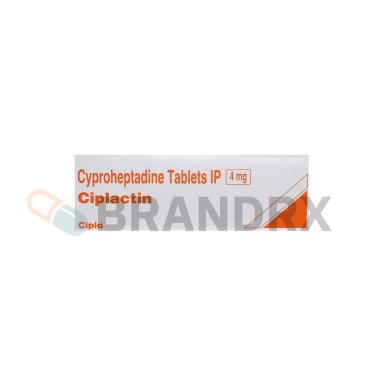
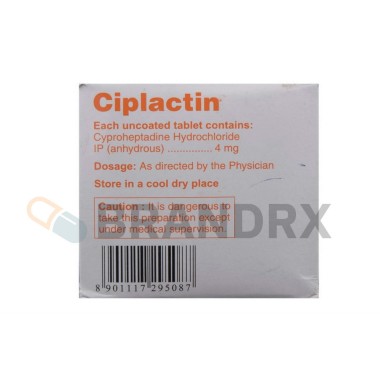
What Ciplactin 4 mg Cipla is used for Ciplactin 4 mg Cipla is a medication that serves multiple purp..
Cyproheptadine Hydrochloride: An Overview of Its Purpose and Functionality
Cyproheptadine Hydrochloride is an antihistamine that is primarily used to alleviate allergy symptoms and to stimulate appetite. This medication is well-recognized for its dual action as both an antihistamine and a serotonin antagonist. Its unique properties make it effective in treating various conditions related to allergies, including hay fever and other allergic rhinitis symptoms. Furthermore, it is often prescribed for patients who experience significant weight loss or lack of appetite due to medical conditions. Beyond its applications in allergic reactions, Cyproheptadine Hydrochloride exhibits effectiveness in managing other conditions, reinforcing its versatile role in modern medicine.
Typical Users and Contexts for Cyproheptadine Hydrochloride
The typical users of Cyproheptadine Hydrochloride primarily include individuals suffering from allergic reactions and those needing appetite stimulation. This demographic often encompasses children, teenagers, and adults facing challenges related to food intake due to various health issues. Healthcare providers may prescribe this medication to patients undergoing treatments that have significantly affected their appetite, such as chemotherapy or chronic illnesses like cancer. It is also commonly utilized in pediatric populations to manage allergies and to stimulate weight gain in underweight children. Overall, this medication finds its place in both everyday healthcare settings and specialized treatment plans for particular health conditions.
The Strengths and Distinguishing Characteristics of Cyproheptadine Hydrochloride
Cyproheptadine Hydrochloride stands out from other antihistamines through several key strengths and distinguishing characteristics. Unlike first-generation antihistamines, which are typically known for causing sedation, Cyproheptadine also targets serotonin receptors which contributes to its unique appetite-stimulating abilities. Its comprehensive approach to treatment differentiates it from other antihistamines that primarily focus on histamine receptor blockade. Furthermore, Cyproheptadine is relatively inexpensive and widely accessible, making it a viable option for many patients. Additionally, the medication has a longer half-life, allowing for less frequent dosing compared to many of its counterparts. This extended duration of action offers convenience for patients seeking consistent symptom relief without the need for multiple doses throughout the day.
The Benefits of Cyproheptadine Hydrochloride
Using Cyproheptadine Hydrochloride comes with a variety of benefits that can improve quality of life for many patients. The key advantages are as follows:
- Effective relief from allergy symptoms such as sneezing, runny nose, and itchy or watery eyes.
- Dual action as both an antihistamine and appetite stimulant, making it suitable for diverse therapeutic applications.
- Longer half-life allows for less frequent dosing, enhancing patient compliance.
- Generally well-tolerated with a relatively low incidence of adverse effects compared to other medications in its class.
- Cost-effective option for allergy treatment and managing weight-related issues, making it accessible for a wider range of patients.
Considerations Before Choosing Cyproheptadine Hydrochloride Products
Before selecting products containing Cyproheptadine Hydrochloride, it is crucial to consider several important factors, particularly potential contraindications. Individuals with known hypersensitivity to Cyproheptadine or any of its components should avoid this medication. Additionally, it may not be suitable for patients with certain medical conditions, such as glaucoma, urinary retention, or severe hypertension. Pregnant or breastfeeding women should discuss the risks and benefits with their healthcare provider prior to use. Finally, caution is advised when prescribing Cyproheptadine to elderly patients due to their increased sensitivity to the sedative effects and potential for drug interactions. Proper evaluation and consultation with a healthcare provider can ensure safe and effective use of this medication in managing a patient's health concerns.