
Clonidine
21.00€
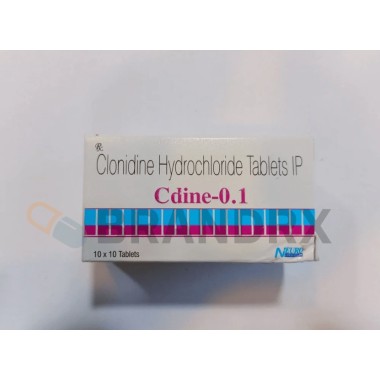
Cdine 0.1 mg Neuro Lifesciences: Overview and Key Functions Cdine 0.1 mg Neuro Lifesciences is a pha..
Showing 1 to 1 of 1 (1 Pages)
Understanding the Clonidine Category: Role and Significance in Consumer Life
The Clonidine category encompasses a range of medications primarily used to treat conditions such as hypertension, attention deficit hyperactivity disorder (ADHD), and certain pain disorders. Clonidine itself is an alpha-2 adrenergic agonist that acts on the brain to lower blood pressure and reduce hyperactivity. Due to its unique pharmacological profile, it is also employed in the management of withdrawal symptoms from opioid dependence and as an adjunct treatment for anxiety disorders. In the US market, Clonidine has carved out a distinct niche, appealing to a diverse group of consumers, including those seeking effective management solutions for chronic health conditions and behavioral issues. This category's significance is underscored by its role in improving the quality of life for patients dealing with such ailments. As awareness and understanding of mental health and chronic conditions grow, the Clonidine category continues to gain importance within therapeutic regimens.Key Characteristics and Principles of Clonidine Products
Products in the Clonidine category share several key characteristics that define their use and effectiveness. Understanding these attributes is essential for both healthcare professionals and consumers. Here are some fundamental principles associated with Clonidine products: 1. Indications: Clonidine is indicated for managing hypertension, ADHD, and certain pain conditions. It may also be used off-label for other medical issues such as anxiety and insomnia. 2. Routes of Administration: Clonidine can be administered orally, transdermally via patches, or as an injectable solution, providing flexibility in treatment approaches. 3. Dosing Flexibility: The dosing of Clonidine is highly individualized, meaning patients may require different dosages depending on their specific conditions and response to treatment. 4. Side Effects: While Clonidine is effective, users may experience side effects such as drowsiness, dry mouth, and rebound hypertension if discontinued abruptly. 5. Contraindications: Certain populations should approach Clonidine with caution or avoid it altogether. Here are key contraindications:- Pregnant women, as it may affect fetal development.
- Children under the age of 6, due to potential adverse effects on developing nervous systems.
- Individuals with severe coronary artery disease, as it may exacerbate heart conditions.
- Patients with a history of hypersensitivity to Clonidine or related compounds.
- People with severe renal impairment should also avoid Clonidine, as it may lead to an accumulation of the medication in the body.