
Chicken meat
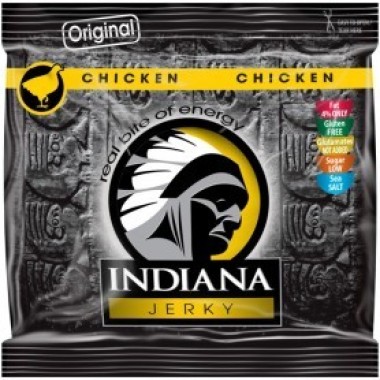
3.00€
Discover Indiana Jerky Chicken 60 g JERKY: A Protein-Packed Snack for Active Lifestyles Indiana Jerk..
Showing 1 to 1 of 1 (1 Pages)
Understanding the Chicken Meat Category
The Chicken meat category encompasses a wide range of products derived from domesticated chickens, including whole chickens, chicken cuts (such as breasts, thighs, wings, and drumsticks), and processed chicken items like nuggets and sausages. This category plays a pivotal role in the US market due to its overwhelming popularity among consumers, driven by its versatility, affordability, and ease of preparation. Chicken meat is a staple protein source for American households, found in a variety of cuisines and cooking methods. It is favored for its mild flavor, which allows it to pair well with numerous ingredients and seasonings. This category not only satisfies dietary requirements but also aligns with the evolving preferences of health-conscious consumers. With an increasing focus on plant-based diets, the chicken meat category remains an important player, adapting to trends and retaining consumer interest. In recent years, the chicken meat market has shown steady growth, influenced by a combination of culinary trends, health concerns, and shifts in consumer behavior. Chicken is often highlighted in dietary recommendations as a lean source of protein, making it suitable for diverse eating patterns. Its role as a versatile ingredient makes it an essential part of meal planning for many families.Key Characteristics of Chicken Meat Products
Products within the Chicken meat category share several key characteristics that define them. Primarily, chicken is known for its high protein content, low fat levels, and the range of cooking methods suitable for preparation—grilling, roasting, frying, and baking, among others. Chicken is also relatively quick to cook, which appeals to busy consumers looking for convenient meal solutions. However, while chicken meat offers numerous benefits, there are certain considerations regarding its consumption. Some individuals may need to approach chicken with caution or avoid it altogether based on specific health conditions or dietary restrictions. The following list outlines who may not be suitable for consuming chicken:- Individuals with poultry allergies: Some consumers may experience allergic reactions to chicken, which can range from mild to severe.
- People with specific dietary restrictions: Those following vegetarian or vegan diets avoid chicken as it is an animal product.
- Children under the age of 4: Young children might require careful management of their protein sources to avoid choking hazards and meet nutritional needs.
- Individuals with certain chronic health conditions: People with high cholesterol or specific heart conditions should consult a healthcare professional regarding meat consumption, including chicken.