
Betahistine dihydrochloride
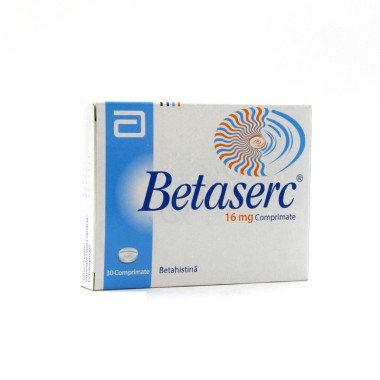
20.00€
Buy Betaserc 16 Abbott Healthcare Pvt. Ltd. in the USA from an anabolic store The growing interest i..
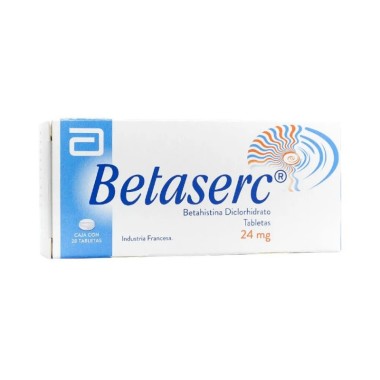
34.00€
In the competitive world of sports, athletes constantly seek ways to enhance their performance and r..
Understanding Betahistine Dihydrochloride: A Unified Category of Solutions
Betahistine dihydrochloride is a medication primarily used to treat vertigo and associated conditions such as Ménière's disease. It operates by improving blood flow in the inner ear, alleviating the symptoms of balance disorders. All products within this category share a common mechanism of action designed to reduce episodes of dizziness and improve overall auditory function. These medications work by enhancing vestibular compensation—essentially helping the brain adapt to changes in the inner ear. Betahistine dihydrochloride products come with a variety of formulations, typically including oral tablets which vary in dosage strength, thus catering to different levels of severity in patients. The fundamental characteristics that unite these products are their efficacy in minimizing vertigo attacks, their safety profiles when used correctly, and their commitment to improving the quality of life for individuals suffering from balance-related conditions.
Available Formats and Variations of Betahistine Dihydrochloride Products
Products in the Betahistine dihydrochloride category are predominantly available in oral tablet form, offering various strengths to accommodate patient needs. These medications typically come in 8 mg, 16 mg, and 24 mg dosages, allowing healthcare providers to tailor treatment plans based on individual symptoms and responsiveness to the drug. Additionally, it is important to note that while tablets are the most common form, certain pharmaceutical companies may offer variations such as extended-release formulations to provide prolonged symptom relief. Availability may vary based on local regulations and manufacturers. Patients are encouraged to discuss with their healthcare providers which form might be the most suitable based on convenience, frequency of dosing, and individual health conditions.
Key Differences and Considerations for Betahistine Dihydrochloride
When comparing Betahistine dihydrochloride to other related medication categories, such as anti-nauseants or other vestibular agents, the unique aspect of Betahistine dihydrochloride lies in its specific action on the inner ear. Unlike typical anti-nauseants that primarily target symptoms of nausea and vomiting, Betahistine actively addresses the root causes of vertigo by enhancing blood flow and aiding vestibular function. Furthermore, its targeted approach minimizes the side effects often associated with broader action medications, making it a preferred choice for individuals specifically suffering from Ménière's disease or vestibular disorders. Therefore, patients seeking an effective solution for persistent dizziness should consider Betahistine dihydrochloride, as it not only alleviates their symptoms but also improves functional balance and overall quality of life.
Long-Term Effects and Considerations for Betahistine Dihydrochloride Use
Long-term use of Betahistine dihydrochloride can result in a significant reduction in the frequency and severity of vertigo attacks, leading to improved daily functioning and enhanced quality of life. With continued use, patients may experience fewer disruptions to their everyday activities, resulting in better overall mental health and satisfaction. Nevertheless, certain precautions are necessary. Contraindications for the use of Betahistine dihydrochloride include a history of hypersensitivity to the medication, peptic ulcer disease, or conditions that entail a higher risk of gastrointestinal hemorrhage. Moreover, individuals who are pregnant, breastfeeding, or possess underlying health conditions should consult their healthcare professionals before starting therapy with this medication. Regular follow-up with healthcare providers is essential to monitor efficacy and adjust dosages as needed.
Guidelines for Choosing and Using Betahistine Dihydrochloride Products
Choosing the right Betahistine dihydrochloride product involves understanding one’s specific health condition and consulting with a healthcare provider. Patients should discuss their symptoms in detail, including frequency and severity, to ensure an appropriate therapeutic approach. Upon receiving a prescription, it is crucial to adhere strictly to dosage recommendations, taking the medication at the same time each day to establish a routine that maximizes its beneficial effects. Patients should also consider potential side effects, which can include gastrointestinal discomfort or headaches, and report any adverse events to their healthcare provider promptly. Additionally, maintaining open communication with health professionals about symptom changes will foster better management of their condition. Once initiated, it’s advisable for patients to monitor their response to the medication and consider any lifestyle adjustments that may complement the treatment for optimal results.