
Bendamustine
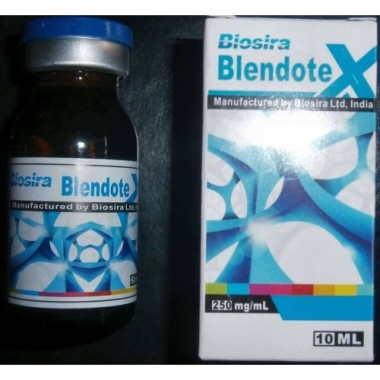
42.00€
In the realm of sports pharmacology, Blendotex Pharmaceutical stands out as a crucial ally for athle..
Bendamustine: An Overview of Key Characteristics and Mechanisms
Bendamustine is an innovative chemotherapeutic agent that unites various products within its category through its unique mechanism of action and therapeutic applications. Known for its effectiveness in treating certain types of cancers, Bendamustine functions by disrupting the DNA synthesis of malignant cells, thereby inhibiting their growth and inducing apoptosis (programmed cell death). This action is crucial in combating tumors, particularly in hematologic malignancies like non-Hodgkin lymphoma and chronic lymphocytic leukemia. The products under this category maintain a consistent profile in terms of this mechanism, offering oncologists and patients reliable options with proven efficacy.
One of the defining characteristics of Bendamustine-based therapies is their ability to overcome resistance seen with other chemotherapeutic agents. This attribute allows Bendamustine to be integrated into treatment regimens, enhancing patient outcomes even when other treatments have failed. As part of a comprehensive cancer treatment plan, products in this category are frequently highlighted for their tolerability and manageable side effect profiles, making them a valuable choice in oncology.
Available Formats and Forms of Products
Products categorized under Bendamustine are primarily available in two formats: injectable solutions and oral tablets. The injectable formulation is typically administered in a clinical setting, allowing for the precise control of dosage and direct infusion into the bloodstream. This method is particularly effective in achieving rapid therapeutic concentrations of Bendamustine, crucial for acute treatment scenarios.
On the other hand, the oral tablet form provides an alternative for outpatient settings, offering convenience and a degree of independence for patients. This flexibility in administration is essential, as it caters to the diverse needs and preferences of patients undergoing cancer treatment. Furthermore, the oral dosage forms are often used for maintenance therapy, allowing patients to continue their treatment regimen at home under the supervision of their healthcare providers.
Understanding Bendamustine Compared to Related Cancer Therapies
The distinctive characteristics of Bendamustine set it apart from other cancer treatment categories, primarily due to its dual-action mechanism. Unlike traditional alkylating agents, which only damage DNA, Bendamustine additionally interferes with the mitotic process and has a modulatory effect on immune function. This dual mechanism not only enhances its effectiveness against certain tumors but also helps to reduce complications arising from standard chemotherapeutic regimens.
Patients should consider Bendamustine specifically when facing treatment-resistant cancers, as they may benefit from its ability to evoke responses after failure with other therapeutic options. Moreover, its safety profile makes it an appealing choice for older adults or patients with co-existing health concerns, where conventional treatments may pose higher risks. By understanding these key differences, healthcare providers can make informed decisions about incorporating Bendamustine into individual treatment plans, ensuring that patient needs and preferences are met effectively.
Long-term Effects and Considerations for Bendamustine Use
Long-term effects associated with Bendamustine therapy can be promising for many patients, with studies indicating improved survival rates and prolonged remission periods in specific hematological malignancies. By effectively controlling cancer progression, Bendamustine can contribute to a better quality of life during treatment periods and beyond.
However, there are important considerations to address before starting a Bendamustine regimen. Contraindications exist for certain populations, including pregnant women and individuals with severe pre-existing infections or significant liver and renal impairment. It is crucial for healthcare providers to evaluate these factors during patient consultations to prevent adverse effects from occurring.
Additionally, as with any chemotherapy, monitoring for potential side effects such as bone marrow suppression, fatigue, and gastrointestinal disturbances is essential. Patients should engage in open dialogues with their healthcare team to address concerns and report any unexpected symptoms experienced during treatment.
Practical Guidance for Choosing and Using Bendamustine Products
When selecting products from the Bendamustine category, it is vital for patients to consult with their oncology specialists to ensure that the chosen treatment aligns with their specific diagnosis, treatment history, and overall health status. Understanding the recommended dosage and administration route will also facilitate adherence and maximize therapeutic benefits.
Starting treatment with Bendamustine should involve a thorough discussion of what to expect throughout the therapy. Patients should be informed about potential side effects and the importance of adherence to follow-up appointments for monitoring response and side effects. Those opting for oral formulations should be given clear instructions on how and when to take them to enhance absorption and effectiveness.
Overall, effective communication with healthcare providers, careful consideration of personal health circumstances, and adherence to prescribed regimens will equip patients to make the most informed choices when starting on Bendamustine treatments, ultimately leading to better health outcomes and enhanced patient satisfaction.