
Atomoxetine
18.00€
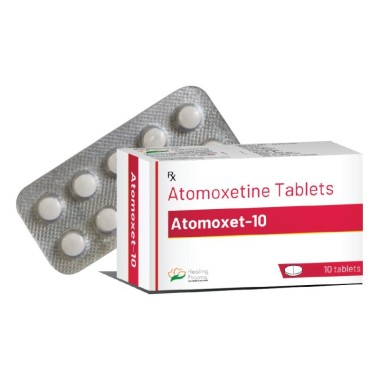
Overview of Atomoxet 10 mg Healing Pharma and its main properties Atomoxet 10 mg Healing Pharma is a..

54.00€
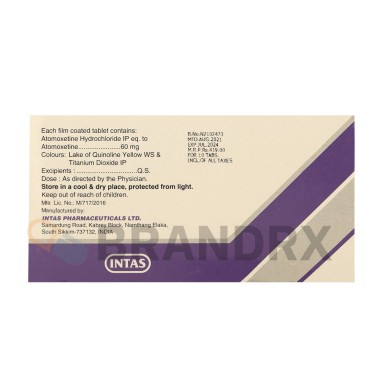
Axepta 60 mg Intas Pharmaceuticals: Overview and Pharmacological Properties Axepta 60 mg Intas Pharm..
73.00€
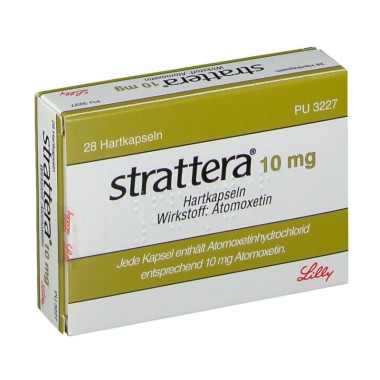
Strattera 10 Eli Lilly: Description and Pharmacological Properties Strattera 10 Eli Lilly, a renowne..
164.00€
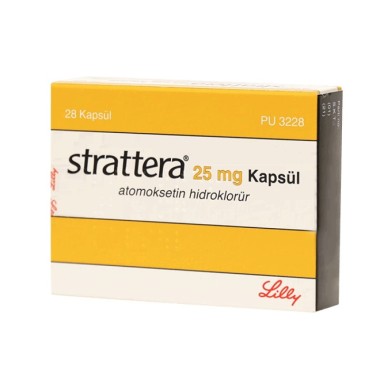
Key features of Strattera 25 Eli Lilly and its advantages Strattera 25 Eli Lilly is a well-known me..
Understanding Atomoxetine and Its Common Characteristics
Atomoxetine is a medication primarily used to treat Attention Deficit Hyperactivity Disorder (ADHD) in both children and adults. It is distinct from other ADHD treatments, such as stimulants, due to its unique mechanism of action. Atomoxetine is a selective norepinephrine reuptake inhibitor (NRI), which means it enhances the levels of norepinephrine, a neurotransmitter associated with attention, focus, and impulse control. All products within the Atomoxetine category share this fundamental principle of operation, targeting the underlying neurochemical imbalances that contribute to ADHD symptoms.
Key characteristics common to Atomoxetine products include their efficacy in improving attention span, reducing impulsivity, and fostering better behavioral regulation. Atomoxetine is generally taken once or twice daily, and it does not exhibit the same potential for abuse as stimulant medications. Furthermore, Atomoxetine's pharmacological profile allows for a gradual buildup of effects, making it a suitable option for individuals who may prefer a non-stimulant treatment for ADHD.
Formats and Availability of Atomoxetine Products
Products in the Atomoxetine category are primarily available in capsule form, allowing for easy oral administration. The capsules come in various dosages, enabling healthcare professionals to tailor the treatment according to individual patient needs. The most commonly prescribed dosages include 10 mg, 18 mg, 25 mg, 40 mg, and 60 mg capsules. This range of dosages supports flexibility in treatment plans, catering to both pediatric and adult populations.
Additionally, there are alternative formulations such as the liquid form of Atomoxetine, which may be beneficial for patients who have difficulty swallowing capsules. This format is especially useful in a pediatric context, ensuring that younger patients can adhere to their treatment regimen effectively. Overall, the diversity in product formats and dosages allows for customized treatment strategies, enhancing patient adherence and satisfaction.
Why Choose Atomoxetine Over Other ADHD Treatments?
Atomoxetine distinguishes itself from other ADHD treatment categories, particularly stimulant medications, primarily due to its non-stimulant nature. While stimulants are effective for many, they can cause side effects such as insomnia, decreased appetite, and potential for abuse. In contrast, Atomoxetine's slower onset and steady action can lead to fewer immediate side effects, making it a preferable choice for patients who are sensitive to stimulants or who have a history of substance abuse.
Moreover, Atomoxetine is suitable for individuals who need longer-lasting symptom control without the peaks and troughs associated with stimulant use. It also tends to have a more favorable side-effect profile, which can be a significant consideration for individuals with coexisting medical conditions or those who might be on other medications. By choosing Atomoxetine, users are aligning their treatment with a medication that offers efficacy while minimizing the risk of adverse effects typically associated with stimulant therapies.
Long-Term Effects and Considerations for Atomoxetine Use
The long-term use of Atomoxetine can lead to sustained improvements in attention and behavior, enhancing overall quality of life for individuals managing ADHD. Users often report greater consistency in daily functioning, academic performance, and interpersonal relationships as a result of regular Atomoxetine treatment. However, it is essential to note that, like any medication, Atomoxetine may not be suitable for everyone.
Contraindications for Atomoxetine include a history of hypersensitivity to the drug, severe cardiovascular disorders, and certain psychiatric conditions. Additionally, Atomoxetine is not recommended for use in pregnant women due to potential risks to the fetus, and caution is advised when prescribing to minors, especially those with growth concerns. Regular monitoring by healthcare professionals is recommended, particularly for patients with pre-existing medical conditions to ensure that the treatment remains appropriate and effective.
How to Choose and Use Atomoxetine Products Effectively
When selecting products from the Atomoxetine category, it is crucial to consult with a healthcare professional. They can help determine the appropriate dosage and form based on individual health needs and lifestyle. Patients should discuss their medical history, any concurrent medications, and specific treatment goals during their consultation.
Once prescribed, it is important to follow dosing instructions closely, as consistency is key to achieving the desired therapeutic effects. Taking Atomoxetine at the same time each day can help establish a routine that maximizes medication adherence. Patients should also continue regular follow-ups with their healthcare provider to assess the effectiveness of the treatment and make any necessary adjustments to their regimen.
In summary, Atomoxetine offers a unique, non-stimulant alternative for managing ADHD, equipped with characteristics that set it apart from traditional stimulant medications. By understanding its principles of operation, available formats, and the long-term benefits, users can make informed choices about their treatment, ultimately leading to improved outcomes and quality of life.
