
Atenolol
16.00€
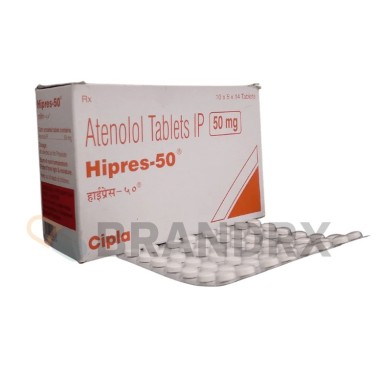
Presenting Hipres 50 mg Cipla and Its Main Purpose Hipres 50 mg Cipla is a pharmaceutical product ma..
Atenolol: Understanding the Core Attributes of the Category
Atenolol is a medication that belongs to the class of drugs known as beta-blockers, which are primarily used to manage cardiovascular conditions. This category includes a range of products designed to help regulate heart rate, lower blood pressure, and reduce the risk of complications associated with heart diseases. All items within the Atenolol category share common principles of action: they work by blocking the effects of adrenaline on the heart and blood vessels, resulting in decreased heart rate and improved blood flow. This action not only aids in the management of hypertension but also plays a crucial role in treating conditions like angina and preventing heart attacks. A key characteristic of Atenolol and its related products is their effectiveness in enhancing heart health while minimizing side effects, making them a preferred choice for many healthcare providers.
Available Formats and Types
The products in the Atenolol category are available in various formats designed to cater to the diverse needs of patients. Typically, Atenolol comes in oral tablet form, with dosages often ranging from 25mg to 100mg. This allows for flexible dosing options tailored to individual health requirements and treatment plans. Additionally, some formulations may include sustained-release versions, which enable a more prolonged therapeutic effect throughout the day. Such variations ensure that patients can adhere to their prescribed regimen while experiencing optimal benefits from their treatment. Importantly, healthcare professionals may recommend different formats based on the patient's condition, age, and overall health profile.
The Unique Advantages of Atenolol Compared to Related Categories
Atenolol distinguishes itself from other beta-blockers and similar categories of cardiovascular medications through its specific pharmacological profile and side effect management. Unlike some alternatives that may cause significant side effects, such as fatigue or respiratory complications, Atenolol is known for its relatively mild side effect profile. This makes it a more favorable option for patients, especially those who are sensitive to the effects of other beta-blockers. Furthermore, Atenolol's unique ability to selectively block beta-1 adrenergic receptors emphasizes its cardiovascular-specific applications. Patients looking for effective management of hypertension and related heart conditions often find Atenolol to be a reliable option due to its proven efficacy and safety record. Its targeted action specifically aligns with the therapeutic goals of many individuals, highlighting the need for healthcare seekers to consider Atenolol as a viable treatment choice.
Long-Term Use and Considerations for Safety
The long-term use of Atenolol can yield significant improvements in heart health, particularly in lowering blood pressure and reducing the risk of heart-related complications. Users may experience a decrease in the frequency and severity of angina attacks, as well as a lower risk of subsequent heart attacks or strokes. However, it is important to approach the use of Atenolol with caution. Certain contraindications exist; for instance, Atenolol may not be suitable for individuals with a history of asthma, severe bradycardia, or certain types of heart block. Additionally, pregnant or breastfeeding women, as well as children, should consult with their healthcare provider to assess potential risks. Patients should also be monitored for any adverse effects, particularly in the initial stages of treatment or when doses are adjusted, to ensure the therapy remains safe and effective.
Choosing and Using Atenolol Products Effectively
When selecting products from the Atenolol category, it’s essential to consult with a healthcare provider to determine the most appropriate formulation and dosage for your specific condition. Factors such as age, weight, medical history, and concurrent medications can all influence the choice of Atenolol. Patients should also consider lifestyle factors, including diet and exercise, which can complement their medication regimen for optimal heart health. The correct use of Atenolol involves adhering to prescribed dosages and schedules, and patients should not discontinue or alter their intake without consulting their healthcare provider. Keeping regular follow-up appointments is important for monitoring the medication's effectiveness and adjusting treatment plans as necessary. By taking these practical steps, individuals can maximize the benefits of Atenolol in their pursuit of improved cardiovascular health.