
Aspirin
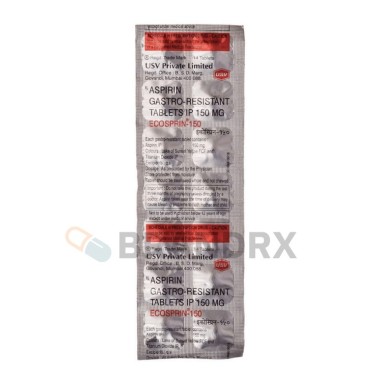
33.00€
Ecosprin 150 mg USV Private Ltd. - An Overview and Its Main Purpose Ecosprin 150 mg USV Private Ltd...
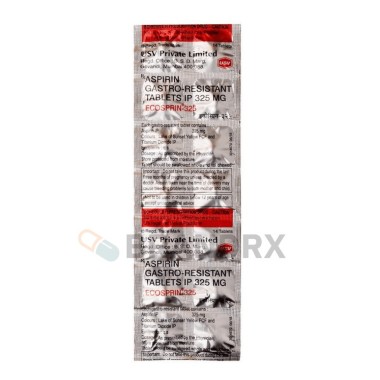

50.00€
Ecosprin Delayed Release 325 mg USV Private Ltd.: An Overview Ecosprin Delayed Release 325 mg USV Pr..
Properties of Aspirin and its practical value
Aspirin is a widely recognized nonsteroidal anti-inflammatory drug (NSAID) that has been used for more than a century for its analgesic, antipyretic, and anti-inflammatory properties. This pharmaceutical compound, chemically known as acetylsalicylic acid, functions by inhibiting the production of certain chemicals in the body that mediate pain, fever, and inflammation. One of the significant practical values of Aspen lies in its ability to relieve mild to moderate pain, such as headaches, toothaches, and muscle soreness. Additionally, it is commonly used to reduce fever and relieve symptoms associated with inflammatory conditions. Beyond its general uses, aspirin also plays a critical role in cardiovascular health due to its ability to inhibit platelet aggregation, reducing the risk of heart attacks and strokes. Consequently, many users find aspirin invaluable for both acute pain relief and chronic health management, making it a staple in medicine cabinets across the country.
What results athletes can expect with a systematic approach
Athletes often experience physical stress and discomfort from rigorous training and competition. When aspirin is used systematically, it can contribute positively to an athlete’s performance and recovery. Typical outcomes include reduced muscle soreness after intense workouts, improved recovery times, and less inflammation from injuries. Additionally, aspirin may help athletes maintain a consistent training schedule by managing pain effectively, allowing them to push their limits without being sidelined by mild injuries.
However, it is crucial for athletes to use aspirin judiciously and under the guidance of a healthcare professional. The systematic use of aspirin may lead to enhanced performance outcomes when paired with a proper training regimen, adequate nutrition, and sufficient rest. Athletes can potentially expect:
- Reduced pain associated with muscle strain or joint discomfort
- Faster recovery times from training and competitions
- Lower levels of inflammation in acute sports injuries
- Enhanced overall training consistency
Popular Aspirin options and how to choose
The market offers a variety of aspirin formulations, each designed to fit specific needs and preferences. Here are some common variations one can find:
- Regular aspirin tablets: Standard formulation for general pain relief.
- Enteric-coated aspirin: Designed to dissolve in the intestines rather than the stomach, minimizing gastrointestinal side effects.
- Buffered aspirin: Contains antacids to help protect the stomach lining and reduce irritation.
- Aspirin combined with other medications: Often combined with other drugs for enhanced pain relief or to treat specific conditions.
- Aspirin in effervescent or liquid forms: Suitable for those who have difficulty swallowing pills.
When selecting an aspirin product, consider factors such as the intended use, individual sensitivities (especially regarding stomach issues), and any existing health conditions. Always consult a healthcare provider to determine the most appropriate type and dosage for your specific needs.
Who is not recommended to use the product
Despite the widespread use of aspirin, certain individuals should exercise caution or avoid it altogether. Those who fall into the following categories might be advised against using products from this category:
- Individuals with known allergies to aspirin or other NSAIDs
- People with active gastrointestinal bleeding or history of peptic ulcers
- Patients with certain kidney or liver diseases
- Children or teenagers recovering from viral infections due to the risk of Reye's syndrome
- Pregnant women, particularly during the third trimester
It is essential for anyone considering aspirin to discuss their health history and any ongoing medications with a healthcare professional to avoid potential complications.
Possible side effects and ways to minimize them
As with any medication, aspirin use may come with potential side effects, although many users tolerate it well. Common side effects include gastrointestinal issues such as nausea, heartburn, or bleeding. Rare but serious side effects can include allergic reactions, stomach ulcers, and severe bleeding. To minimize these risks, several recommendations can be followed:
- Take aspirin with food or a full glass of water to help reduce stomach irritation.
- Opt for enteric-coated or buffered formulations if gastrointestinal discomfort is a concern.
- Adhere to specified dosages to avoid toxicity and limit the risk of side effects.
- Avoid alcohol consumption when taking aspirin, as it can exacerbate gastrointestinal risks.
Regular discussions with a healthcare provider can also help in monitoring any adverse effects and adjusting the use of aspirin as necessary.
Order Aspirin online in the USA
For those looking to purchase aspirin online in the USA, several reputable pharmacies and e-commerce platforms offer a range of options. When selecting and ordering your product, it is essential to ensure that the website is reputable and that the aspirin options are sourced from trusted manufacturers. Here are some steps to guide you through the process:
- Research and compare different brands and formulations available online.
- Read customer reviews and rating to gauge product effectiveness and reliability.
- Check for certifications or seals indicating that the product meets safety and quality standards.
- Be aware of possible shipping fees and ensure that the site adheres to safety regulations regarding medicine sales.
- Consider consulting with a healthcare professional regarding the choice and dosage before placing your order.
By following these guidelines, users can confidently select and order aspirin products that best meet their needs, ensuring they are well-equipped for pain management and overall health support.