
Apixaban
152.00€
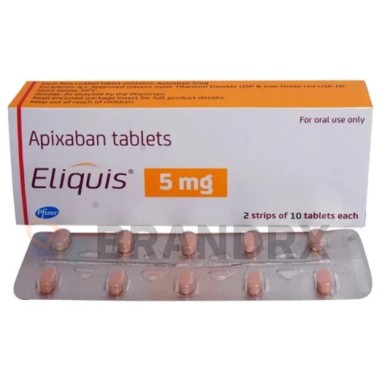
Eliquis 5 mg Pfizer: Comprehensive Overview Eliquis 5 mg Pfizer is a prescription medication primari..
Apixaban: An Overview of its Primary Function and Use
Apixaban is an anticoagulant medication that plays a crucial role in the management of conditions associated with an increased risk of blood clots. As a member of the direct oral anticoagulants (DOACs) class, it specifically works by inhibiting Factor Xa, a key enzyme in the coagulation cascade that contributes to thrombus formation. By blocking this factor, Apixaban reduces the likelihood of clot development in various clinical settings, such as atrial fibrillation (AF) and venous thromboembolism (VTE). Its ability to provide a reliable anticoagulant effect without the need for routine monitoring makes it an attractive option for both healthcare providers and patients.
User Profiles and Relevant Contexts for Anticoagulant Therapy
The typical users of anticoagulant therapies, including Apixaban, span a broad demographic and may include individuals with pre-existing cardiovascular conditions, post-surgical patients, and those with specific risk factors for thromboembolic events. Common contexts for the use of these medications often involve patients diagnosed with atrial fibrillation, where the risk of stroke can significantly increase, or individuals who have experienced deep vein thrombosis (DVT) or pulmonary embolism (PE). Additionally, Apixaban may be prescribed for patients undergoing certain types of surgery, especially orthopedic procedures like hip or knee replacements, where the risk of venous thromboembolism is notably high. The user demographic may range from elderly individuals with multiple comorbidities to younger populations with specific inherited clotting disorders, highlighting the wide applicability of this medication.
Characteristics and Advantages of Apixaban
Apixaban stands out among anticoagulants due to several key attributes that distinguish it from other available options. One of its primary strengths is the rapid onset of action, allowing for swift therapeutic effects. This is particularly advantageous in acute situations where immediate anticoagulation is essential. Apixaban also offers a fixed dosing regimen, which simplifies management for patients, as it reduces the need for dosage adjustments based on coagulation monitoring, unlike traditional vitamin K antagonists such as warfarin. Additionally, Apixaban is less likely to interact with foods and a wide range of other medications, minimizing challenges related to dietary restrictions and polypharmacy.
Benefits of Using Apixaban
The consideration of Apixaban comes with various advantages that underscore its role in modern anticoagulation therapy. The following list outlines the key benefits associated with its use:
- Effective stroke prevention in patients with atrial fibrillation, significantly reducing related morbidity and mortality.
- Lower risk of major bleeding compared to other anticoagulants, particularly in certain patient populations.
- Convenient dosing schedule that does not necessitate routine laboratory monitoring of coagulation levels.
- Rapid onset and offset of action, which is particularly beneficial in situations requiring quick anticoagulation reversal.
- Fewer dietary restrictions and drug interactions, thus enhancing patient adherence and lifestyle compatibility.
Considerations for Choosing Anticoagulant Medications
Before initiating therapy with Apixaban, it is essential to understand important considerations and contraindications that may affect its suitability for an individual patient. First, Apixaban is contraindicated in patients with active bleeding disorders or severe renal impairment. A thorough assessment of the patient's medical history and current health condition must be conducted to identify any potential risks. Additionally, its use may not be appropriate for patients with mechanical heart valves or those who have had recent spinal or epidural procedures due to the increased risk of hematoma and associated complications. Patients should also be counseled on the potential side effects, including the risk of bleeding, and the need for immediate medical attention should such symptoms present. Alongside these considerations, careful monitoring and regular follow-ups are crucial to ensure optimal outcomes and safety in patients receiving Apixaban therapy.