
Amlodipine
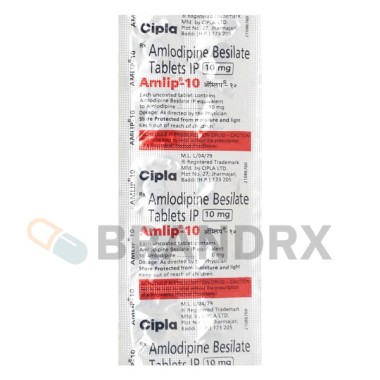
18.00€
Amlip 10 mg Cipla: Overview and Main Function Amlip 10 mg Cipla is a prescription medication that pr..
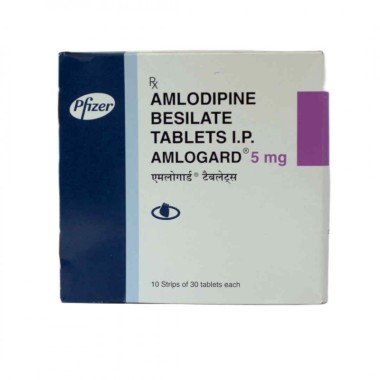
28.00€
Amlogard 5 mg Pfizer: An Overview Amlogard 5 mg Pfizer is a prescription medication primarily used t..

36.00€
Description of Norvacs 10 mg Pfizer and its main properties Norvacs 10 mg Pfizer is a pharmaceutical..

24.00€
Description of Norvacs 5 mg Pfizer and its main properties Norvacs 5 mg Pfizer is a pharmaceutical p..
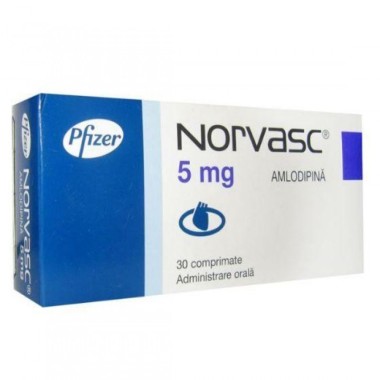
19.00€
Buy Norvasc 5 (30 pills) Pfizer in the USA from an anabolic store Looking to purchase Norvasc 5 (30 ..
Amlodipine: Understanding the Category and Its Main Purpose
Amlodipine is a medication classified under the category of calcium channel blockers, primarily used for the treatment of high blood pressure (hypertension) and certain types of angina (chest pain). By blocking calcium from entering the cells of the heart and blood vessel walls, Amlodipine helps to relax and widen blood vessels, allowing blood to flow more freely. This mechanism not only lowers blood pressure but also improves oxygen delivery to the heart muscle, making it easier for those who suffer from angina. Amlodipine is often prescribed as part of a comprehensive treatment plan that may include dietary changes and lifestyle modifications to control blood pressure and manage heart-related conditions effectively.
User Profiles and Contexts for Usage
The typical users of Amlodipine are individuals diagnosed with hypertension, a condition that affects millions of adults in the United States. They may vary in age, ethnicity, and health background, but they share the common objective of managing their blood pressure effectively. Amlodipine is also prescribed to patients experiencing chronic stable angina or Prinzmetal's angina, which can occur at rest or with exertion. This medication may be utilized in outpatient settings, such as primary care offices or cardiology clinics, where doctors monitor and adjust treatment plans based on individual patient responses. Furthermore, Amlodipine is favored for its once-daily dosage, making it convenient for patients to adhere to their treatment routines while minimizing the likelihood of missed doses.
Strengths and Distinguishing Characteristics of Amlodipine
Amlodipine stands out among other antihypertensive medications due to several distinctive characteristics. One of its prominent strengths is its long half-life, allowing it to remain effective for a full 24 hours with just one daily dose. Unlike some other calcium channel blockers, Amlodipine demonstrates less potential for reflex tachycardia, a side effect that can occur when blood pressure is lowered too rapidly. Additionally, Amlodipine is generally well-tolerated, with fewer significant side effects compared to alternatives such as beta-blockers or diuretics. Its effectiveness can be observed in both younger and older populations, making it a versatile choice for doctors managing diverse patient needs. Moreover, Amlodipine's safety profile has been confirmed through multiple clinical studies, contributing to its widespread acceptance within the medical community as a reliable treatment option.
Benefits of Amlodipine: A Balanced Overview
The following are key advantages of using Amlodipine for managing hypertension and angina:
- Effective Blood Pressure Reduction: Amlodipine has been shown to significantly lower systolic and diastolic blood pressure, contributing to overall cardiovascular health.
- Convenient Dosing Schedule: The medication's 24-hour efficacy allows for once-daily administration, which simplifies treatment regimens and improves patient adherence.
- Low Side Effect Profile: Many patients experience manageable side effects, such as mild swelling of the ankles, which often resolves over time.
- Versatile Application: Amlodipine can be prescribed alone or in combination with other medications, providing flexibility in treatment approaches for various patient needs.
- Established Safety Record: Extensive research has validated Amlodipine's safety, making it a well-trusted option for both healthcare providers and patients.
Important Considerations Before Choosing Amlodipine
Before initiating Amlodipine, it is crucial for individuals and healthcare providers to consider various factors, including potential contraindications. Amlodipine should not be used in patients who demonstrate hypersensitivity to the drug or any of its components. Furthermore, individuals with severe hypotension or significant aortic stenosis should proceed with caution, as Amlodipine may exacerbate these conditions. It is also important to assess renal and hepatic function before starting treatment, as adjustments may be necessary for patients with compromised organ function. Additionally, the use of Amlodipine during pregnancy and breastfeeding must be carefully evaluated by healthcare professionals to weigh potential risks against benefits. As with any medication, a comprehensive discussion with a healthcare provider is essential to ensure that Amlodipine is the right choice for managing each patient's specific health needs.