
Acetyl Octapeptide-3
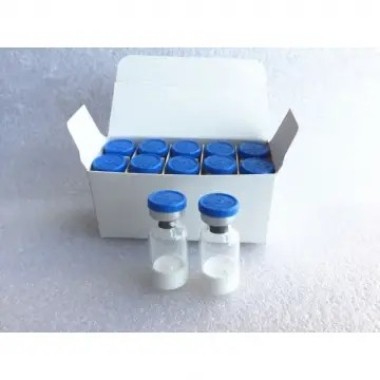
75.00€
What is SNAP-8 10mg GENERIC and Its Role in Sports Pharmacology? SNAP-8 10mg GENERIC is a potent pep..
Acetyl Octapeptide-3: An Overview of Its Role and Benefits
Acetyl Octapeptide-3 is an innovative peptide that has gained popularity in the cosmetic and skincare industries for its remarkable properties in promoting skin health. This peptide, composed of a specific chain of amino acids, is often included in anti-aging formulations due to its ability to enhance the appearance of skin firmness and elasticity. The primary function of Acetyl Octapeptide-3 revolves around its capacity to mimic the effects of botulinum toxin, offering a gentle alternative for reducing the appearance of fine lines and wrinkles without the need for invasive procedures.
As a critical ingredient in many serums and creams, Acetyl Octapeptide-3 functions by inhibiting muscle contractions that lead to wrinkle formation. This non-toxic peptide helps to promote smoother skin and a more youthful complexion, making it a favored choice among those seeking to combat the signs of aging. Additionally, its compatibility with various skin types makes it an accessible option for a wide range of consumers looking to enhance their skincare routine.
Who Typically Uses Acetyl Octapeptide-3?
The target audience for products containing Acetyl Octapeptide-3 primarily includes adults, particularly those who are beginning to notice the early signs of aging on their skin. Typically, these users are in their late 20s to mid-60s, as gradual skin changes occur over time. Additionally, individuals interested in maintaining skin vitality and combating fine lines may also find this ingredient beneficial.
Professionals in the beauty and skincare industry also utilize Acetyl Octapeptide-3. Many estheticians and dermatologists recommend formulations with this peptide for their clients seeking non-invasive options for skin improvement. Users often incorporate it in various settings, such as during spa treatments, at-home skincare routines, or as part of their professional skincare regimens.
Strengths and Distinguishing Characteristics of Acetyl Octapeptide-3
Acetyl Octapeptide-3 stands out among other anti-aging ingredients due to several unique strengths. Unlike traditional wrinkle fillers that provide immediate but temporary results, Acetyl Octapeptide-3 offers a longer-lasting solution by gradually improving the appearance of the skin over time. Its gentler approach makes it suitable for individuals with sensitive skin who may not tolerate harsher chemical treatments.
Furthermore, Acetyl Octapeptide-3 is easily combined with other active ingredients, enhancing its efficacy without compromising skin health. Its lightweight texture allows it to absorb quickly, providing a refreshing sensation upon application. This versatility in formulation facilitates the development of a broad array of skincare products, including serums, moisturizers, and eye creams, catering to diverse consumer preferences.
In contrast to other peptides, Acetyl Octapeptide-3 is often praised for its compelling ability to visibly reduce the depth of wrinkles and fine lines with regular use, making it a preferred choice in both high-end and drugstore skincare lines. It also promotes overall skin hydration, which is crucial for maintaining elasticity and vibrancy.
Key Benefits of Acetyl Octapeptide-3
- Reduces the appearance of fine lines and wrinkles by mimicking botulinum toxin's muscle-relaxing effect.
- Safe for sensitive skin types, minimizing the risk of irritation compared to harsher alternatives.
- Compatible with various skincare products, allowing for flexibility in formulations.
- Provides long-term results with consistent use, contributing to improved skin texture and firmness.
- Hydrates the skin and enhances overall complexion, promoting a youthful glow.
Important Considerations Before Choosing Acetyl Octapeptide-3 Products
Before selecting products featuring Acetyl Octapeptide-3, potential users should consider several key factors to ensure a safe and effective experience. First and foremost, understanding individual skin type and any underlying conditions is essential before introducing new ingredients. Those with specific sensitivities must perform patch tests to identify any adverse reactions.
Additionally, individuals should scrutinize product formulations to ensure they do not contain irritants or allergens that could counteract the benefits of Acetyl Octapeptide-3. Consulting with a skincare professional or dermatologist can provide further guidance on the most suitable products that align with personal skin goals.
Lastly, while Acetyl Octapeptide-3 is generally considered safe for topical use, it is important for users to maintain realistic expectations. Results may vary based on individual skin conditions and how consistently the product is used. Therefore, thorough research and informed choices are crucial when integrating Acetyl Octapeptide-3 into skincare routines.