
USA Roaccutane 20 mg Roche
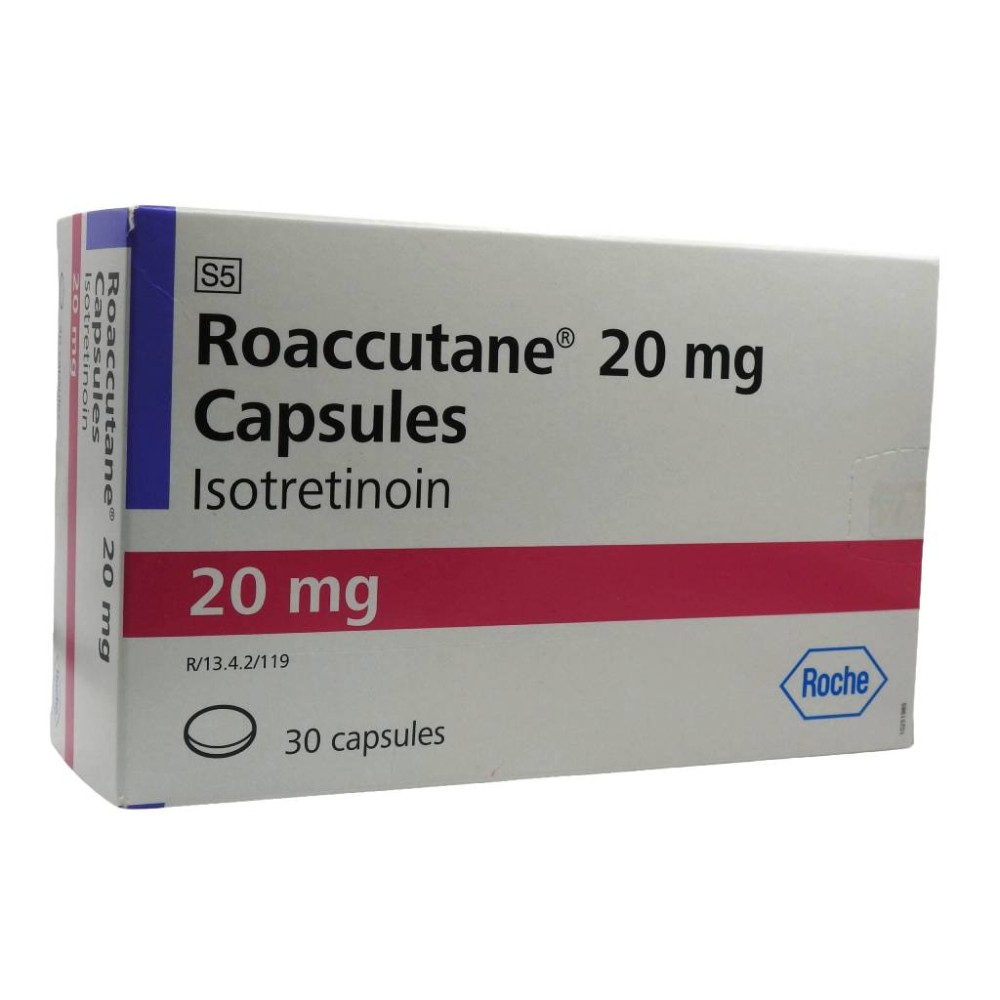
Define Roaccutane 20 mg Roche and Explain Its General Purpose
Roaccutane 20 mg Roche is a pharmaceutical product primarily used in the treatment of severe acne, particularly nodular acne that has not responded to other therapies. This medication contains isotretinoin, which is a retinoid derived from vitamin A. Its primary function is to regulate the skin's oil production, significantly reducing the formation of acne lesions. Roaccutane works by decreasing the size of sebaceous (oil) glands, altering keratinization processes, and inhibiting the growth of acne-causing bacteria. Given its potency, Roaccutane is usually prescribed when other treatments, such as topical treatments or antibiotics, fail to provide relief.
In the United States, Roaccutane is recognized not only for its effectiveness in addressing severe acne but also for its role in improving patients' overall quality of life. Acne can profoundly impact an individual's psychological well-being, leading to issues such as anxiety and low self-esteem. Therefore, the successful management of this condition through medications like Roaccutane is critical for both physical and emotional health.
Describe How Roaccutane 20 mg Roche Fits into Broader Treatment Strategies or Usage Approaches
Roaccutane 20 mg Roche is often integrated into a comprehensive acne treatment plan, designed collaboratively with healthcare providers who assess the severity of the condition and the patient's medical history. Before initiating treatment, dermatologists may first explore milder alternatives, such as topical retinoids, benzoyl peroxide, and antibiotics. When these options do not yield satisfactory results, Roaccutane may be recommended as a next step in management.
This medication is unique, as it targets the root causes of acne rather than merely managing symptoms. It is essential to recognize that Roaccutane is not a first-line treatment and is typically reserved for patients with severe, cystic acne, or those who suffer from scarring or significant psychological distress due to their condition. Its inclusion in a broader treatment strategy highlights the importance of personalized medicine, where therapies are tailored to the individual's needs and circumstances.
Explain the Advantages Users Typically Expect from This Preparation
Patients who are prescribed Roaccutane 20 mg Roche often have high expectations regarding the benefits it can provide. The following key advantages are typically associated with the use of this medication:
- Significant reduction of severe acne lesions: Roaccutane is known to provide dramatic improvements in skin clarity, with many patients experiencing full remission of acne.
- Long-term results: Patients often find that the effects of Roaccutane endure long after completion of the treatment, minimizing the likelihood of recurrence.
- Improvement in skin texture and tone: In addition to treating acne, Roaccutane can also facilitate smoother skin and reduce the appearance of post-acne scarring.
- Enhanced psychological health: Many individuals report improvements in self-esteem and quality of life following successful treatment, which is a critical aspect of managing a condition that often leads to emotional distress.
- Reduced oiliness: The medication effectively reduces the skin’s oil production, which is a direct contributor to acne development.
Discuss Risks, Precautions, and Contraindications for Use of This Preparation
While Roaccutane 20 mg Roche offers significant advantages, it is essential for users to be aware of the potential risks and precautions associated with its use. The medication is known to cause various side effects, some of which can be severe. Common adverse effects include dry skin, chapped lips, and dryness of the eyes. More serious complications, although less frequent, can involve hepatic dysfunction, hyperlipidemia, and potential effects on mood, including depression and suicidal thoughts.
Roaccutane is also associated with specific contraindications. It should not be used during pregnancy due to a high risk of teratogenic effects, leading to severe birth defects. Women of childbearing potential must adhere to stringent pregnancy prevention programs, which often include regular pregnancy tests before, during, and after treatment. It is also contraindicated in individuals with certain liver disorders, high triglyceride levels, and those who are allergic to isotretinoin or any other components of the formulation.
Patients should discuss their complete medical history with their healthcare provider to ensure that Roaccutane is an appropriate option. Regular follow-up appointments are crucial during the treatment course, allowing healthcare professionals to monitor side effects and adjust dosage as necessary.
Conclude with Guidance on How Users Should Approach Understanding and Using Roaccutane 20 mg Roche Responsibly
Approaching Roaccutane 20 mg Roche with a comprehensive understanding and respect for its potential impact is crucial for successful treatment. Patients are encouraged to educate themselves about the medication, including its benefits and risks, and to maintain open communication with their healthcare providers throughout the treatment process. This collaborative relationship is vital for addressing any side effects and for adjusting treatment as needed to ensure safety and effectiveness.
Additionally, users should follow prescribed dosing regimens meticulously and attend all scheduled appointments to facilitate a thorough assessment of treatment progress. Learning about proper skin care routines during treatment can also help mitigate some common side effects like dryness. Ultimately, responsible usage involves not only adhering to medical advice but also fostering a supportive environment that encourages mental and emotional wellbeing during the journey to clearer skin.
| Features | |
| Active substance | Roaccutane |
| Active ingredient, mg | 20 |
| Release form | Tablets |
| Manufacturer | Roche |
| Packing | Pack (30 tablets) |