
USA Terbicip 250 mg Cipla
Define Terbicip 250 mg Cipla and explain its general purpose
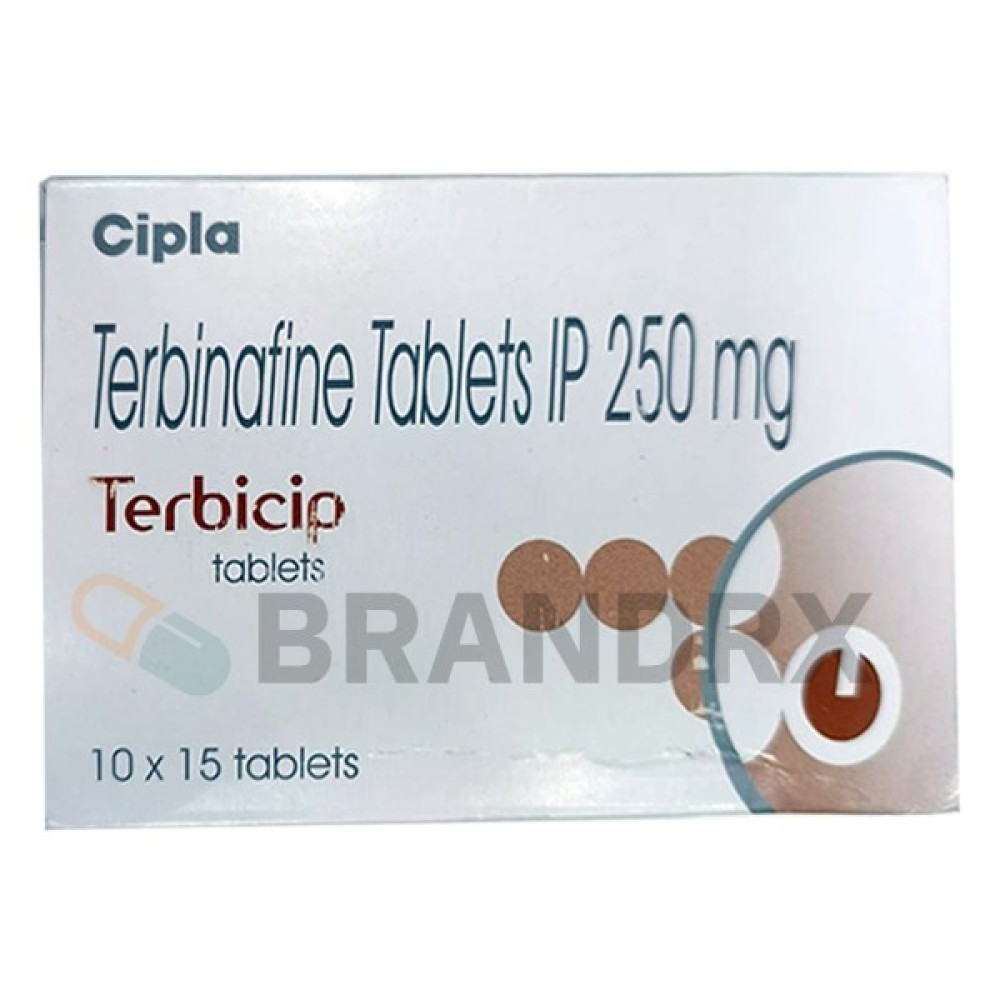
Terbicip 250 mg Cipla is a pharmaceutical preparation containing the active ingredient Terbinafine, which belongs to a class of antifungal agents known as allylamines. This medication is primarily utilized in the treatment of various fungal infections, particularly those affecting the skin and nails, such as athlete's foot, ringworm, and onychomycosis (nail fungus). The efficacy of Terbicip stems from its capability to inhibit the synthesis of ergosterol, an essential component of fungal cell membranes, leading to cell death and resolution of the infection.
In addition to its antifungal properties, Terbicip 250 mg Cipla is recognized for its ability to alleviate associated symptoms, which may include itching, inflammation, and discomfort caused by fungal growth. Its effectiveness makes it a popular choice among healthcare providers for managing superficial fungal infections and for use in more complex dermatological conditions requiring systemic treatment.
Describe how Terbicip 250 mg Cipla fits into broader treatment strategies or usage approaches
Terbicip 250 mg Cipla plays a critical role in the broader therapeutic landscape for fungal infections. When integrated into treatment regimens, it is often prescribed as part of an initial comprehensive approach to managing dermatophytoses and other mycotic conditions. These treatment strategies frequently involve a combination of medications, lifestyle adjustments, and preventive measures to reduce the chances of recurrence.
For instance, when used for nail fungus, Terbicip is typically combined with topical antifungal agents for optimal therapeutic effect, especially in cases where the infection is extensive or challenging to treat. It may also be recommended alongside patient education regarding proper foot hygiene, nail trimming, and recommendations for avoiding environmental factors that contribute to fungal proliferation.
Furthermore, healthcare providers may suggest lifestyle modifications such as wearing breathable footwear, keeping nails dry, and opting for antifungal powders to enhance the overall efficacy of treatment. Terbicip serves as an essential component in these multifaceted strategies, bridging the gap between immediate clinical needs and long-term patient wellness.
Explain the advantages users typically expect from this preparation
Users of Terbicip 250 mg Cipla typically expect a range of advantages that contribute to its popularity as an antifungal treatment. Here are the key benefits associated with its use:
- High Efficacy: Terbicip is widely recognized for its powerful action against fungal organisms, leading to quicker recovery times compared to other antifungal treatments.
- Systemic Action: The oral formulation of Terbicip allows for widespread distribution throughout the body, effectively treating infections that may have penetrated deeper tissues.
- Favorable Safety Profile: Generally well-tolerated, Terbicip has a relatively low incidence of severe side effects, making it a feasible choice for long-term use in appropriate cases.
- Convenience of Use: The oral tablet form of Terbicip allows patients greater convenience and adherence compared to topical treatments, which may require frequent application.
- Wide Spectrum of Activity: Terbicip is effective against a variety of fungi, allowing for flexibility in treatment options depending on the specific type and severity of infection.
Discuss risks, precautions, and contraindications for use of this preparation
While Terbicip 250 mg Cipla is a beneficial treatment option, it is imperative for patients and healthcare providers to be aware of the potential risks, precautions, and contraindications associated with its use. As with any medication, individual responses can vary, and appropriate screening is essential to ensure safety.
Common side effects may include gastrointestinal disturbances such as nausea, diarrhea, and abdominal pain. Additionally, users should be attentive to signs of liver dysfunction, as Terbinafine can potentially elevate liver enzymes. Hence, regular monitoring may be warranted in patients with pre-existing liver conditions or those taking other medications affecting liver function.
There are specific patient populations to which Terbicip may not be recommended. Pregnant and breastfeeding women should avoid using this medication unless clearly deemed necessary by a healthcare provider. Furthermore, individuals with a known hypersensitivity to Terbinafine or other components of the formulation should not use Terbicip.
Before starting treatment, patients should provide a complete medical history, detailing any existing health conditions, allergies, and current medications to avoid adverse interactions. This comprehensive approach helps mitigate risks and fosters safer treatment outcomes.
Conclude with guidance on how users should approach understanding and using Terbicip 250 mg Cipla responsibly
Using Terbicip 250 mg Cipla responsibly involves proactive engagement with healthcare providers, adherence to prescribed guidelines, and a commitment to understanding one’s health needs. Patients are encouraged to have open discussions regarding their symptoms and treatment goals, which can significantly enhance the effectiveness of the medication.
Adhering to the prescribed dosage and duration of treatment is crucial to ensure complete resolution of the fungal infection and prevent the development of resistance. Users should also remain vigilant regarding potential side effects and seek prompt medical advice if unusual symptoms arise. In summary, while Terbicip 250 mg Cipla offers a robust solution for fungal infections, responsible use founded on a thorough understanding of its effects, risks, and benefits is essential for achieving optimal health outcomes.
| Features | |
| Also known as | Lamisil |
| Blood pressure | Typically has no effect on blood pressure |
| Chemical name | (E)-N-(6,6-dimethyl-2-hepten-4-ynyl)-N-methyl-1-naphthalenemethanamine |
| Dosage (medical) | 250 mg once daily for 6 weeks (for fingernail fungus) or 12 weeks (for toenail fungus) |
| Dosage (sports) | Not applicable |
| Effects | Treats fungal infections by inhibiting the fungal squalene epoxidase, leading to a deficiency in ergosterol, an essential component of fungal cell membranes, causing cell death |
| Formula | C21H25N |
| Half-life | 200–400 hours (8.5–16.7 days) |
| Hepatotoxicity | Possible, especially with prolonged use |
| Lab Test | Liver function tests recommended before and during treatment |
| Main action | Antifungal |
| Side effects | Headache, gastrointestinal disturbances, rash, liver enzyme elevations, taste disturbances |
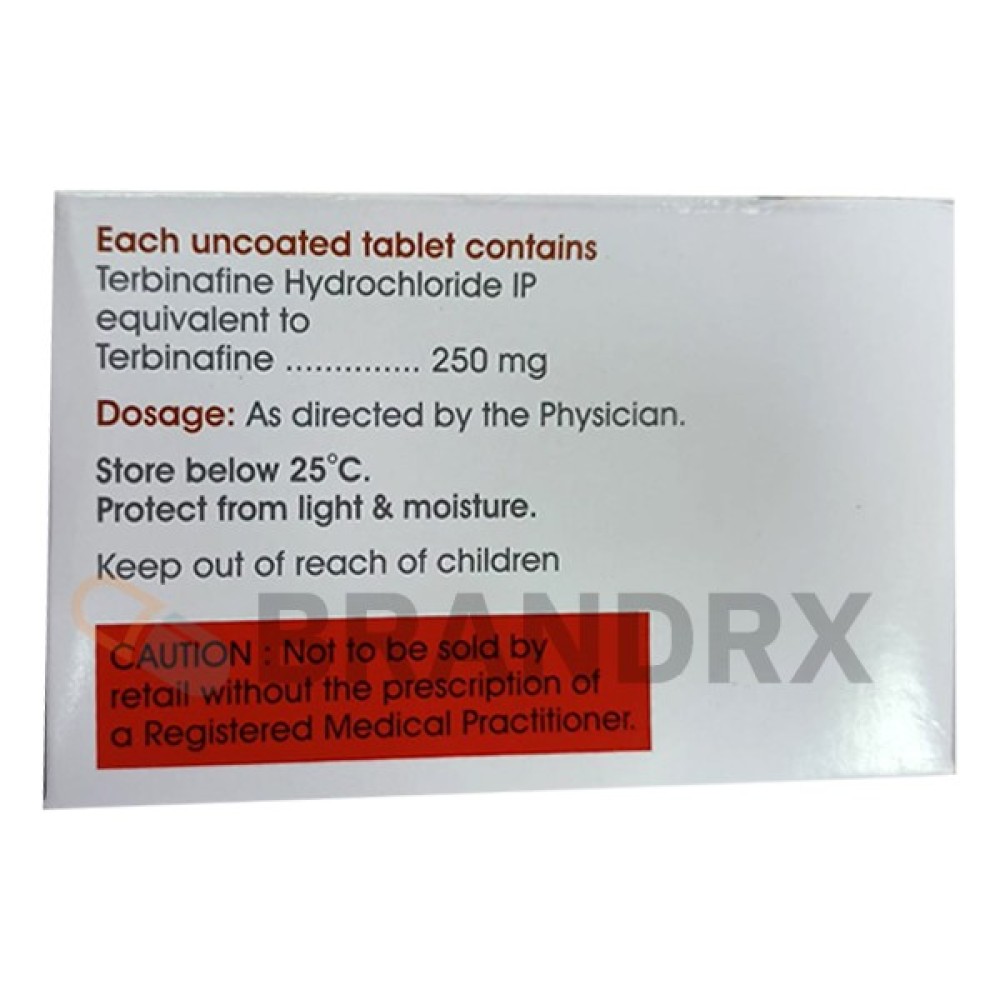
| Storage conditions | Store at room temperature away from moisture and heat |
| Strength | 250 mg |
| Substance class | Allylamine antifungal |
| Trade name | Lamisil, Terbinex |
| Use in sports | Not typically used in sports |
| Water Retention | None |
| Manufacturer | Cipla |