
USA Semaglutide 3 mg Bio-Peptide
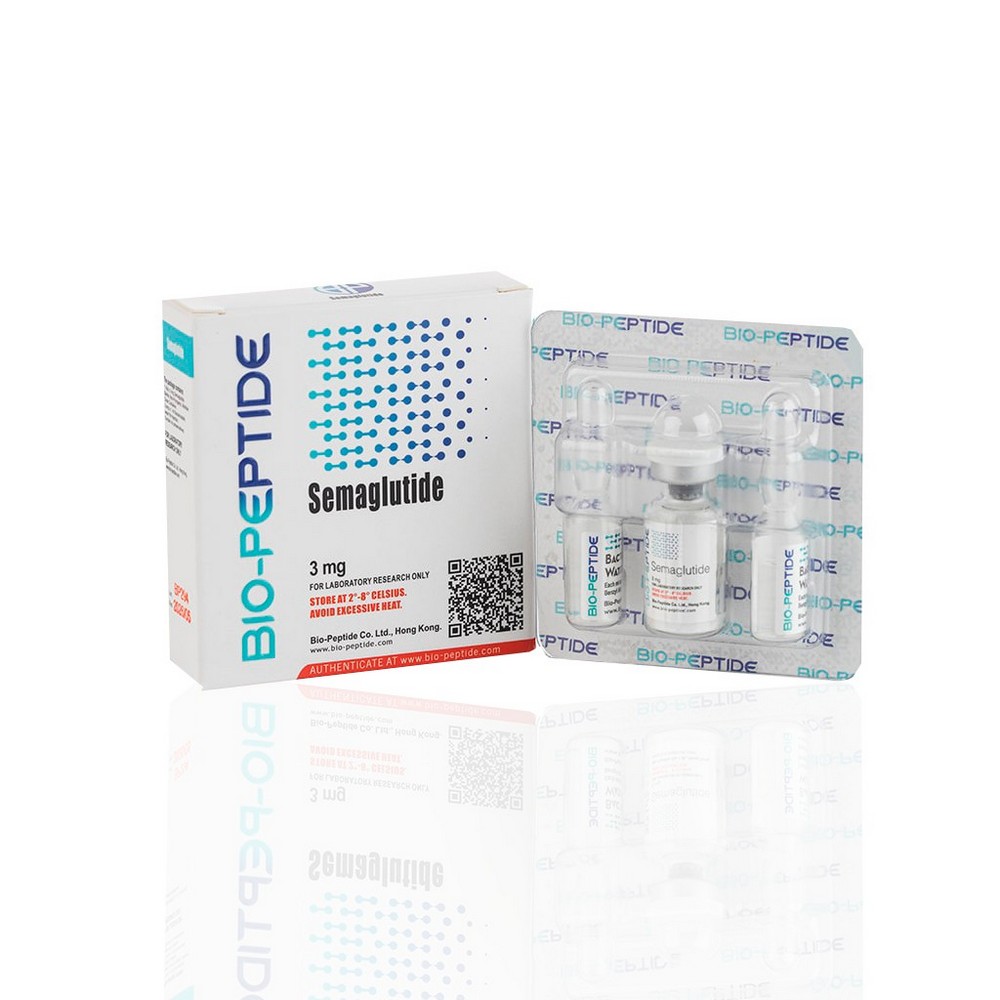
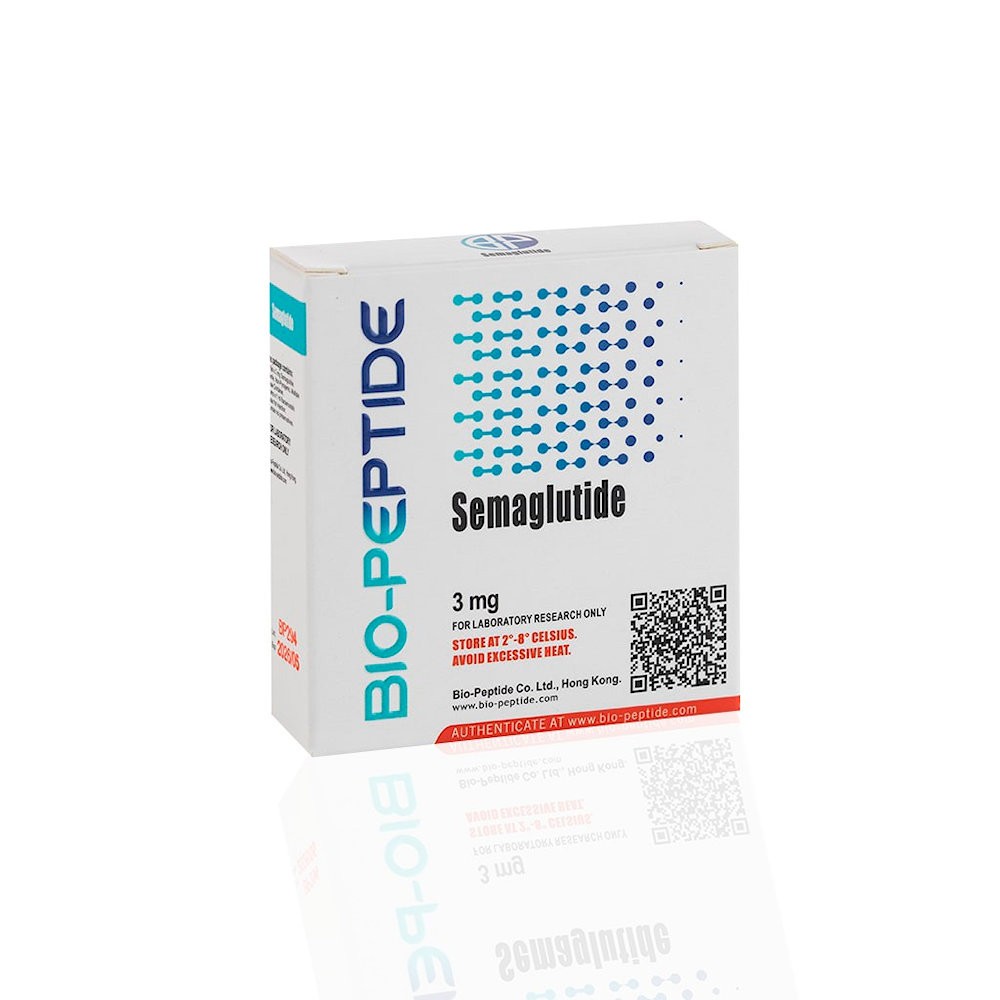
Understanding Semaglutide 3 mg Bio-Peptide
Semaglutide 3 mg Bio-Peptide is a synthetic glucagon-like peptide-1 (GLP-1) receptor agonist, which is primarily designed for the management of weight and blood sugar levels in individuals with obesity and Type 2 diabetes. The compound works by mimicking the action of natural incretin hormones, which play a vital role in glucose metabolism. By binding to GLP-1 receptors in the pancreas, Semaglutide enhances insulin secretion while suppressing glucagon secretion, subsequently leading to reduced blood glucose levels. Additionally, it promotes satiety, resulting in decreased appetite and food intake.
Key features of Semaglutide include its long half-life, which allows for once-weekly dosing, making it convenient for users. The compound has shown significant efficacy in clinical trials, providing notable weight loss and improved glycemic control. Furthermore, the use of Semaglutide has been associated with several other health benefits, such as reduced cardiovascular risk factors, making it a multifaceted tool in modern healthcare.
Various Forms of Release
Semaglutide is primarily available in an injectable form, which allows for precise dosing and absorption. The injectable solutions are typically available in pre-filled pens, designed for easy self-administration, contributing to better adherence to the treatment regimen. Additionally, it can be found in higher dosages for patients requiring more intensive management of their conditions. Currently, oral formulations of Semaglutide are being explored, showcasing the pharmaceutical industry's push towards optimizing delivery methods for improved patient compliance and outcomes.
Comparative Advantages of Semaglutide 3 mg Bio-Peptide
What sets Semaglutide 3 mg Bio-Peptide apart from other weight management and diabetes medications is its dual-action mechanism and proven effectiveness in both weight loss and glycemic control. Unlike other GLP-1 receptor agonists, Semaglutide has demonstrated superior results during clinical trials, often leading to greater percentage reductions in body weight and better HbA1c levels. Users may find this medication particularly appealing due to its versatility and the favorable side effect profile compared to other drugs in its category.
Moreover, many other medications either focus solely on weight loss or blood sugar control, whereas Semaglutide addresses both, making it an attractive option for individuals struggling with obesity and Type 2 diabetes simultaneously. The extensive research and positive outcomes associated with Semaglutide highlight its potential as a cornerstone in managing these interconnected health issues.
Long-Term Effects and Contraindications
The long-term effects of using Semaglutide 3 mg Bio-Peptide include sustained weight loss, improved blood sugar levels, and potentially reduced risks of cardiovascular diseases. However, it is essential to consider that not everyone is suitable for this medication. Semaglutide is contraindicated in pregnant women, children, and individuals with a known history of medullary thyroid carcinoma or Multiple Endocrine Neoplasia syndrome type 2. Additionally, those with severe gastrointestinal diseases may also be advised against using this medication.
Patients should consult healthcare professionals to weigh the benefits against the risks and discuss any pre-existing conditions that might limit the use of Semaglutide. Regular monitoring is also essential to ensure safety and efficacy over the treatment course, identifying any adverse effects early on.
Guidelines for Starting Semaglutide 3 mg Bio-Peptide
For those considering Semaglutide 3 mg Bio-Peptide, proper guidance is crucial for optimal results. It is advisable to initiate the treatment under the supervision of a healthcare provider who can assess individual health conditions, recommend appropriate dosing, and monitor progress. Typically, the dose is titrated gradually to minimize potential gastrointestinal side effects, allowing the body to adjust to the medication.
Additionally, combining Semaglutide with a balanced diet and regular physical activity will enhance its effectiveness. Patients are encouraged to maintain a healthy lifestyle and participate in weight management programs, as these complementary strategies can further improve weight loss outcomes and overall health. Starting with Semaglutide 3 mg Bio-Peptide could be a transformative step towards achieving better health, but it should be done thoughtfully and strategically to maximize benefits while minimizing risks.
| Features | |
| Active substance | Peptide |
| Also known as | N/A |
| Blood pressure | Can cause a reduction in blood pressure |
| Chemical name | Semaglutide |
| Dosage (medical) | 0.25 mg once weekly, increasing to 0.5 mg and up to 1 mg as tolerated and needed |
| Dosage (sports) | Not recommended for use in sports |
| Effects | Improved glycemic control, weight loss |
| Formula | C187H291N45O59 |
| Half-life | Approximately 1 week |
| Hepatotoxicity | Low risk |
| Lab Test | Blood glucose levels, HbA1c |
| Main action | Lowers blood glucose levels |
| Side effects | Nausea, vomiting, diarrhea, abdominal pain, decreased appetite |
| Storage conditions | Store in a refrigerator at 2В°C to 8В°C (36В°F to 46В°F) |
| Substance class | GLP-1 receptor agonist |
| Trade name | Ozempic, Rybelsus |
| Use in sports | None, not indicated for performance enhancement |
| Water Retention | Minimal |
| Active ingredient, mg | 3 |
| Release form | Vial |
| 1 Vial, ml | 10 |
| Vials in the package, pcs | 1 |
| Manufacturer | Bio-Peptide |