
USA Salbutamol Pharmaceutical
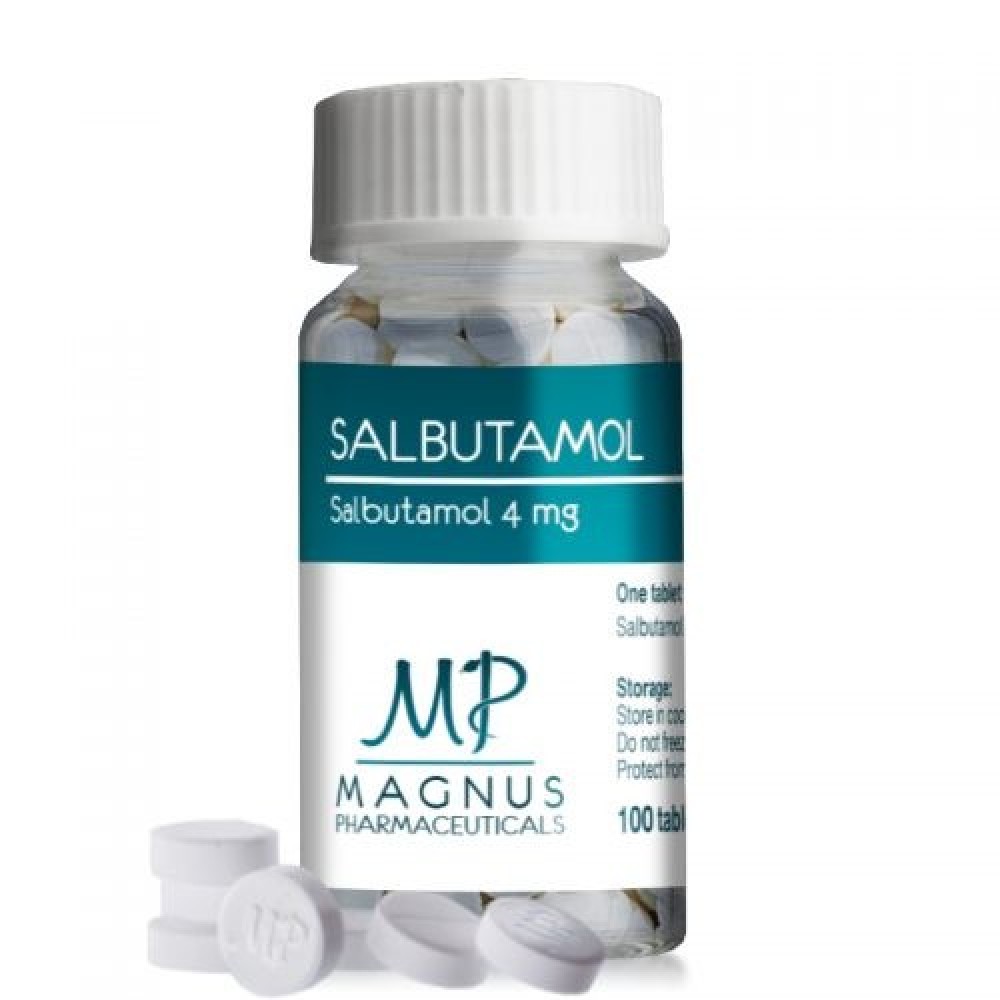
Understanding Salbutamol Pharmaceutical: Principles and Characteristics
Salbutamol Pharmaceutical is a well-known medication primarily used in the treatment of respiratory conditions such as asthma and chronic obstructive pulmonary disease (COPD). This bronchodilator works by relaxing the muscles in the airways, leading to widened air passages and improved airflow to the lungs. Its active ingredient, salbutamol, is classified as a short-acting beta-agonist, which is crucial for immediate relief from acute asthma symptoms. The primary characteristics of Salbutamol Pharmaceutical include its rapid onset of action, usually within minutes, and its duration of effect, typically lasting between four to six hours.
The formulation is designed to provide quick relief during asthma attacks or when experiencing sudden breathing difficulties. Salbutamol Pharmaceutical is also known for its relatively favorable safety profile, making it a preferred option among healthcare providers and patients alike. The medication is available in multiple forms, including inhalers, nebulizers, and oral tablets, thus catering to different patient needs and preferences. Understanding the basic principles of Salbutamol Pharmaceutical is essential for effectively managing asthma and ensuring that patients can engage in their daily activities with minimal interruptions from respiratory issues.
Available Forms of Salbutamol Pharmaceutical
Salbutamol Pharmaceutical comes in various formulations to accommodate the different needs of patients. The most common presentation is the metered-dose inhaler (MDI), which delivers a precise amount of medication directly into the lungs. This method is particularly effective for providing rapid relief during an asthma attack. Inhalers are often paired with spacer devices that enhance drug delivery, especially for younger patients or those with difficulty using the inhaler correctly.
Additionally, Salbutamol Pharmaceutical is also available as a nebulized solution, which is ideal for patients who may require a larger dose of medication or who have severe respiratory conditions. Nebulization allows for continuous drug delivery over a longer period, making it helpful during times of severe distress. For those who prefer oral administration, Salbutamol Pharmaceutical is offered in tablet form, although this is less commonly utilized for acute situations. The availability of these diverse forms ensures that all patients can find a suitable way to manage their respiratory health effectively.
Why Choose Salbutamol Pharmaceutical: Key Differences
When evaluating treatment options for asthma or COPD, the choice of medication can significantly influence the patient's quality of life. One of the main differences that set Salbutamol Pharmaceutical apart from other bronchodilators is its rapid onset and effectiveness in alleviating acute symptoms. While other classes of medications, like corticosteroids, may help reduce inflammation in the long term, Salbutamol Pharmaceutical provides immediate relief, making it an essential addition to any asthma management plan.
Unlike long-acting formulations, Salbutamol Pharmaceutical offers a quick-acting solution that can be used as needed, giving patients more control over their condition. Moreover, its safety profile allows for use in a wide range of patients, including both adults and children. Salbutamol Pharmaceutical is also less likely to cause serious side effects when used correctly, distinguishing it from some alternative treatments that might have more significant adverse effects or long-term risks. For those looking to effectively manage sudden respiratory distress, Salbutamol Pharmaceutical should be an integral part of their treatment strategy.
Long-Term Use and Considerations for Salbutamol Pharmaceutical
While Salbutamol Pharmaceutical is highly effective for relieving acute asthma symptoms, it is important to consider the long-term implications of its use. Continuous reliance on short-acting beta-agonists like Salbutamol Pharmaceutical may indicate inadequate control of asthma or COPD, necessitating a broader treatment approach. Importantly, patients should not exceed the recommended dosage, as overuse can lead to decreased effectiveness and an increased risk of side effects, including increased heart rate and anxiety.
Contraindications must also be addressed. Salbutamol Pharmaceutical may not be suitable for certain populations, such as pregnant women, without professional medical advice. Additionally, it may be unsuitable for patients with specific medical conditions, including severe heart disorders or hyperthyroidism. Individuals with known allergies to salbutamol or any components of the formulation should also avoid its use. Consult a healthcare provider for personalized advice, especially if you are a child, elderly, or have recently undergone surgery affecting the respiratory system or heart.
Practical Advice for Using Salbutamol Pharmaceutical
When starting treatment with Salbutamol Pharmaceutical, it's essential to follow specific guidelines to ensure its effectiveness while minimizing potential risks. Firstly, always read the instructions provided with your medication and adhere strictly to the dosage prescribed by your healthcare provider. Patients should familiarize themselves with the proper inhaler technique if using an MDI, as incorrect usage can diminish the medication's effectiveness.
Keep Ventolin on hand and readily accessible at all times, especially for those participating in activities that might trigger asthma symptoms, like exercising outdoors. Additionally, it is wise to monitor your symptoms and recognize when you need to seek further medical advice or adjustment to your treatment plan. Remember that Salbutamol Pharmaceutical acts as a rescue medication and should not replace controller medications designed for long-term asthma management.
In conclusion, Salbutamol Pharmaceutical serves as a vital component in the toolkit for managing respiratory conditions, thanks to its rapid action and varied forms of delivery. With proper use and an understanding of its characteristics and implications, patients can effectively harness its benefits while guarding against potential risks.
| Features | |
| Also known as | Albuterol (USAN) |
| Blood pressure | Can cause transient increases in blood pressure |
| Chemical name | (RS)-4-(2-(tert-butylamino)-1-hydroxyethyl)-2-(hydroxymethyl)phenol |
| Dosage (medical) | 2-4 mg orally or 100-200 mcg via inhalation every 4-6 hours |
| Dosage (sports) | Not applicable as salbutamol is primarily used for medical purposes |
| Effects | Relaxation of bronchial smooth muscle, increased airflow to the lungs |
| Formula | C13H21NO3 |
| Half-life | 4 to 6 hours |
| Hepatotoxicity | None reported |
| Lab Test | Detection via urine analysis for anti-doping purposes |
| Main action | Bronchodilation |
| Side effects | Tremor, headache, palpitations, rapid heart rate |
| Storage conditions | Store at room temperature away from moisture and heat |
| Substance class | Beta2-adrenergic agonist |
| Trade name | Ventolin, Proventil, Albuterol |
| Use in sports | Prohibited above certain thresholds by anti-doping agencies, used for asthma management in athletes with a therapeutic use exemption |
| Water Retention | None |
| Manufacturer | Pharmaceutical |