
USA Salbutamol 4 mg WFZ
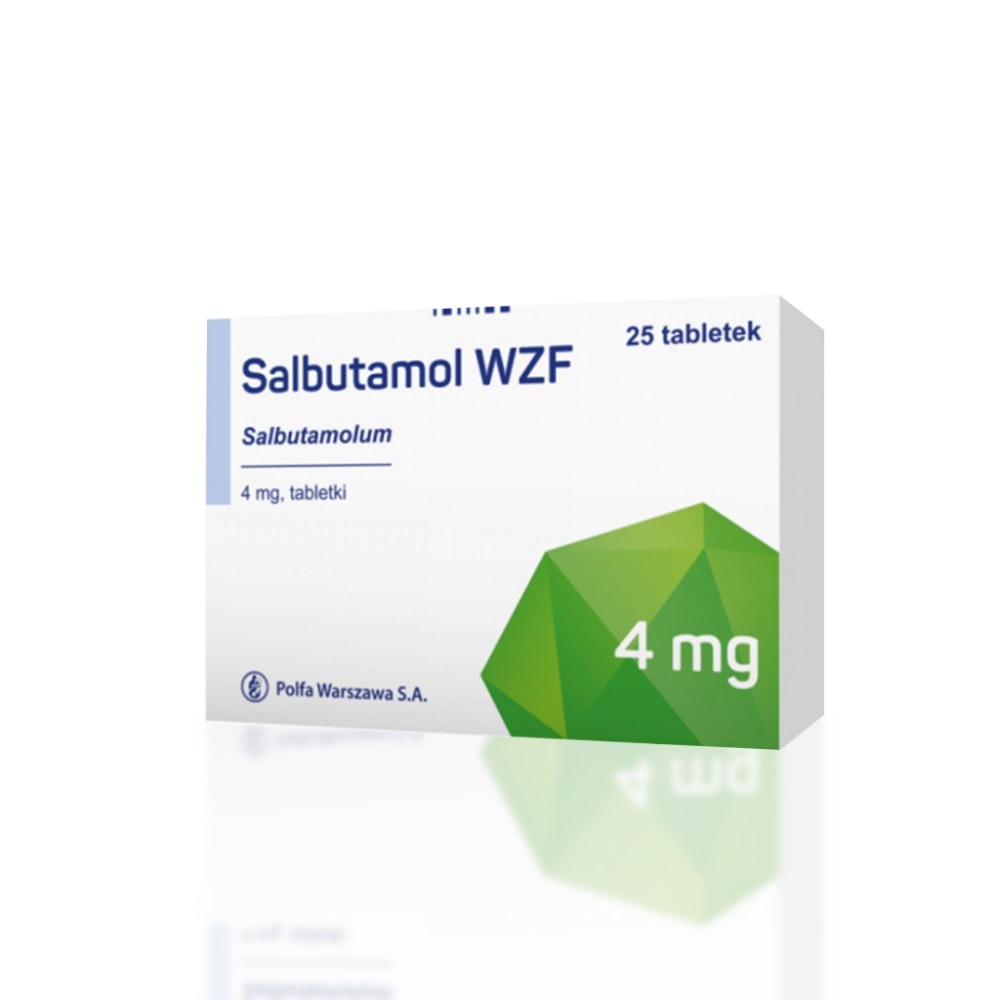
Understanding Salbutamol 4 mg WFZ: Basic Principles and Key Characteristics
Salbutamol 4 mg WFZ is a bronchodilator medication primarily used to manage and alleviate the symptoms of asthma and other respiratory conditions like chronic obstructive pulmonary disease (COPD). Its active ingredient, salbutamol, works by relaxing the muscles in the airways, allowing for easier breathing. This medication is part of a class known as beta-2 adrenergic agonists, which stimulate specific receptors in the lungs, leading to muscle relaxation and dilation of the bronchial tubes.
The key characteristics of Salbutamol 4 mg WFZ include its fast-acting nature, with effects typically felt within minutes. It is often considered a rescue medication, meaning it can provide quick relief from sudden asthma symptoms or bronchospasms. Salbutamol administered in this form offers a predictable and controlled dosage, ensuring patients receive an effective amount of medication when needed.
Additionally, Salbutamol 4 mg WFZ is well-tolerated by many patients, with the main side effects being minor and including tremors, increased heart rate, or nausea. Its design aims to deliver maximum respiratory relief with minimal adverse reactions, making it a preferred choice for many dealing with asthma or COPD challenges.
Forms and Presentations of Salbutamol
Salbutamol 4 mg WFZ is typically available in tablet form, which is convenient for oral administration. Each tablet contains 4 mg of the active ingredient, presenting a reliable dosing option for patients. In addition to oral tablets, Salbutamol may also be provided in various forms such as nebulizers or metered-dose inhalers. This range of delivery methods ensures that patients have flexibility in choosing a form that best suits their lifestyle and medical needs.
Each presentation is designed to cater to different preferences, whether patients prefer taking medication orally or through inhalation for immediate effects. While the oral tablets can take a bit longer to work compared to inhalers, they offer a consistent method for individuals who might struggle with inhalation techniques. This multifaceted approach to administration makes Salbutamol accessible to a wider audience.
Why Choose Salbutamol 4 mg WFZ Over Other Approaches
When considering treatment options for asthma or COPD, the choice of medication can significantly impact patients' quality of life. Salbutamol 4 mg WFZ offers distinct advantages over some other bronchodilators and treatment methods. Firstly, its rapid onset of action is often unparalleled by other oral medications, which can take longer to produce effects. Users will find that the convenience of taking a tablet for symptomatic relief can be particularly beneficial during bouts of acute respiratory distress.
Moreover, the safety profile of Salbutamol is well-established, with extensive clinical evidence supporting its efficacy and tolerability. While other options may offer similar benefits, they might also come with a higher risk of side effects or less favorable dosing regimens. In comparison, Salbutamol provides a good balance between efficacy and safety, making it a preferred choice among healthcare providers and patients alike.
Furthermore, as part of a comprehensive asthma management plan, Salbutamol can be an integral tool in achieving better overall respiratory health. It enables individuals to maintain their daily activities without the fear of sudden asthma attacks, thereby enhancing their overall ability to engage in exercises and social interactions.
Long-term Use and Considerations for Salbutamol 4 mg WFZ
While Salbutamol 4 mg WFZ is highly effective for short-term relief, understanding its long-term effects and potential contraindications is crucial for safe use. Some individuals may find that prolonged use can lead to tolerance, meaning they may require higher doses over time to achieve the same relief. Therefore, it is essential to work closely with a healthcare provider to monitor usage and adjust treatment as necessary.
Certain populations may need to avoid Salbutamol or use it cautiously. Pregnant women, particularly in the later stages, should discuss its use with their healthcare provider, as safety during pregnancy is not fully established. Children may be prescribed Salbutamol but under careful supervision and in adjusted dosages. Additionally, individuals with certain cardiovascular conditions or hypertension should consider possible interactions and side effects that may arise from using Salbutamol. Always consult a healthcare professional before starting or changing any treatment plan.
Practical Advice for Choosing and Using Salbutamol 4 mg WFZ
When considering Salbutamol 4 mg WFZ as a treatment option, it is essential to communicate openly with your healthcare provider. They can help determine if this medication is suitable for your specific condition based on your medical history and current health status. It’s advisable to keep track of symptoms and response to the medication to share with your healthcare provider during follow-up visits.
To get started with Salbutamol, patients should adhere strictly to the prescribed dosage, whether it’s taken as a tablet or through inhalation. Following the instructions ensures maximum efficacy while minimizing potential side effects. Moreover, patients should be educated about recognizing the signs that may indicate their asthma or COPD is worsening, ensuring they seek timely medical attention if needed.
Additionally, understanding how and when to use Salbutamol 4 mg WFZ can empower patients to take control of their condition. Keeping a rescue inhaler handy during physical activities or travel can prevent unexpected symptoms. Overall, being well-informed about Salbutamol's properties and recommended practices plays a vital role in effectively managing respiratory health.
| Features | |
| Also known as | Clen |
| Blood pressure | Increases |
| Chemical name | (RS)-1-(4-Amino-3,5-dichlorophenyl)-2-(tert-butylamino)ethanol |
| Dosage (medical) | 0.02-0.03 mg twice daily |
| Dosage (sports) | 60-120 micrograms per day |
| Effects | Increased aerobic capacity, stimulation of the central nervous system, enhanced oxygen transportation |
| Formula | C12H18Cl2N2O |
| Half-life | 36-48 hours |
| Hepatotoxicity | Low |
| Lab Test | Specific immunoassays for clenbuterol detection |
| Main action | Bronchodilator |
| Side effects | Tremors, insomnia, sweating, increased blood pressure, muscle cramps |
| Storage conditions | Store at room temperature away from moisture and heat |
| Substance class | ОІ2 agonist |
| Trade name | Dilaterol, Spiropent, Ventipulmin |
| Use in sports | Performance enhancement, especially in endurance sports |
| Water Retention | No |