
USA Roaccutane 10 Roche
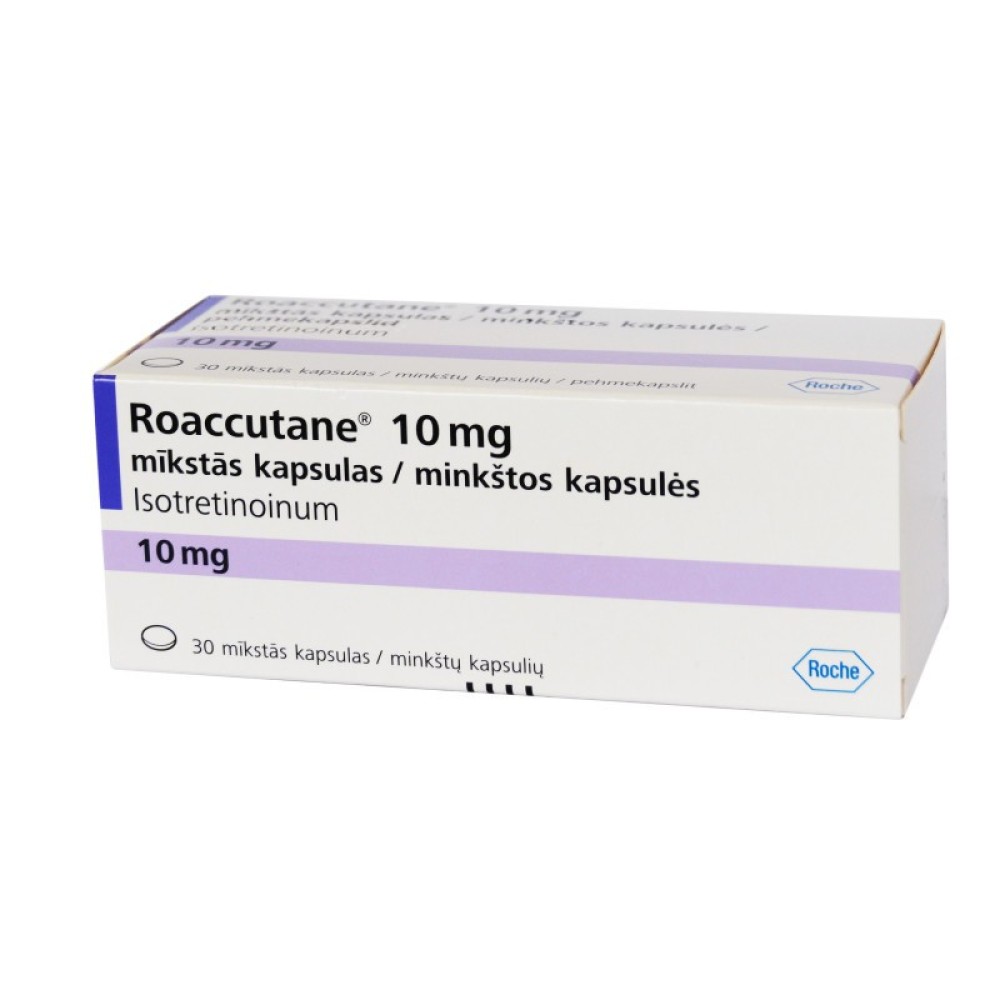
Understanding Roaccutane 10 Roche: Key Characteristics and Mechanism of Action
Roaccutane 10 Roche, a well-known treatment for severe acne, is a powerful medication that contains isotretinoin as its active ingredient. Isotretinoin is a retinoid, a class of compounds related to vitamin A. This medication works by significantly reducing the production of sebum, which is the oily substance produced by sebaceous glands in the skin. When sebum production is excessively high, it can lead to clogged pores, acne outbreaks, and inflammation. Roaccutane 10 Roche targets these processes by shrinking the size of sebaceous glands, resulting in less oil on the skin surface, which helps prevent acne formation.
In addition to its effects on sebum production, Roaccutane 10 Roche also possesses anti-inflammatory properties and promotes skin cell turnover. This drug helps to reduce the number of acne lesions and prevent future outbreaks by decreasing the development of comedones (clogged pores) and promoting healing of existing acne. Patients typically receive great relief from severe acne symptoms after a full course of treatment, lasting several months, while understanding that improvements can vary based on individual responses to the medication.
Available Forms and Presentation of Roaccutane 10 Roche
Roaccutane 10 Roche is primarily available in the form of soft gelatin capsules. Each capsule contains 10 mg of isotretinoin along with other inactive ingredients that assist in the medication's absorption and stability. The soft capsule format makes it easy for patients to swallow, differentiating it from some other acne treatments that might come in a tablet form. The standard dosing schedule depends on the severity of the acne and the recommendation of a healthcare provider, who will tailor the dosage based on individual patient needs.
Patients are instructed to take Roaccutane 10 Roche with food to enhance absorption, as isotretinoin is better absorbed when ingested with meals containing fats. Adherence to the prescribed treatment regimen is critical for optimum results, and regular follow-up consultations with healthcare professionals are often recommended to monitor progress and adjust dosages as necessary.
Why Choose Roaccutane 10 Roche Over Other Treatments?
When considering acne treatments, Roaccutane 10 Roche is unique due to its powerful and proven mechanism of action compared to topical medications and antibiotics that only treat surface-level symptoms. Topical treatments may have limited effectiveness in severe cases like cystic acne, while antibiotics can lead to resistance over time. Roaccutane 10 Roche, on the other hand, targets the root causes of acne – excess oil production and inflammation – providing long-lasting results for many patients.
Furthermore, unlike oral antibiotics, which typically require long-term use and may result in undesirable side effects, Roaccutane is usually prescribed for a finite course of treatment, lasting about 4 to 6 months. The goal of treatment with Roaccutane 10 Roche is to achieve sustainable acne clearance, making it a preferred choice for patients struggling with severe acne that has not responded to other forms of treatment.
Long-Term Effects and Contraindications of Roaccutane 10 Roche
Long-term effects of using Roaccutane 10 Roche can include significant improvements in one’s skin condition, with many patients experiencing a dramatic reduction in acne lesions and scarring after completing the therapy. However, it is important for patients to be aware of potential side effects, which may include dry skin, lips, and eyes, as well as the possibility of mood changes.
Notably, Roaccutane 10 Roche has specific contraindications. It is not suitable for pregnant women due to the high risk of serious birth defects if taken during pregnancy. Women of childbearing potential must adhere to strict contraceptive measures and participate in regular pregnancy testing before, during, and after treatment. Additionally, individuals with certain medical conditions, such as liver disease, hyperlipidemia, or a history of depression, should consult their healthcare providers to determine if this medication is appropriate. Children and teenagers may require special consideration before starting this treatment.
Practical Advice for Using Roaccutane 10 Roche
When considering the initiation of Roaccutane 10 Roche treatment, it is essential for patients to first consult a qualified healthcare provider who can assess the severity of the acne and discuss potential benefits and risks associated with the medication. One should not self-prescribe Roaccutane due to its potency and possible side effects. Preparation for treatment may involve discussing lifestyle changes, including skincare routines to minimize irritation, and understanding the importance of adhering strictly to dosage recommendations.
Patients should be prepared for regular follow-up appointments to monitor their response to the medication and to manage any side effects that may occur. Staying informed about potential side effects, including the importance of managing dry skin and eyes, is vital for a successful experience with Roaccutane 10 Roche.
Furthermore, maintaining a commitment to contraception is crucial for women who can become pregnant, ensuring that the treatment proceeds without complications. Overall, by following a healthcare provider's guidelines and maintaining open communication throughout the treatment course, individuals can maximize the benefits of Roaccutane 10 Roche in their journey toward clearer skin.
| Features | |
| Acne | No |
| Active Half-Life | 20-22 hours |
| Active substance | Isotretinoin |
| Also known as | 13-cis-Retinoic acid |
| Aromatization | No |
| Blood pressure | No significant effect |
| Chemical name | (2Z,4E,6E,8E)-3,7-dimethyl-9-(2,6,6-trimethylcyclohexen-1-yl)nona-2,4,6,8-tetraenoic acid |
| Classification | Dermatotropic drug |
| Dosage | 10-40 mg/day |
| Dosage (medical) | Typically 0.5 to 1 mg per kg of body weight per day, taken in two divided doses |
| Dosage (sports) | Not applicable |
| Effects | Reduces acne, decreases sebum production, promotes skin renewal |
| Formula | C20H28O2 |
| Half-life | 10-20 hours |
| HBR | No |
| Hepatotoxicity | Yes |
| Lab Test | Liver function tests, lipid profiles, pregnancy tests |
| Main action | Reduces sebum production, corrects abnormal keratinization, has anti-inflammatory properties |
| Side effects | Dry skin, lips and eyes, itching, nosebleeds, muscle aches, sensitivity to sunlight, decreased night vision, potentially severe birth defects if taken during pregnancy |
| Storage conditions | Store at controlled room temperature (15-30В°C), protect from light |
| Substance class | Retinoid |
| Trade name | Accutane, Roaccutane, Claravis, others |
| Use in sports | None |
| WAREHOUSE | International Warehouse 2 |
| Water Retention | No |
| Manufacturer | Roche |